Manta Alley
Protected Area
KK Pulau Kelapa
Why dive here
With 203+ marine species recorded in the area - including manta rays, mobula rays (devil rays), pygmy seahorses, sea turtles and sperm whales - Manta Alley offers some of Komodo's richest reef diving. Water ranges 28-30°C, warmest April, May, November.
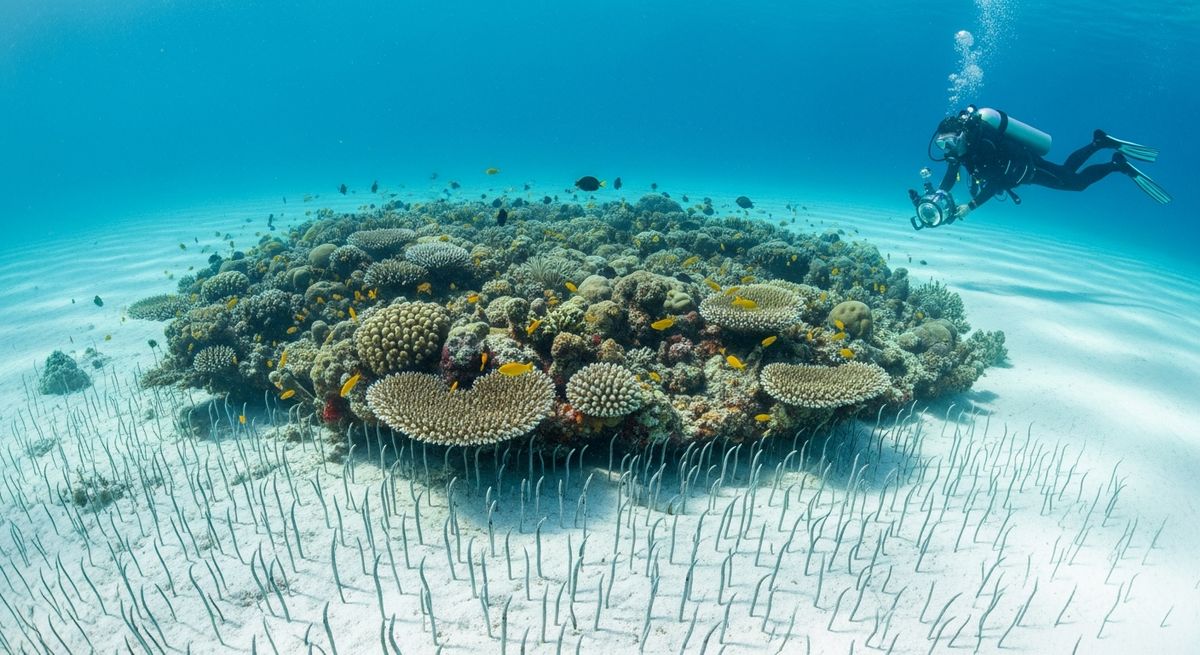
Manta Alley, down south in Komodo, often delivers exactly what the name suggests. We’ve seen mantas cruising right in the shallows, sometimes just 5-6 meters deep, especially when the current picks up and brings in their food. It’s a rocky slope covered in coral patches, and the resident triplefins - Randall’s, Blackbelly, Redfin - are always entertaining if the big stuff isn’t around. Visibility averages 15m, which is decent enough to spot green turtles gliding past. Expect cooler water here; it's the Indian Ocean influence, so pack a thicker wetsuit.
Nearest Dive Centres to Manta Alley
Dive shops near Manta Alley
Batara Baruna
Neptune Scuba Diving Komodo
Scuba Junkie Komodo
KALIMAYA DIVE RESORT
Reviews for Manta Alley
Conditions
Ocean conditions, forecast and tides for Manta Alley
Manta Alley Ocean Conditions
Monthly averages for Manta Alley, sourced from Open-Meteo marine data + Copernicus Marine (EU) - nearest station: Open-Meteo marine grid (-8.39, 119.8) (79km away)
October Averages
Sea Temperature
30°C
85°F · Range: 28.1–30.9°C
Current Speed
4.24 cm/s
Direction: NW (315°)
Chlorophyll-a
0.175 mg/m³
Clear water
Salinity
34.03 PSU
Based on 4 years of monitoring data · Data sources: Open-Meteo marine data + Copernicus Marine (EU)
Plan & book
Ways to dive Komodo, from day trips to liveaboards.
Day trips & courses
via GetYourGuideGuided dives, courses and snorkel trips with instant booking.
Find dive trips in KomodoPlaces to stay
via Booking.comHotels and dive resorts near Komodo.
Search stays in KomodoDive insurance
Most travel insurance excludes or limits scuba. Check what you need before you go.
Dive insurance explainedPartner links: we may earn a commission if you book, at no extra cost to you. How we make money
Where to Stay near Manta Alley
Prices from Booking.com. We may earn a commission at no extra cost to you.