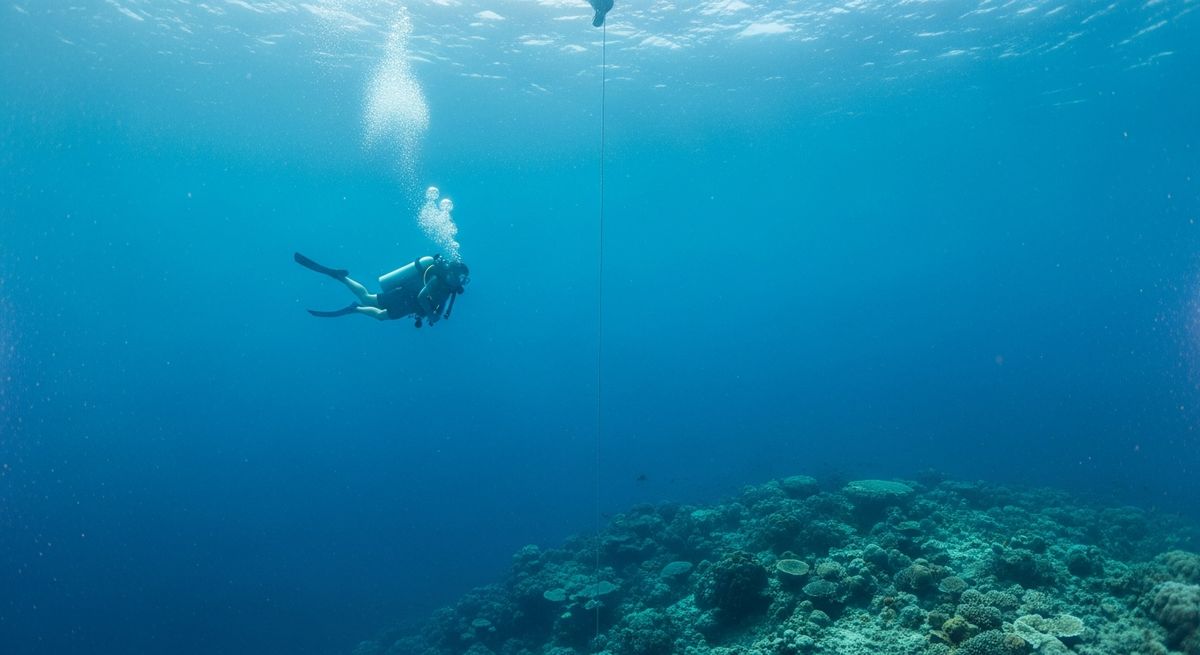
Manta Point dive site
Protected Area
Komodo
Why dive here
With 203+ marine species recorded in the area - including manta rays, mobula rays (devil rays), pygmy seahorses, sea turtles and sperm whales - Manta Point dive site offers some of Komodo's richest diving. Water ranges 28-30°C, warmest April, May, November.
Manta Point in Komodo. Now, this is one of those spots that truly delivers on its name. We love it because it’s exactly what it says on the tin: mantas. Lots of them. You usually drop in with a bit of current, a gentle drift really, and within minutes you're hanging out watching these gentle giants circle the cleaning stations. The water often has a milky appearance from the plankton, which is what draws the mantas in, so don't expect 30-meter visibility. But honestly, who cares when you've got three or four reef mantas gliding past, sometimes so close you can hear the whoosh of water as they turn? It’s pure theatre. We’ve spent whole dives just kneeling on the sandy bottom, maybe 10 to 15 metres down, completely mesmerized. Look out for the black-blotched wrasse and various angelfish flitting around the coral bommies while you wait for the main event. It’s a site for anyone who appreciates big animal encounters and isn’t fussed about pristine wide-angle reef shots. Just enjoy the show.
Nearest Dive Centres to Manta Point dive site
Dive shops near Manta Point dive site
Neptune Scuba Diving Komodo
Batara Baruna
Scuba Junkie Komodo
Komodo Aggressor
Signature Scuba Flores
Wet Frog Divers
Reviews for Manta Point dive site
Conditions
Ocean conditions, forecast and tides for Manta Point dive site
Manta Point dive site Ocean Conditions
Monthly averages for Manta Point dive site, sourced from Open-Meteo marine data + Copernicus Marine (EU) - nearest station: Open-Meteo marine grid (-8.39, 119.8) (79km away)
October Averages
Sea Temperature
30°C
85°F · Range: 28.1–30.9°C
Current Speed
4.24 cm/s
Direction: NW (315°)
Chlorophyll-a
0.175 mg/m³
Clear water
Salinity
34.03 PSU
Based on 4 years of monitoring data · Data sources: Open-Meteo marine data + Copernicus Marine (EU)
Plan & book
Ways to dive Komodo, from day trips to liveaboards.
Day trips & courses
via GetYourGuideGuided dives, courses and snorkel trips with instant booking.
Find dive trips in KomodoPlaces to stay
via Booking.comHotels and dive resorts near Komodo.
Search stays in KomodoDive insurance
Most travel insurance excludes or limits scuba. Check what you need before you go.
Dive insurance explainedPartner links: we may earn a commission if you book, at no extra cost to you. How we make money
Where to Stay near Manta Point dive site
Prices from Booking.com. We may earn a commission at no extra cost to you.