Bajo
Protected Area
Kepulauan Togean
Why dive here
With 238+ marine species recorded in the area - including blacktip reef sharks, giant moray eels, pygmy seahorses, seahorses and sperm whales - Bajo offers some of Sulawesi's richest diving. Water ranges 29-31°C, warmest June, October, November.
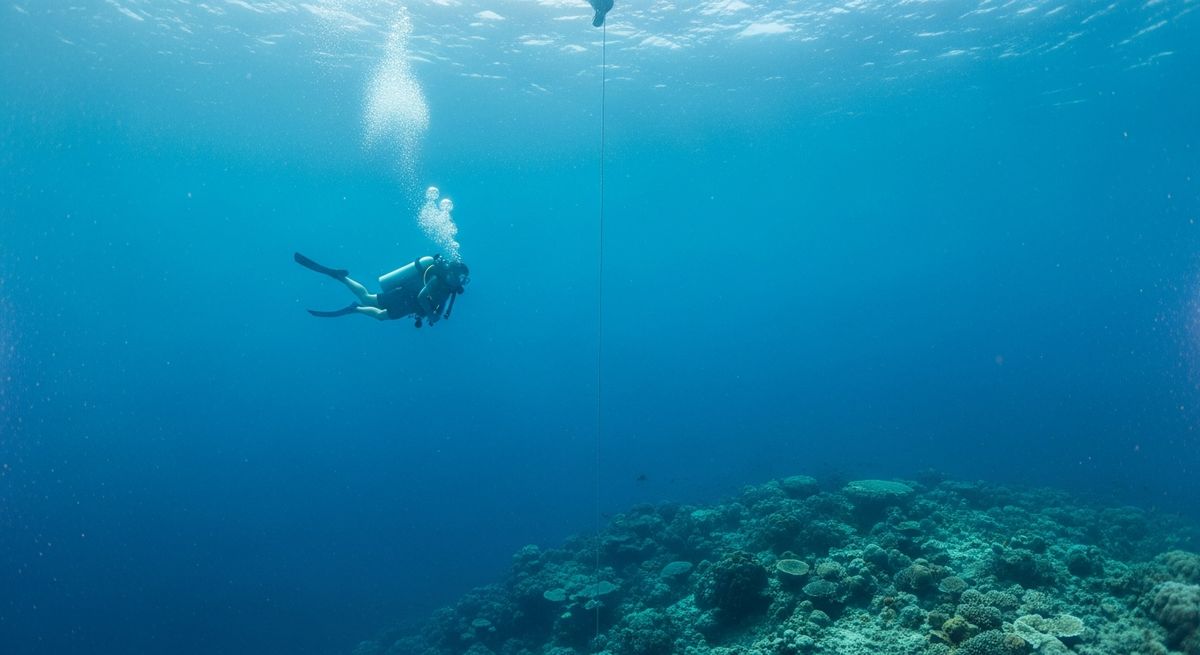
Bajo, a quiet site near the bustling port, often gets overlooked. That's a shame, because it delivers a surprisingly vibrant house reef dive. We've dropped in here more than once for a quick afternoon dip, finding a gentle slope covered in thickets of staghorn coral. Look closely among the branches; we’ve spotted tiny cowries tucked away, along with the tell-tale mantles of boring and small giant clams. It’s a comfortable dive, usually with minimal current, making it a good choice for a relaxed outing or when you just want to get wet without a long boat ride.
Nearest Dive Centres to Bajo
Dive shops near Bajo
Kadiriri Paradise
Black Marlin
Kogutu
reconnect dive centre
Reviews for Bajo
Conditions
Ocean conditions, forecast and tides for Bajo
Bajo Ocean Conditions
Monthly averages for Bajo, sourced from Open-Meteo marine data + Copernicus Marine (EU) - nearest station: Open-Meteo marine grid (1.5, 124.75) (0km away)
October Averages
Sea Temperature
30°C
87°F · Range: 29.6–31.2°C
Current Speed
1 cm/s
Direction: W (270°)
Chlorophyll-a
0.099 mg/m³
Very clear (oligotrophic)
Salinity
33.17 PSU
Based on 4 years of monitoring data · Data sources: Open-Meteo marine data + Copernicus Marine (EU)
Plan & book
Ways to dive Sulawesi, from day trips to liveaboards.
Day trips & courses
via GetYourGuideGuided dives, courses and snorkel trips with instant booking.
Find dive trips in SulawesiPlaces to stay
via Booking.comHotels and dive resorts near Sulawesi.
Search stays in SulawesiDive insurance
Most travel insurance excludes or limits scuba. Check what you need before you go.
Dive insurance explainedPartner links: we may earn a commission if you book, at no extra cost to you. How we make money
Where to Stay near Bajo
Prices from Booking.com. We may earn a commission at no extra cost to you.