Celah Celah
Protected Area
KK Kota Manado
Why dive here
With 238+ marine species recorded in the area - including blacktip reef sharks, giant moray eels, pygmy seahorses, seahorses and sperm whales - Celah Celah offers some of Sulawesi's richest wall diving. Water ranges 29-31°C, warmest June, October, November.
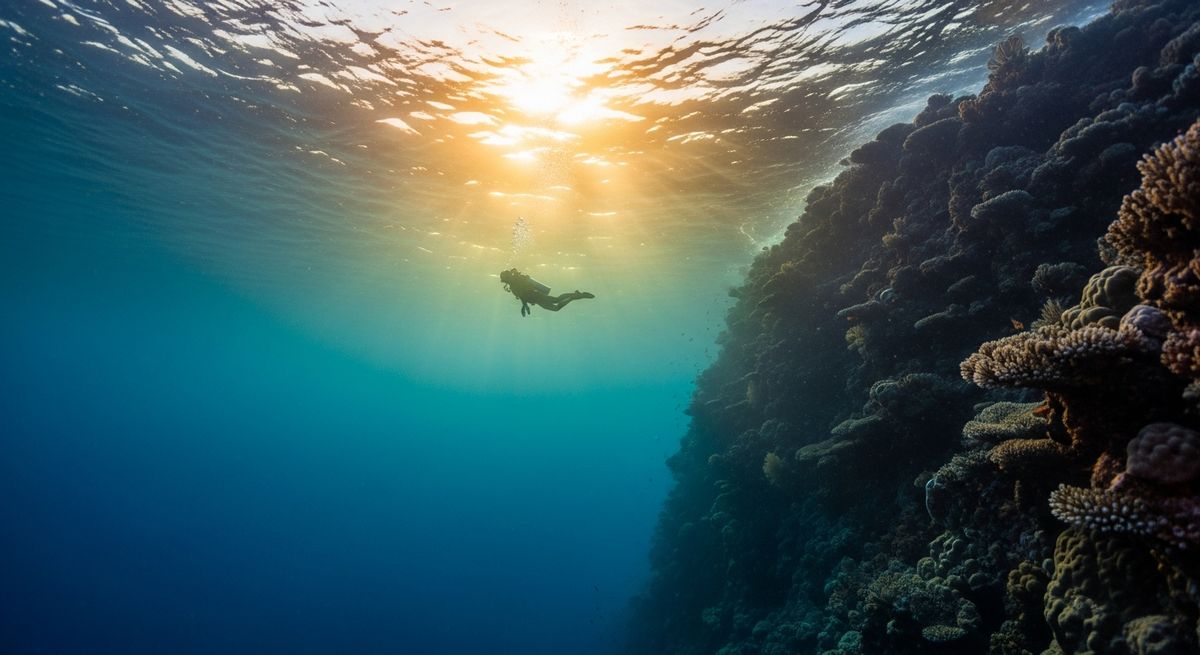
Celah Celah, on Bunaken's south side, often delivers a delightful drift. The island's curve makes for calm surface conditions, but expect a steady push below, perfect for beginners looking to try a relaxed current ride. The site’s name, "crack" in Indonesian, hints at the reef's topography, full of nooks and crannies to peer into. We've often spotted white tip reef sharks tucked away, along with the usual cast of reef fish like fusiliers and snapper schooling overhead. It’s a great spot to ease into Sulawesi's famous drift diving.
Typical Celah Celah Dive Profile
Illustrative profile based on site depth and type. Actual dive profiles vary - always follow your dive computer and training.
Safety Notes
Depth of 21m - Advanced Open Water certification recommended.
Always perform a 3-minute safety stop at 5m before surfacing.
Nearest Dive Centres to Celah Celah
Dive shops near Celah Celah
Bunaken Oasis Dive Resort
Panorama Dive Center
Fish In Air Bunaken
3WILL Bunaken
Siladen Resort & Spa
Celebes Divers
Reviews for Celah Celah
Conditions
Ocean conditions, forecast and tides for Celah Celah
Celah Celah Ocean Conditions
Monthly averages for Celah Celah, sourced from Open-Meteo marine data + Copernicus Marine (EU) - nearest station: Open-Meteo marine grid (1.5, 124.75) (0km away)
October Averages
Sea Temperature
30°C
87°F · Range: 29.6–31.2°C
Current Speed
1 cm/s
Direction: W (270°)
Chlorophyll-a
0.099 mg/m³
Very clear (oligotrophic)
Salinity
33.17 PSU
Based on 4 years of monitoring data · Data sources: Open-Meteo marine data + Copernicus Marine (EU)
Plan & book
Ways to dive Sulawesi, from day trips to liveaboards.
Day trips & courses
via GetYourGuideGuided dives, courses and snorkel trips with instant booking.
Find dive trips in SulawesiPlaces to stay
via Booking.comHotels and dive resorts near Sulawesi.
Search stays in SulawesiDive insurance
Most travel insurance excludes or limits scuba. Check what you need before you go.
Dive insurance explainedPartner links: we may earn a commission if you book, at no extra cost to you. How we make money
Where to Stay near Celah Celah
Prices from Booking.com. We may earn a commission at no extra cost to you.