Ruta Cuarenta
Why dive here
With 238+ marine species recorded in the area - including blacktip reef sharks, giant moray eels, pygmy seahorses, seahorses and sperm whales - Ruta Cuarenta offers some of Sulawesi's richest reef diving. Water ranges 29-31°C, warmest June, October, November.
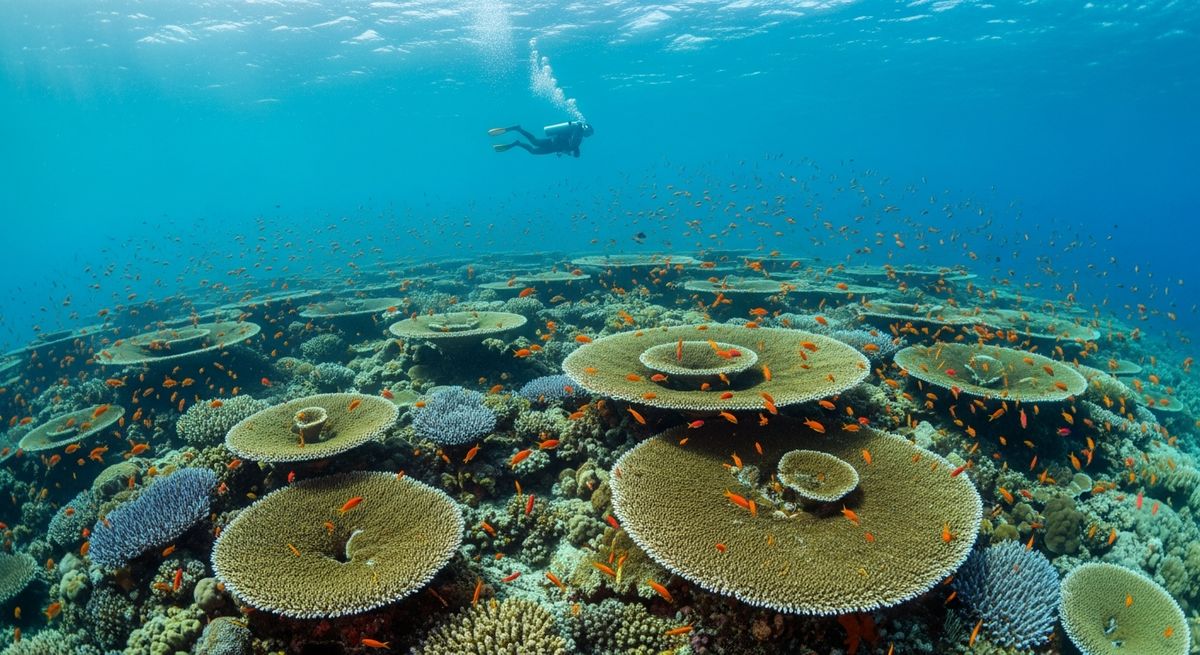
Ruta Cuarenta offers a nice mix of habitats, starting with a reef slope that gently eases into a proper wall. We usually find it’s a good spot for keeping an eye out for the smaller stuff – nudibranchs are often tucked away in crevices, and if you’re patient, those little sexy dancer shrimp often make an appearance. After the wall, the profile transitions to a sandy bottom that eventually becomes a sloping reef again, making for an easy drift. It's a relaxed dive, good for photographers keen on macro subjects, or anyone just wanting a chill exploration without strong currents.
Nearest Dive Centres to Ruta Cuarenta
Dive shops near Ruta Cuarenta
View all dive centres in SulawesiReviews for Ruta Cuarenta
Conditions
Ocean conditions, forecast and tides for Ruta Cuarenta
Ruta Cuarenta Ocean Conditions
Monthly averages for Ruta Cuarenta, sourced from Open-Meteo marine data + Copernicus Marine (EU) - nearest station: Open-Meteo marine grid (1.5, 124.75) (0km away)
October Averages
Sea Temperature
30°C
87°F · Range: 29.6–31.2°C
Current Speed
1 cm/s
Direction: W (270°)
Chlorophyll-a
0.099 mg/m³
Very clear (oligotrophic)
Salinity
33.17 PSU
Based on 4 years of monitoring data · Data sources: Open-Meteo marine data + Copernicus Marine (EU)
Plan & book
Ways to dive Sulawesi, from day trips to liveaboards.
Day trips & courses
via GetYourGuideGuided dives, courses and snorkel trips with instant booking.
Find dive trips in SulawesiPlaces to stay
via Booking.comHotels and dive resorts near Sulawesi.
Search stays in SulawesiDive insurance
Most travel insurance excludes or limits scuba. Check what you need before you go.
Dive insurance explainedPartner links: we may earn a commission if you book, at no extra cost to you. How we make money
Where to Stay near Ruta Cuarenta
Prices from Booking.com. We may earn a commission at no extra cost to you.