
Diving in Malaysia
Why dive here
Malaysia offers rich diving, with 370+ marine species recorded in its waters - including barracuda, blacktip reef sharks, blue-spotted stingrays, eagle rays and giant moray eels. Water ranges 28-31°C, warmest May, June, October.
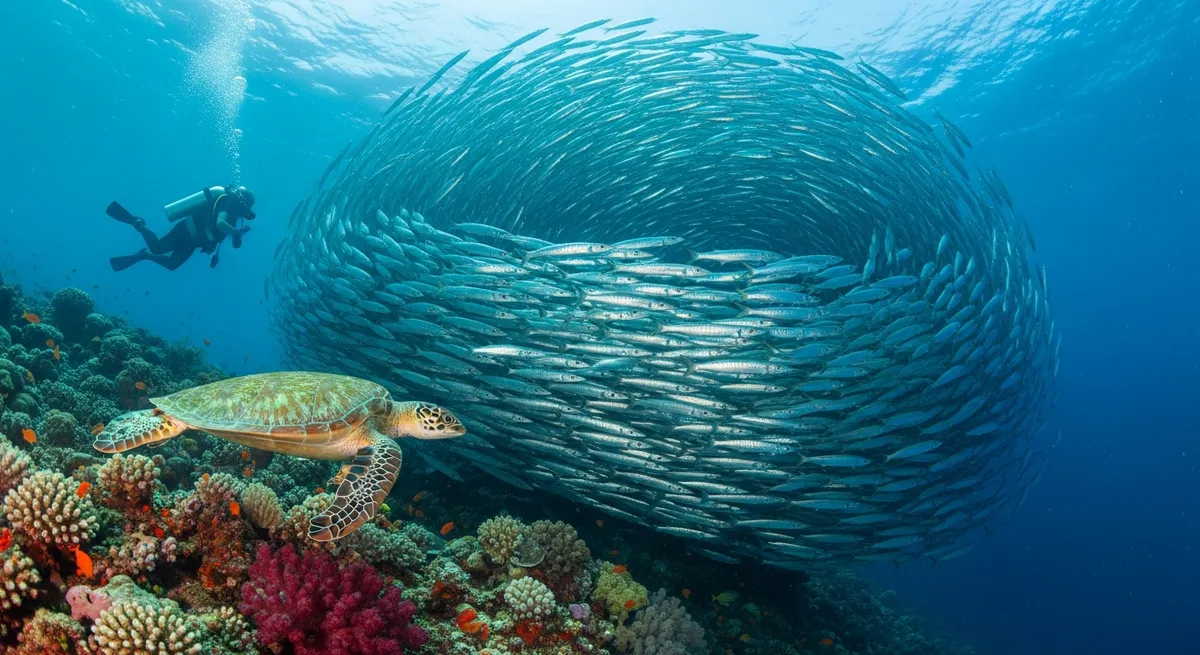
Malaysia, oh Malaysia. For a country that sometimes gets overshadowed by its neighbours, it consistently punches above its weight in the dive stakes. Most divers immediately think of Sipadan, and for good reason-that barracuda tornado and the sheer number of turtles are truly something else, a real bucket-lister. But we think it’s Layang-Layang that really captures the imagination with its hammerheads patrolling the deep walls, a completely different beast. Beyond these giants, there's a huge variety. Over on the Peninsular side, places like the Perhentians and Redang offer a more relaxed, accessible dive holiday, especially good for getting those initial fin kicks in. You’ll find a mix of macro life and some decent reef dives, a gentle introduction to Southeast Asian diving. The best window generally runs from March to October when the seas are calmer, particularly for the east coast islands, though Sabah’s diving can be more year-round. We’d suggest focusing on Sabah for the big stuff and Peninsular Malaysia for a laid-back, colourful reef experience.
Malaysia Dive Regions Map
Malaysia Dive Regions
7 diving areas in Malaysia
Layang-Layang
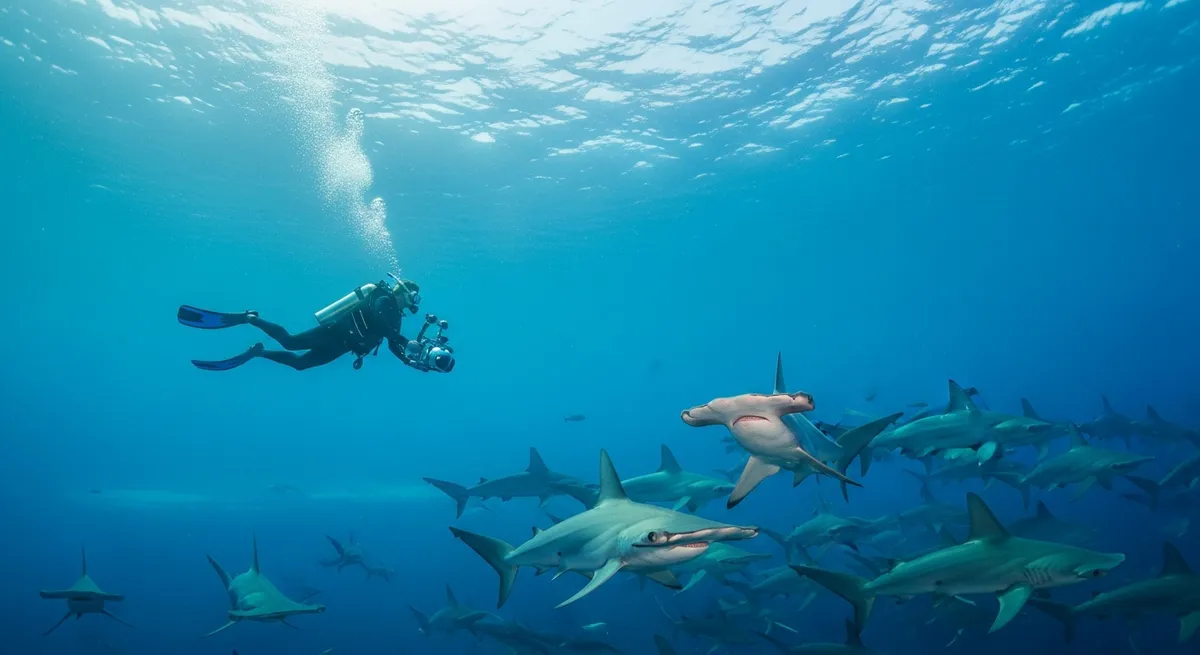
A remote oceanic atoll accessible only March to September. Schooling hammerhead sharks and pristine walls.
Mabul & Kapalai
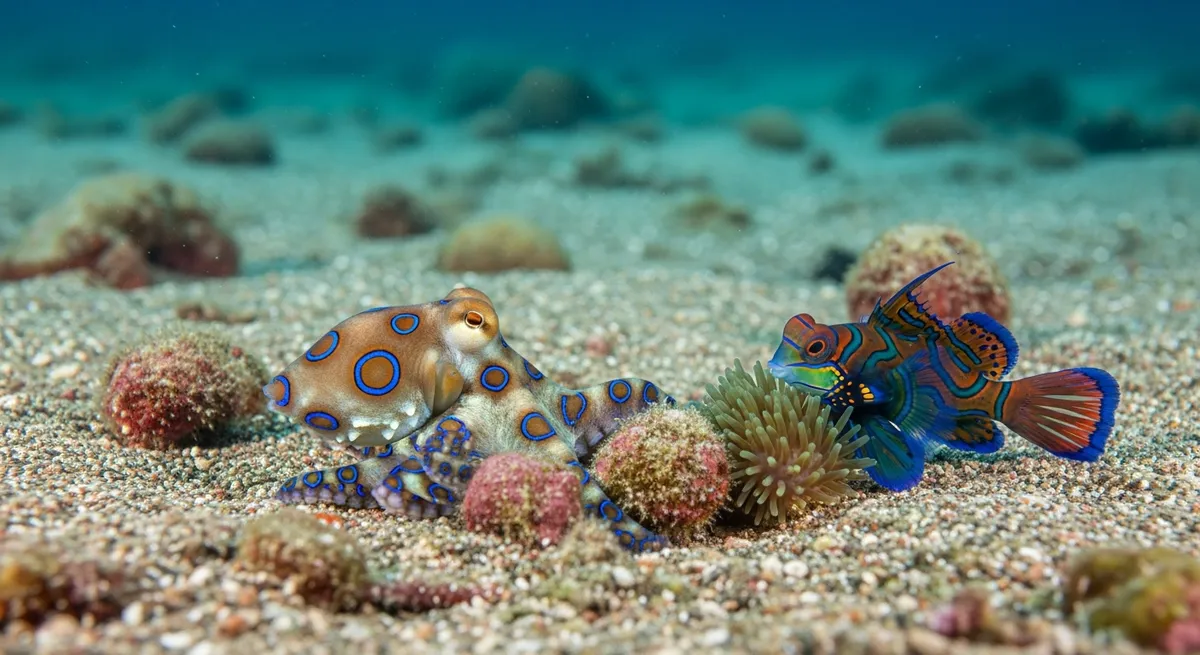
Mabul and Kapalai, just off the coast of Sabah, are where we send divers who appreciate the little things. It's truly a macro photographer's dream. Forget grand, sweeping reefscapes, this is all about getting up close and personal. You'll spend your dives finning slowly over sandy bottoms, poking into seagrass beds, and scrutinizing every bit of debris, searching for the extraordinary. Our favourite spots are the artificial reefs and jetties around Mabul, where the muck diving is legendary. We’ve found pygmy gobies tiny enough to fit on your pinky nail, and once spotted a flamboyant cuttlefish putting on a full colour display. The Blue-lined Surgeonfish and Peacock Wrasse are everywhere, providing constant pops of colour. Kapalai offers some shallower reef diving too, but for us, the real draw is Mabul’s bizarre cast of critters. Conditions are generally calm, making it perfect for lingering over a particularly interesting nudibranch. Just remember, it can get busy here, especially during peak season, so consider an early morning dive to beat the crowds.
Perhentian Islands
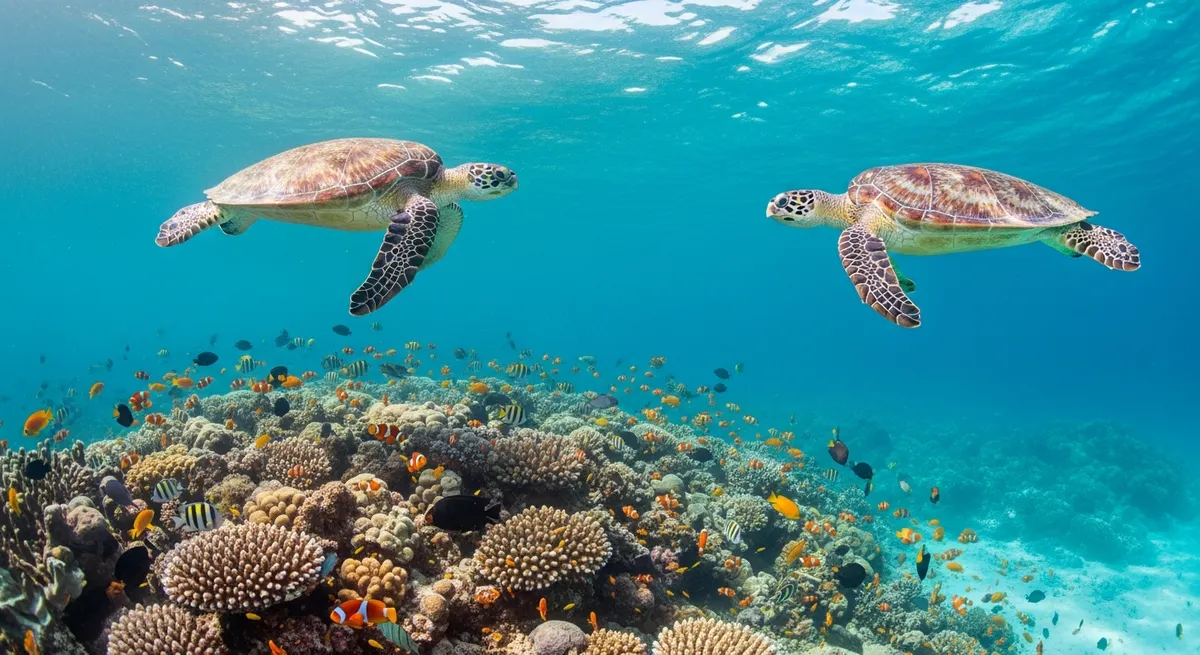
The Perhentians are a classic Southeast Asian stop, relaxed and easy-going, perfect for a no-fuss dive trip. We love the easy access to the fringing reefs, usually just a short boat ride from the beach. You’ll find some lovely reef patches here, with plenty of staghorn corals providing shelter for schools of fusiliers and rabbitfish. Look out for blacktip reef sharks cruising the shallows, especially around dawn or dusk, and the green turtles are always a joy to swim alongside. Our pick for a quiet morning dive is often the Pinnacles, where the topography adds a nice change of pace from the shallower reef flats. Visibility can vary, particularly after heavy rain, but generally, it’s a pleasant 10-20 metres. We'd suggest aiming for late spring through summer, when the seas are calmest and the plankton blooms haven't peaked too much. It's a great spot for newer divers, with gentle currents on most sites, though some of the deeper pinnacles offer a bit more for intermediate divers to explore. Don’t expect ripping drifts, but do expect a laid-back vibe and some very approachable marine life.
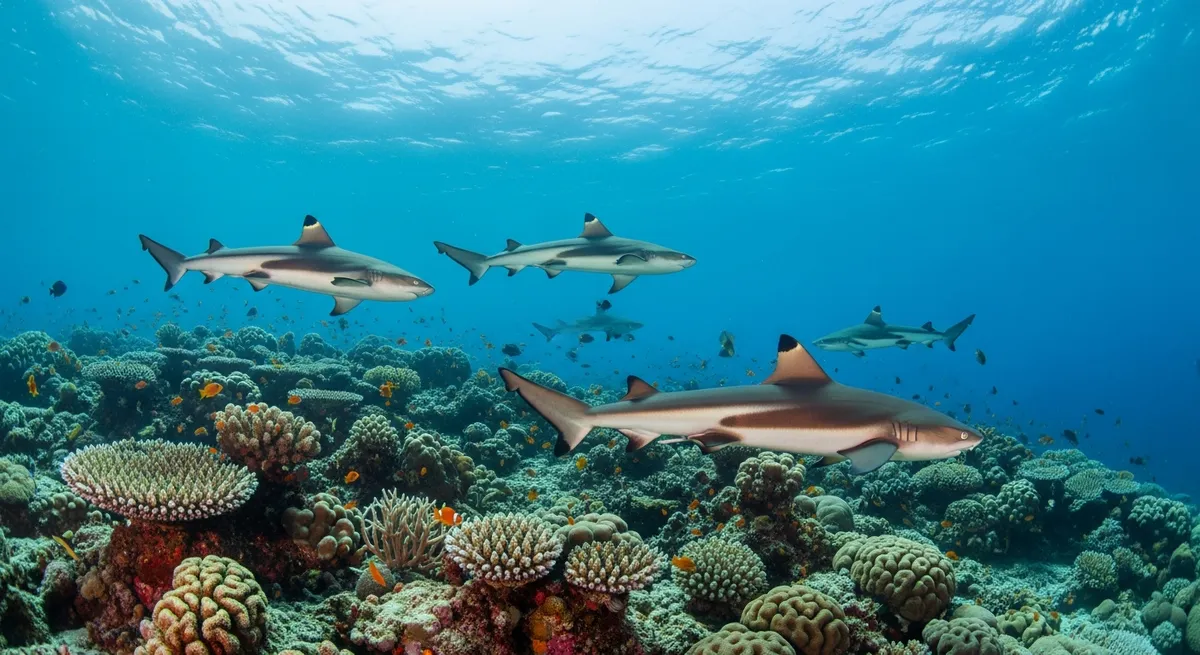
Redang Island
We love Redang. It’s got a classic island vibe, not overly developed, and the diving holds up year after year. Forget the "world-class" hype some places get; Redang is just solid, reliable Southeast Asian diving with a laid-back pace. Our favourite spots are often the less-frequented bommies and outer reefs, where you get those big, healthy colonies of Montipora and staghorn corals. We’ve drifted past schools of pickhandle barracuda here, sunlight glinting off their scales, and spent what felt like hours watching the frantic, territorial dances of wavyline rockskippers on rocky outcrops. Look closely and you’ll find Smith’s priapium fish tucked into crevices, their bizarre forms a constant source of amusement. Visibility is generally excellent, easily 20 metres on a good day, making it a dream for new divers. The currents are usually mild, though we’ve had some decent pushes around the deeper pinnacles. If you're there in late season, keep an eye out for whale sharks; they're not a daily occurrence, but we’ve been lucky enough to spot them cruising past. We’d suggest going just outside the peak school holiday periods to avoid the biggest crowds, but even then, it’s a friendly buzz rather than a madhouse. It's affordable, it's fun, and it's genuinely good diving.
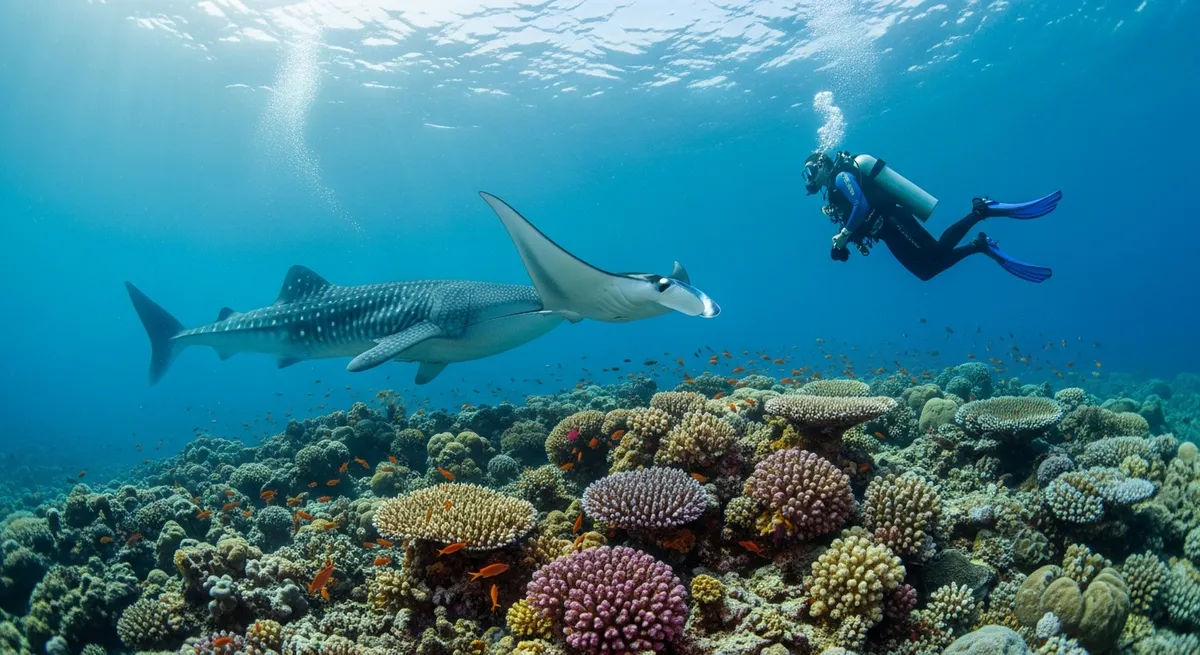
Sabah Coast
Beyond Sipadan, Sabah offers diverse diving from Kota Kinabalu's artificial reefs to Semporna's island-hopping reef dives and the remote Turtle Islands.
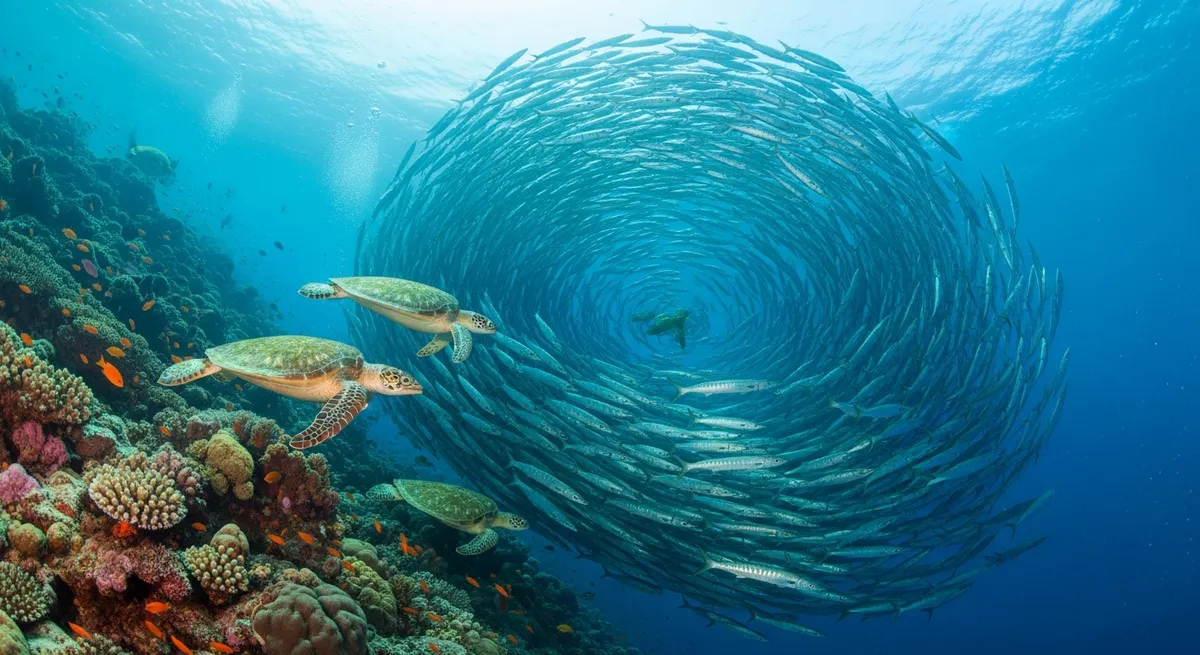
Sipadan
Sipadan. The name itself brings a smile to our faces, usually followed by a wistful sigh. This isn't just another dive trip, it's a pilgrimage for many. We've been lucky enough to dunk here a few times, and every single one has been memorable. The sheer drop-offs are what make it, plunging hundreds of metres into the Celebes Sea. You'll spend most of your dives peering into the blue, waiting for the magic. And it always comes. The barracuda tornadoes are no myth; we’ve been completely enveloped, a swirling wall of silver. Turtles are everywhere, often so many you have to gently fin around them. We’ve seen them sleeping in crevices, cruising the wall, even having a good scratch on the coral. Our favourite is the resident population of bigfin reef squid; their colour changes are mesmerising. Currents here can be ripping, so stay close to your guide. It’s a drift diver’s dream, but keep an eye on your no-decompression limits. Early morning dives often offer the best chances for pelagics, before the crowds arrive. Try to get on the first boat out, it makes a real difference. We always find the later dives get a bit more crowded, especially around Barracuda Point. Expect to be spoiled. This place is special, and we genuinely love it.
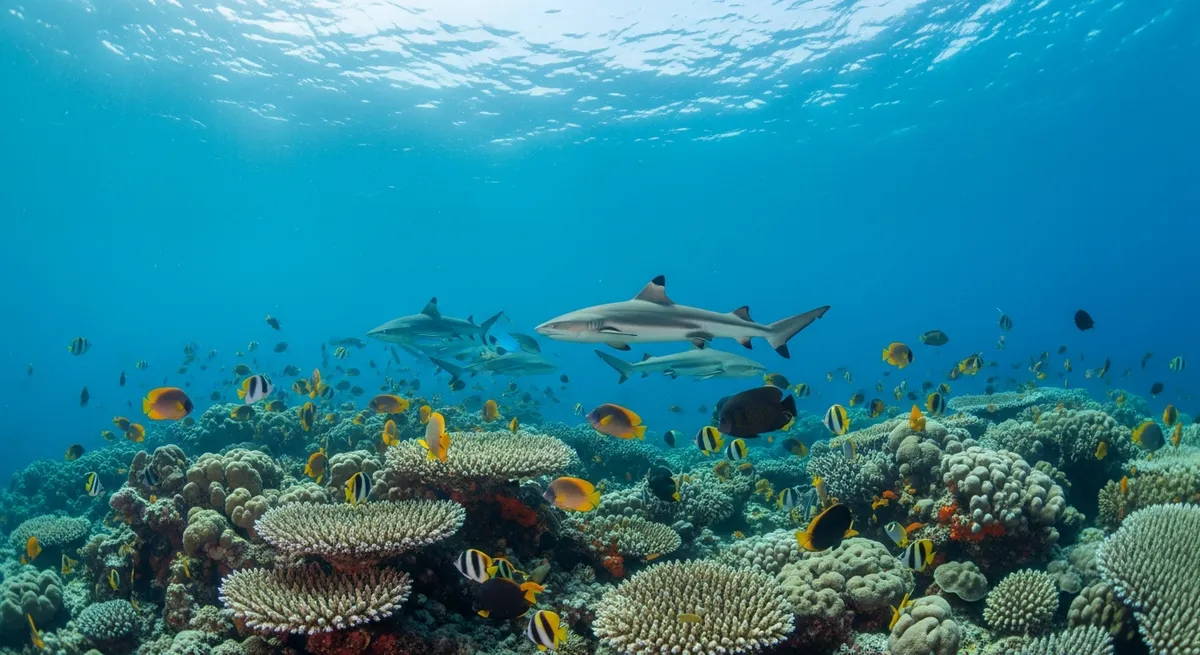
Tioman Island
Tioman is our go-to for a quick escape when we’re in Southeast Asia, especially because it’s duty-free. The diving here is comfortable, great for beginners, but still interesting enough for experienced divers looking for relaxed multi-day trips. We love navigating around those massive granite boulders, which feel like an underwater playground. Keep an eye out for blacktip reef sharks cruising over the shallower reefs, and if you hit the right season, usually September to November, you might just get lucky with a whale shark encounter, though we’ve only seen one once, and it was fleeting. The reefs are healthy, with plenty of bluestone kambingan and colourful golden-girdled coralfish flitting about. We’ve had some fantastic dives at Chebeh, where the rock formations are particularly dramatic, and we’ve spotted bullet mackerel schooling in the currents there. Visibility is usually pretty good, hovering around 15-20 metres on average, though it can drop a bit after heavy rain. We’d suggest focusing on the morning dives; the light is better, and the currents tend to be calmer. It’s a solid choice for a laid-back dive trip, where the biggest decision you’ll make is which local curry to have for dinner.
Ocean Wildlife in Malaysia
370 species recorded in Malaysia
Malaysia Visa Requirements
Check if you need a visa to dive in Malaysia
Plan & book
Ways to dive Malaysia, from day trips to liveaboards.
Day trips & courses
via GetYourGuideGuided dives, courses and snorkel trips with instant booking.
Find dive trips in MalaysiaPlaces to stay
via Booking.comHotels and dive resorts near Malaysia.
Search stays in MalaysiaDive insurance
Most travel insurance excludes or limits scuba. Check what you need before you go.
Dive insurance explainedPartner links: we may earn a commission if you book, at no extra cost to you. How we make money