Diving in Redang Island
Why dive here
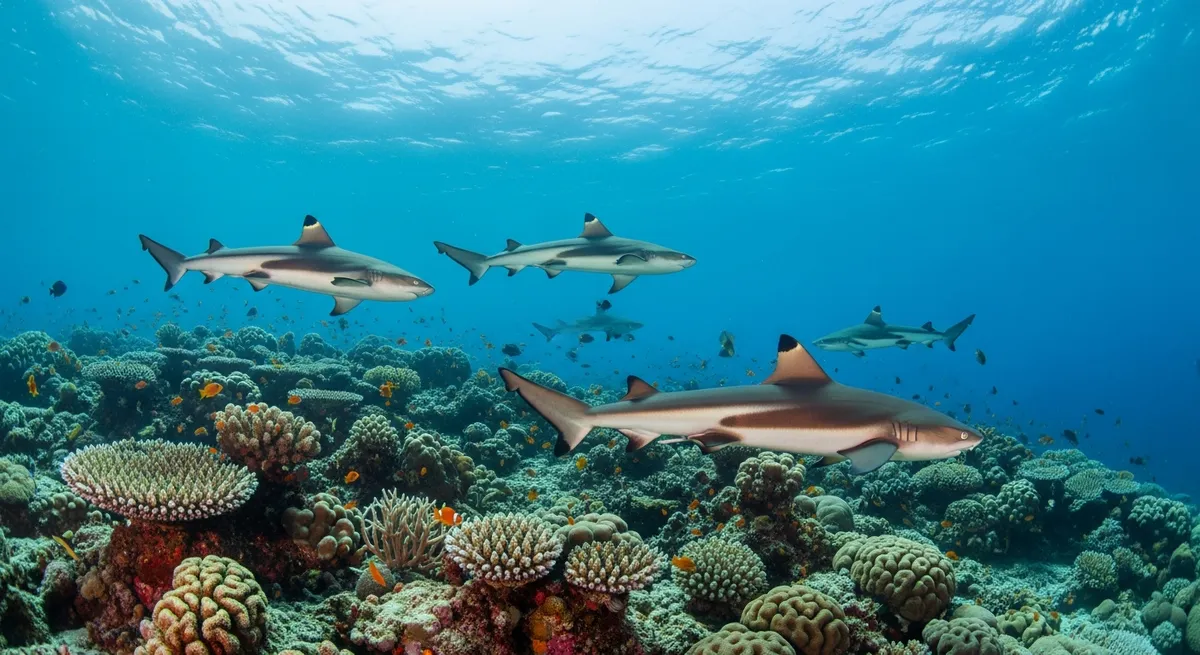
Redang Island offers some of Malaysia's richest diving, with 143+ marine species recorded in the area - including sea turtles and whale sharks. Water ranges 28-31°C, warmest April, May, October.
We love Redang. It’s got a classic island vibe, not overly developed, and the diving holds up year after year. Forget the "world-class" hype some places get; Redang is just solid, reliable Southeast Asian diving with a laid-back pace. Our favourite spots are often the less-frequented bommies and outer reefs, where you get those big, healthy colonies of Montipora and staghorn corals. We’ve drifted past schools of pickhandle barracuda here, sunlight glinting off their scales, and spent what felt like hours watching the frantic, territorial dances of wavyline rockskippers on rocky outcrops. Look closely and you’ll find Smith’s priapium fish tucked into crevices, their bizarre forms a constant source of amusement. Visibility is generally excellent, easily 20 metres on a good day, making it a dream for new divers. The currents are usually mild, though we’ve had some decent pushes around the deeper pinnacles. If you're there in late season, keep an eye out for whale sharks; they're not a daily occurrence, but we’ve been lucky enough to spot them cruising past. We’d suggest going just outside the peak school holiday periods to avoid the biggest crowds, but even then, it’s a friendly buzz rather than a madhouse. It's affordable, it's fun, and it's genuinely good diving.
Redang Island Dive Site Map
Dive sites and dive centres in Redang Island
Redang Island Dive Sites
38 dive sites in Redang Island
Amazing Grace
Amazing Grace offers a gentle drift along a sloping reef, suitable for less experienced divers. We often spot green turtles here, munching on soft corals. Keep an eye on the blue – whale sharks are an occasional, thrilling visitor during migration season. It’s a relaxed dive, good for extended bottom time and photography.
ARISTAIOS
The Aristaios wreck is a real character, a shallow site that always delivers something interesting. This 138-meter motor vessel went down in 1973 after a leak, grounding itself right there at 9 meters. It’s perfect for a long, relaxed dive, especially if you’re into exploring nooks and crannies without worrying about bottom time. We love finning slowly along the deck, picking out details of the superstructure. The masts are still clearly defined, reaching up towards the surface, and they're home to schools of fusiliers so thick they almost block the sun. Look closely into the shadowed holds, and you’ll often spot batfish schooling, sometimes a grumpy stonefish, or a moray eel peeking out. Visibility here can vary, but we’ve had some truly stunning dives when it's settled, the light filtering down onto the rusted metal. It’s a site that feels alive, not just a historical relic. We’d suggest going early in the morning to get the best light and fewer other divers.
Batu Tokong Kamudi
Batu Tokong Kamudi sits off Redang’s coast, offering divers a chance to explore a slightly less frequented spot. We typically find schools of fusiliers here, often accompanied by blacktip reef sharks cruising the deeper sections. It’s a good choice for divers looking for a peaceful afternoon drift with decent visibility and a chance at pelagic encounters away from the busier sites.
Bina Marine 32
Bina Marine 32 isn’t just some random pile of metal; it’s a dive with a story. This old barge, sitting upright at 25 metres, feels like it was put there for us divers. We love how the deck is still largely intact, allowing for some genuinely atmospheric swim-throughs, especially on a sunny day when the light shafts cut through the gloom. It’s got that slightly spooky, 'ghost ship' vibe, without being overly dramatic. What really sells Bina Marine 32 for us is the life that’s colonised it. You'll often find a decent-sized school of batfish circling the mast, almost like guardians. Look closely at the hull and you'll spot plenty of nudibranchs, often some of the more colourful varieties, like the *Hypselodoris bullockii*. We’ve also had some fantastic encounters with green turtles here, sometimes just resting on the deck, seemingly unfazed by our bubbles. The visibility is usually pretty good, but we’d suggest an early morning dive to catch the best light and avoid any potential boat traffic from other operators later in the day. It’s a site that suits anyone comfortable with a little depth and keen to explore a proper wreck, rather than just drift over coral.
Coral Garden
Coral Garden, off Redang, offers exactly what its name implies: a gentle slope covered in various hard and soft corals. It's a relaxed dive, ideal for those getting comfortable in the water or enjoying a slower pace. While we haven't logged whale sharks here ourselves, the occasional sighting is reported. Look out for reef sharks and a decent variety of smaller reef fish amongst the coral bommies.
Five Sisters
The Five Sisters dive site on Redang is a reliable spot for an easy dive. It’s mostly a gentle slope, good for newer divers or those looking for a relaxed time. While we've seen plenty of reef fish and nudibranchs, the real draw here is the chance of a whale shark passing through, though that's always a lottery. It's a nice easygoing dive, a good way to start your day.
Gua Rajawali
Gua Rajawali offers a simple cave dive experience off Redang. You'll find a series of small, swim-through caverns here, giving you that overhead environment without going too deep. It’s a good spot for newer divers looking to get a feel for overhead environments in a controlled, relatively shallow setting, often with some resident reef fish darting about in the shadows.
HATSUTAKA (POSSIBLY)
Diving the Hatsutaka in Redang isn’t about ticking off a species list. It’s about history, cold steel, and the sheer scale of the thing. We love a good wreck, and this Japanese minelayer, sunk by a US submarine, delivers on the drama. You drop onto the deck at around 27 meters, and the sheer length of it – almost 100 meters – is immediately apparent. The structure is largely intact, with various compartments and holds you can fin past, imagining the crew on board back in 1944. There’s a real somber quiet to this dive, especially when you consider the 200-plus souls who went down with it. That said, life has thoroughly reclaimed the Hatsutaka. Look for the schooling fusiliers that swirl around the mast, often so thick they dim the ambient light. We’ve seen plenty of groupers tucked into the shadowed sections, and the occasional turtle glides by, seemingly unfazed by the wreck’s past. This is a dive for the more experienced, those comfortable with deeper profiles and interested in exploring a significant piece of wartime history, rather than just a quick look at corals. We’d suggest going early in the morning to beat any potential crowds and to get the best visibility before the day heats up.
HOCK HAI LEE
Hock Hai Lee is one of our favourite Redang wrecks, a cargo carrier that’s been down since 1991. The boat is fairly intact, lying on its starboard side at around 15 metres. We love dropping down onto the deck, which is now a riot of cup corals, nudibranchs, and schools of yellowtail snappers. The hold is open and easy to penetrate, a real playground for moray eels and lionfish. We’d suggest exploring the bow first, then making your way along the length of the vessel, keeping an eye out for batfish hanging around the mast. The wheelhouse is a bit of a squeeze but worth checking out if you’re comfortable with tight spaces. Visibility here can sometimes be a bit murky, especially after heavy rain, but even then, the wreck’s silhouette against the greenish light is quite dramatic. It’s an accessible wreck for most open water divers, offering plenty to see without needing to go too deep or navigate strong currents.
KETAMA
Ketama is a gentle old girl, and we’re quite fond of her. This 92-meter cargo vessel, built in 1949, went down in a typhoon in 1975 carrying cement. It’s a shallow dive, maxing out at seven meters, which makes it perfect for a long, relaxed exploration, especially for those newer to wreck diving. Even after all these years, you can still make out the superstructure, the hull, and some of the cargo holds. We’ve spent many a dive poking around, imagining the ship's last moments. The visibility here can be decent, usually 10 to 15 meters, allowing light to filter through, illuminating the schools of yellowtail snapper that swirl around the deck. Look closely and you’ll spot resident lionfish tucked into crevices and the occasional turtle grazing on algae. It’s a really accessible piece of maritime history, not a deep dark imposing wreck, but a living reef that tells a story. We’d suggest going in the morning; the light is softer and brings out the colours of the corals starting to grow on the metal.
LAT DA
Lat Da is our pick for a proper wreck dive in Redang, sitting pretty upright at 50 metres. It’s a carrier vessel, built in the Netherlands back in '55, and she went down in '83 during some heavy weather on a run from Singapore. You can really feel that history when you’re down there; it’s a big girl, over 70 metres long, and the sheer scale of her is impressive. The wreck itself is mostly intact, offering some interesting penetration points if you’re appropriately trained and equipped. We’d suggest a sidemount configuration for tighter spots inside. Outside, you’ll find the deck has become home to plenty of schooling fusiliers and yellowback snappers, often swirling so thick they dim the ambient light. Keep an eye out for resident groupers peering out from shadowed compartments. This dive is definitely for experienced wreck enthusiasts comfortable with deeper profiles and potentially strong currents, which can pick up around the site, particularly on tide changes. It’s a good idea to time your descent for slack water if you want a more relaxed exploration.
Maju Laut
Maju Laut offers a different flavour of diving in Redang, focusing on a carrier vessel resting upright in about 9 metres of water. It's a relaxed dive, perfectly suited for those looking to explore a compact wreck without deep-diving stress. We find the structure itself quite interesting; the hull is largely intact, providing a sense of its original purpose, and you can swim through various sections where the metal has peeled away. Schools of snappers often congregate around the superstructure, and the encrusting corals provide homes for nudibranchs and small crabs if you take your time to look closely. It’s a good spot for a second dive or for divers getting comfortable with wreck exploration.
Show all 38 dive sites in Redang Island
- MEISUN G7
- Moonraker
- NANSHIN MARU
- NICHIEI MARU (POSSIBLY)
- Pulau Nyireh
- Pulau Tenggol Shore
- Rajawali Reef
- Setia Budi
- SETIA MEGA
- Sungai Kuantan
- SURYA NAWA 2
- Tanjung Api
- Tanjung Gemuk
- Tanjung Pasir
- TATSU MARU (POSSIBLY)
- Teluk Air Tawar
- TG 90476TS
- THAI PORE 11
- THIDA NAVEE
- Tokong Timur
- TOTSUTORI MARU
- TRF 942
- Turtle Point
- TYCHONG
- YTC 30
- YTC M5
Redang Island Dive Centres
4 dive shops and operators in Redang Island
Ocean Wildlife in Redang Island
143 species recorded in Redang Island
Redang Island Daylight & Sunrise/Sunset
Sunrise and sunset times for Redang Island, calculated from coordinates
Today - Sunday 11 October
Sunrise
05:52
Sunset
17:54
Daylight
12h 2m
Golden Hour
17:26
First light (dawn) at 05:31 · Last light (dusk) at 18:15
Monthly Averages
| Month | Sunrise | Sunset | Daylight |
|---|---|---|---|
| Jan | 06:19 | 18:12 | 11h 53m |
| Feb | 06:21 | 18:20 | 11h 58m |
| Mar | 06:13 | 18:18 | 12h 5m |
| Apr | 06:00 | 18:13 | 12h 13m |
| May | 05:53 | 18:12 | 12h 20m |
| JunLongest | 05:55 | 18:18 | 12h 23m |
| Jul | 06:01 | 18:23 | 12h 22m |
| Aug | 06:03 | 18:19 | 12h 16m |
| Sep | 05:57 | 18:06 | 12h 9m |
| OctNow | 05:51 | 17:53 | 12h 1m |
| Nov | 05:53 | 17:48 | 11h 55m |
| DecShortest | 06:06 | 17:57 | 11h 51m |
Times are approximate local times based on longitude. Actual times may vary slightly depending on the exact timezone observed in Redang Island.
Where to Stay near Redang Island
Prices from Booking.com. We may earn a commission at no extra cost to you.
Marine Protected Areas near Redang Island
26 protected areas near Redang Island - please respect local regulations when diving
Rantau Abang Fisheries Prohibited Areas
Pulau Redang Marine Park
Pulau Perhentian Besar Marine Park
Pulau Perhentian Kecil Marine Park
Pulau Tenggol Marine Park
Rantau Abang Turtle Sanctuary
Pulau Lang Tengah Marine Park
Pulau Tulai Marine Park
Pulau Nyireh Marine Park
Pulau Susu Dara Marine Park
Pulau Yu Besar Marine Park
Pulau Labas Marine Park
Showing 12 largest of 26
Getting to Redang Island
Kerteh
Ipoh
Subang
Plan & book
Ways to dive Redang Island, from day trips to liveaboards.
Day trips & courses
via GetYourGuideGuided dives, courses and snorkel trips with instant booking.
Find dive trips in Redang IslandPlaces to stay
via Booking.comHotels and dive resorts near Redang Island.
Search stays in Redang IslandDive insurance
Most travel insurance excludes or limits scuba. Check what you need before you go.
Dive insurance explainedPartner links: we may earn a commission if you book, at no extra cost to you. How we make money