
Diving in Thailand
Why dive here
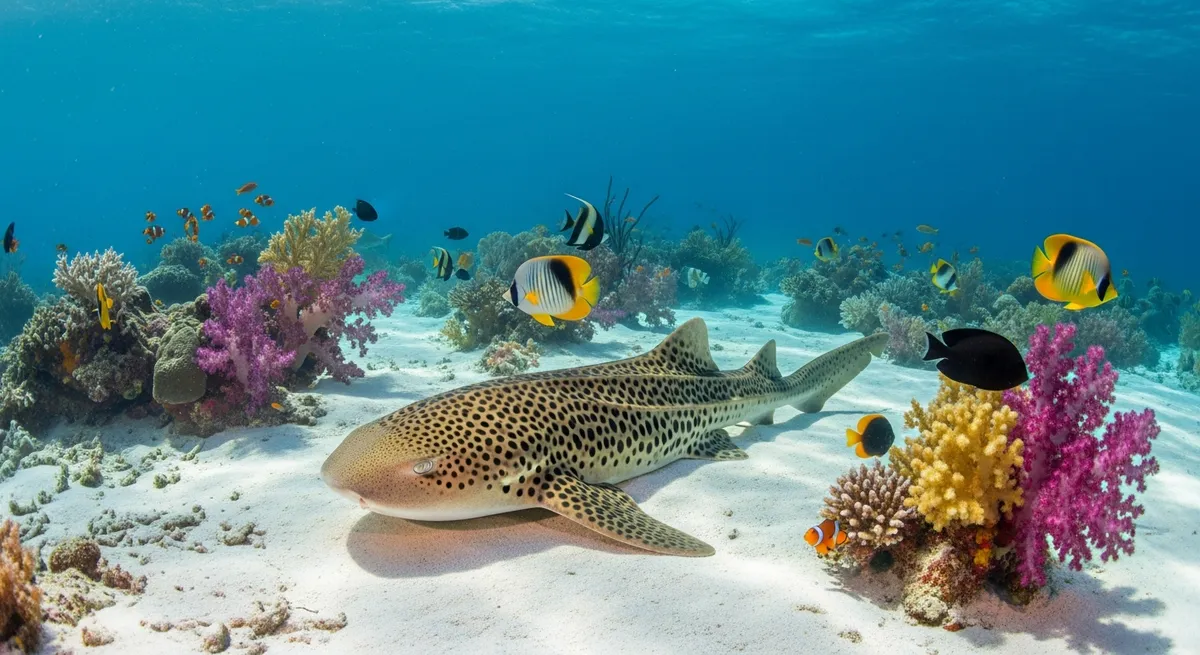
Thailand offers rich diving, with 361+ marine species recorded in its waters - including barracuda, blacktip reef sharks, blue-spotted stingrays, eagle rays and giant moray eels. Water ranges 28-30°C, warmest April, May, June.
Thailand is where a lot of us first strapped on a tank, and for good reason. The diving here is wonderfully accessible, warm, and often ridiculously pretty, a perfect mix for divers new and old. If you’re after big pelagics and dramatic underwater topography, the Similan and Surin Islands from November to April are our top pick, with healthy chances of manta rays and even whale sharks. For learning or just a chilled-out week of easy reef dives, Koh Tao in the Gulf offers a friendly vibe and calm conditions. We’ve had some truly memorable encounters with schools of fusiliers so thick they block the sun in the Andaman, and finding a tiny, colourful Delicate Blenny hiding in a coral head is always a win. Just expect crowds at the really popular spots, particularly during peak season.
Thailand Dive Regions Map
Thailand Dive Regions
6 diving areas in Thailand
Gulf of Thailand
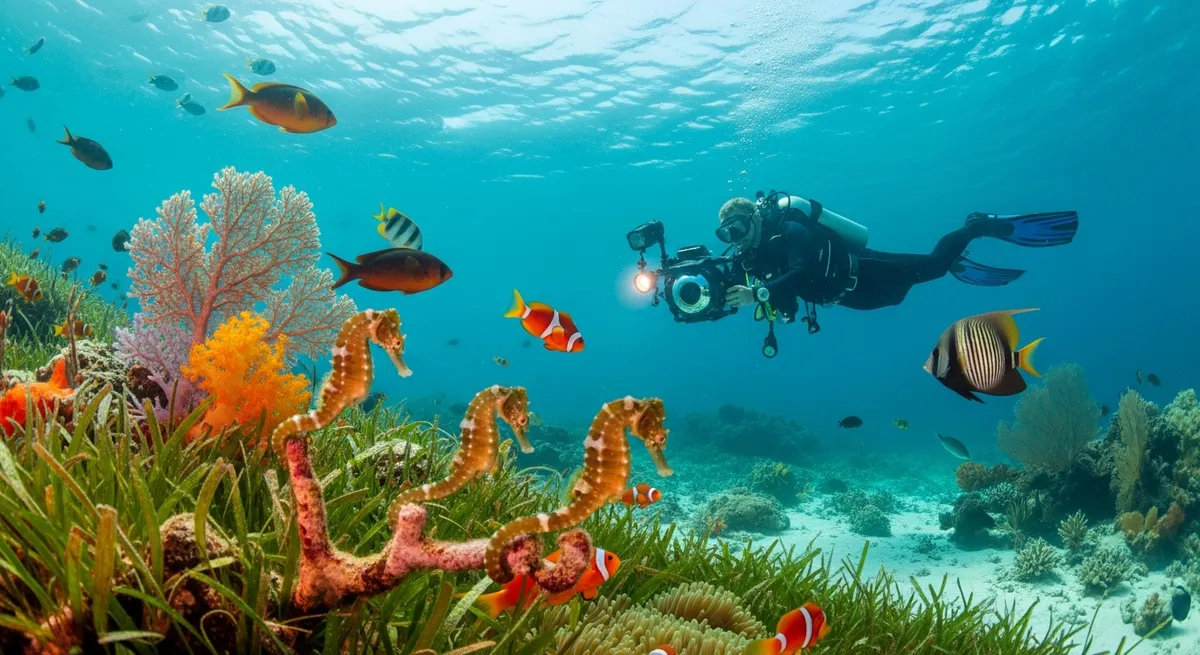
The Gulf of Thailand, for us, is all about easy diving and those wonderful whale shark surprises at Sail Rock. We’ve had incredible luck there, watching them cruise past as schools of fusiliers dim the light. It’s also home to some decent wrecks, like the HTMS Sattakut, which attracts a fun mix of batfish and barracuda. The reefs around Koh Samui and Koh Phangan are mostly gentle slopes and pinnacles, perfect for beginners, though we always keep an eye out for those trickier currents at sites like Chumphon Pinnacle. Visibility often sits around 10-15m, a comfortable hazy blue, and you’ll spot plenty of flat needlefish zipping around the surface. We particularly love hunting for horseshoe crabs in the sandy patches, and the staghorn coral formations are surprisingly robust. Keep an eye out for the distinctive bronze featherback, not a common sight elsewhere. Our pick for a relaxed afternoon dive would be exploring the nooks and crannies for lined monocle bream.
Koh Lanta & Phi Phi
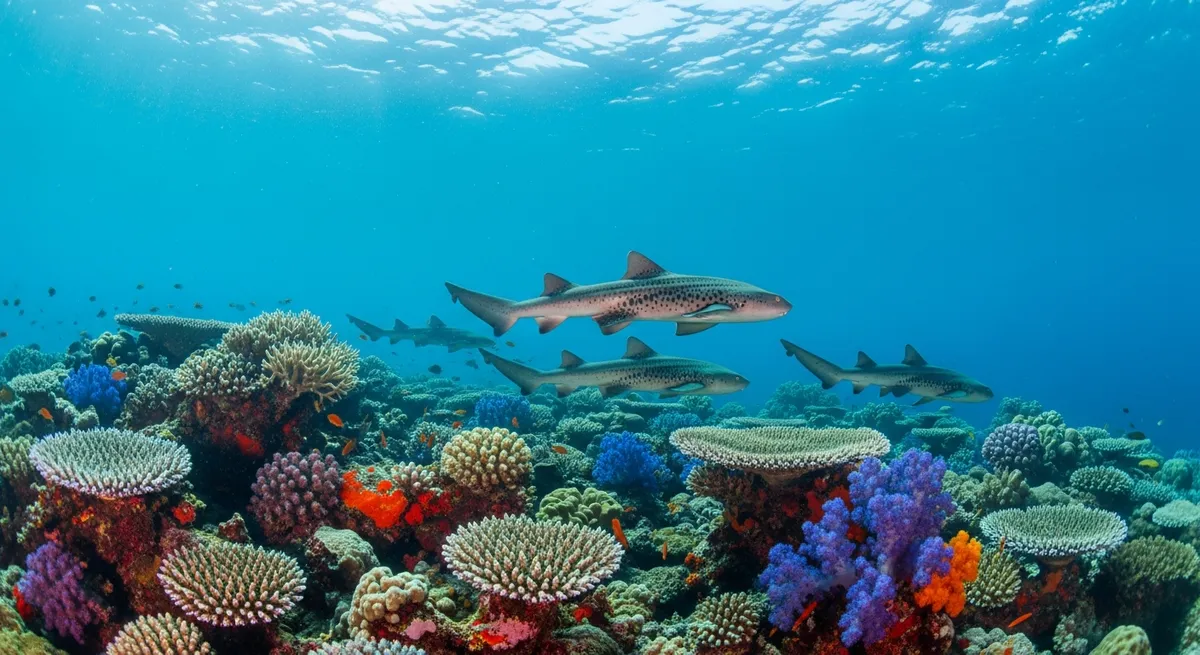
For a corner of Thailand that gets its fair share of traffic, Koh Lanta and Phi Phi still deliver some truly excellent diving. We love it for the sheer variety, from the dramatic limestone structures of Phi Phi to the deeper, current-swept walls of Hin Daeng and Hin Muang. You’ll spend most dives drifting past big schools of fusiliers, often so thick they dim the light, or spotting leopard sharks snoozing on sandy patches. Our pick for a truly memorable day has to be Hin Daeng and Hin Muang. Those deep walls are just spectacular, sometimes dropping to 30 metres, covered in colourful soft corals that sway in the mild currents. Keep an eye out for larger pelagics here; we’ve had some incredible encounters with whale sharks in the past, usually between November and April. At Phi Phi, it's all about the topography - we’re talking swim-throughs and overhangs draped in sea fans, and of course, the ever-present leopard sharks. Visibility is generally solid, often 20 metres plus, especially from December to May, making it easy to spot everything from tiny spotted green gobies to pale-edged stingrays gliding along the reef. Just be prepared for other divers, particularly at Phi Phi; going early can often mean a quieter experience.
Koh Tao
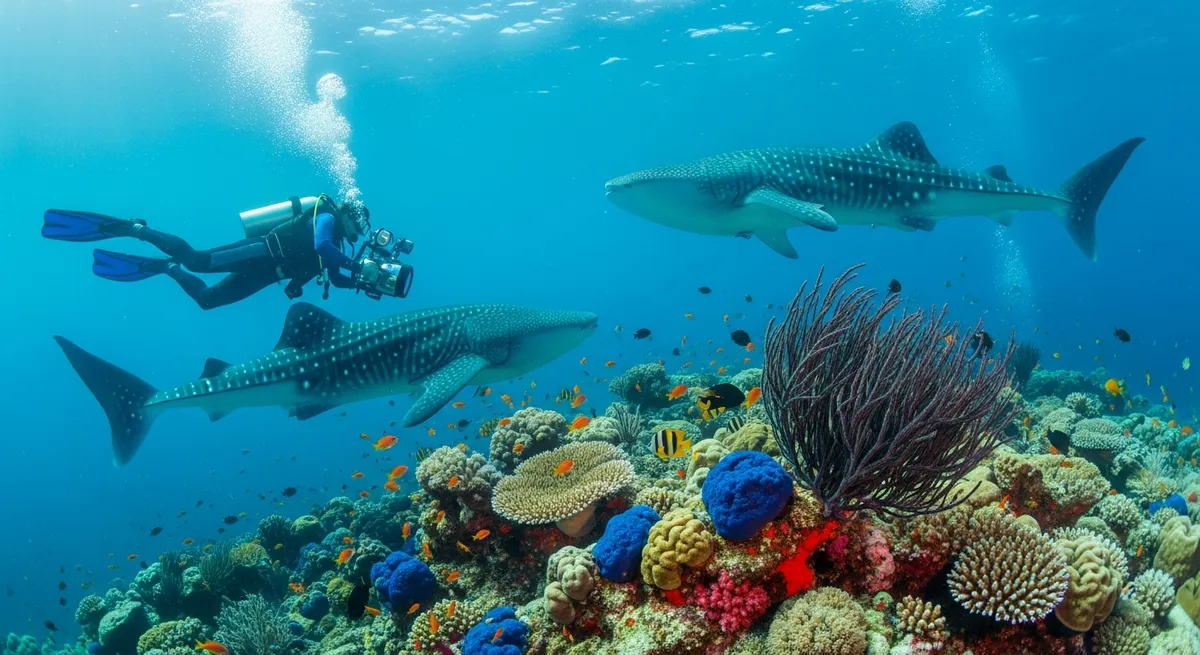
Koh Tao. Chances are, you know it as the world’s most popular place to get certified, and for good reason. It’s got a huge number of sites perfect for beginners, like Mango Bay, where you drift over sandy patches and watch juvenile reef fish dart between the anemones. We love the easy going vibe, perfect for building confidence. But look past the training dives and there's plenty to get excited about for the more experienced. Our favourite, without a doubt, is Chumphon Pinnacle. Drop down here and you’re immediately enveloped in shoals of fusiliers, so thick they almost block out the sun. We’ve seen juvenile scalloped hammerheads here on early morning dives, their silhouettes unmistakable against the blue. Another cracker is Sail Rock, technically between Koh Tao and Koh Phangan, but easily done as a day trip. It’s a huge granite pinnacle, often with a thermocline that brings in the bigger stuff - think barracuda walls and the occasional bowmouth guitarfish cruising by. Currents can be a bit frisky at both these sites, so plan accordingly. Visibility varies; during the summer months, it’s often 20m plus, but the plankton blooms in November can drop it down, though that’s often when the big pelagics appear.
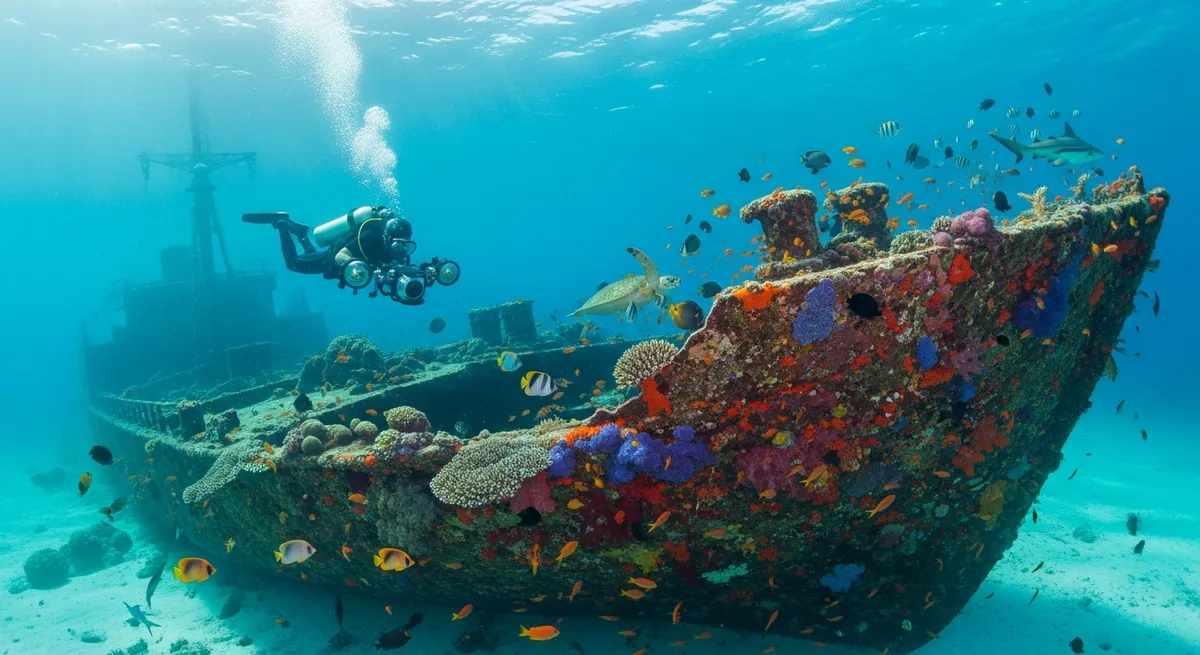
Pattaya & Eastern Seaboard
Accessible wreck diving and reef diving from Thailand's eastern coast. HTMS Khram and several artificial reefs support growing marine ecosystems.
Similan Islands
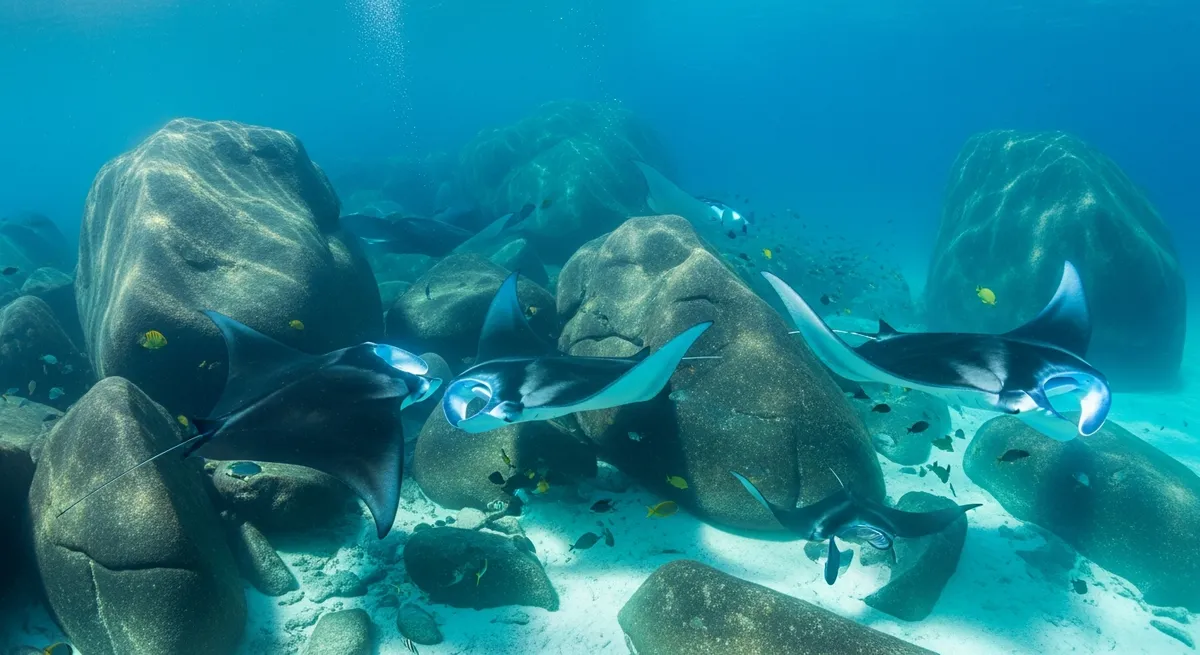
The Similans, for us, are all about the sheer scale of the place. Those huge granite boulders, smoothed over millennia, create incredible swim-throughs and gulleys. You’ll feel tiny next to them, especially at sites like Elephant Head Rock, where the light plays off the formations in a truly dramatic way. We love watching the blue-fin trevally hunt through schools of fusiliers so thick they almost block the sun, particularly in the channels between islands. Visibility here is often phenomenal, 20 to 30 meters on a good day, letting you really appreciate the hard corals - lots of staghorn and honeycomb. Keep an eye out for blennies popping their heads from the coral, particularly the Lubbock's combtooth. While the Similans are often touted for manta rays, especially between December and April, we’ve had more consistent luck spotting them at Koh Bon or Koh Tachai, just a little further north. Richelieu Rock, while technically outside the Similans, is often combined in liveaboard trips and that’s where you’ll have your best chance for a whale shark encounter, typically late in the season. Current can pick up, so be ready for some exhilarating drifts, particularly around the pinnacles.
Surin Islands
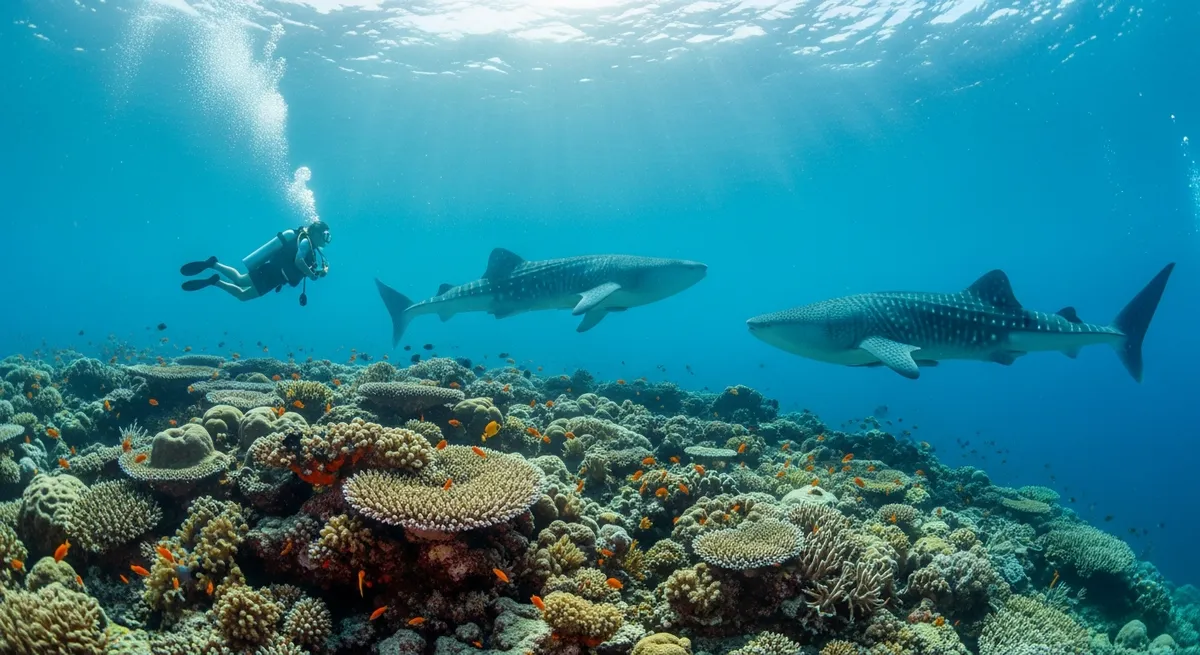
A marine national park near the Myanmar border with pristine shallow reefs, crystal visibility, and encounters with the Moken sea nomad people.
Ocean Wildlife in Thailand
361 species recorded in Thailand
Thailand Visa Requirements
Check if you need a visa to dive in Thailand
Plan & book
Ways to dive Thailand, from day trips to liveaboards.
Day trips & courses
via GetYourGuideGuided dives, courses and snorkel trips with instant booking.
Find dive trips in ThailandPlaces to stay
via Booking.comHotels and dive resorts near Thailand.
Search stays in ThailandDive insurance
Most travel insurance excludes or limits scuba. Check what you need before you go.
Dive insurance explainedPartner links: we may earn a commission if you book, at no extra cost to you. How we make money