Diving in Koh Lanta & Phi Phi
Why dive here
Koh Lanta & Phi Phi offers some of Thailand's richest diving, with 177+ marine species recorded in the area - including barracuda, giant moray eels, whale sharks, clownfish and pufferfish.
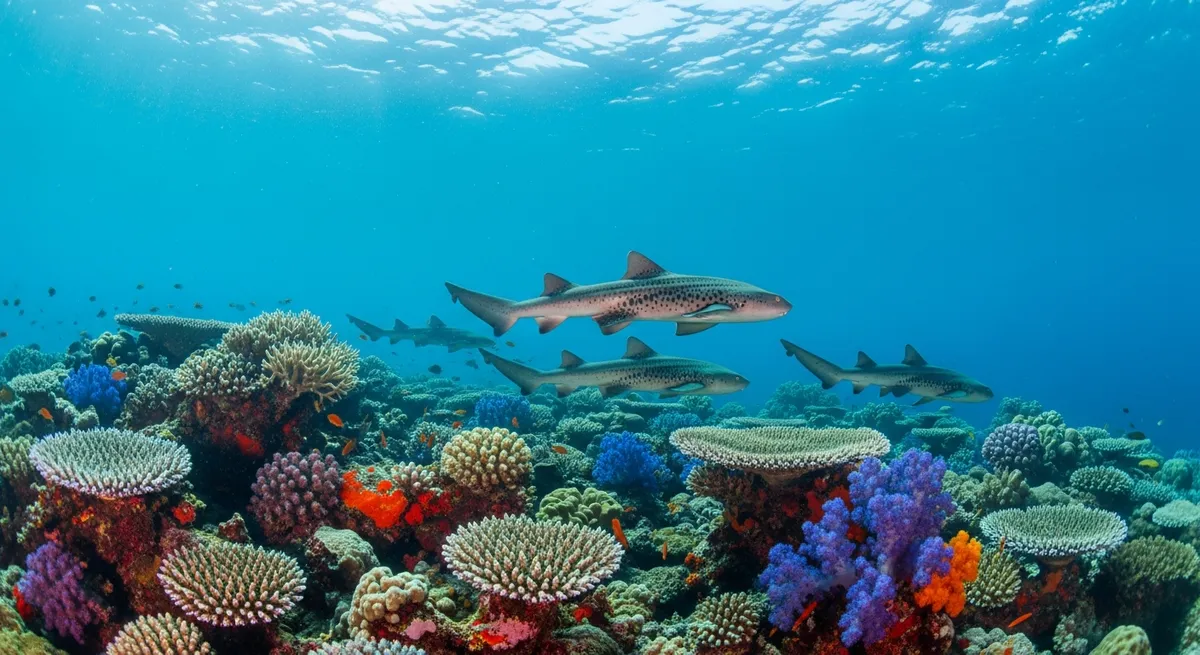
For a corner of Thailand that gets its fair share of traffic, Koh Lanta and Phi Phi still deliver some truly excellent diving. We love it for the sheer variety, from the dramatic limestone structures of Phi Phi to the deeper, current-swept walls of Hin Daeng and Hin Muang. You’ll spend most dives drifting past big schools of fusiliers, often so thick they dim the light, or spotting leopard sharks snoozing on sandy patches. Our pick for a truly memorable day has to be Hin Daeng and Hin Muang. Those deep walls are just spectacular, sometimes dropping to 30 metres, covered in colourful soft corals that sway in the mild currents. Keep an eye out for larger pelagics here; we’ve had some incredible encounters with whale sharks in the past, usually between November and April. At Phi Phi, it's all about the topography - we’re talking swim-throughs and overhangs draped in sea fans, and of course, the ever-present leopard sharks. Visibility is generally solid, often 20 metres plus, especially from December to May, making it easy to spot everything from tiny spotted green gobies to pale-edged stingrays gliding along the reef. Just be prepared for other divers, particularly at Phi Phi; going early can often mean a quieter experience.
Koh Lanta & Phi Phi Dive Site Map
Dive sites and dive centres in Koh Lanta & Phi Phi
Koh Lanta & Phi Phi Dive Sites
88 dive sites in Koh Lanta & Phi Phi
7 Rocks
7 Rocks is a straightforward dive off Koh Lanta, maxing out at 17m. It’s essentially a collection of submerged boulders, offering shelter for smaller reef fish and nudibranchs if you look closely. Visibility can be a bit variable, but it's generally a calm spot, making it suitable for beginners or those getting back in the water. We usually recommend it as a comfortable first dive to shake off the rust.
8 mile rock
Eight Mile Rock is a solitary pinnacle rising from the depths. We’ve seen whale sharks here, especially when the conditions are right, cruising past the rock face. It’s mostly rocky, with a few interesting sea cucumbers if you look closely. Best suited for experienced divers comfortable with potential currents, as it’s quite exposed.
Adang corner
Adang Corner usually gives us a good drift dive, especially when the currents pick up. You can expect to see barracuda patrolling the blue, along with plenty of fusiliers and snapper hanging around the rock formations. It's a straightforward dive, well-suited for those comfortable with a bit of current and looking for some pelagic action.
ANG LEE
Ang Lee isn’t deep, not at all, which makes it a unique wreck dive in the Lanta and Phi Phi area. At a maximum of two metres, this isn’t about going low, it’s about slow exploration. The old motor vessel, originally the Kobe Maru No. 3, was deliberately sunk and now rests upright, broken into two main sections. We love the way the light filters down, even on cloudy days, making the bow and stern sections easy to navigate. Visibility here can be stellar, often 20 metres or more, giving you a clear view of the ship’s length. You’ll find schools of yellowtail barracuda hanging around the superstructure, and if you’re patient, a few resident moray eels peeking from beneath corroded plating. Our favourite part? The sheer scale of the Ang Lee at such shallow depths. It’s a photographer’s dream, letting you capture wide shots of the entire wreck without worrying about light or deco limits. It suits divers who appreciate detailed wreck exploration and those who love long bottom times. Just be mindful of local boat traffic, as it’s a popular spot for snorkelers and dive boats alike.
ANIAH
The Aniah, a carrier vessel built in 1970, lies upright on a sandy bottom at 13 meters. She’s a substantial wreck, stretching 94.5 meters, making for a relaxed dive where you can truly take your time exploring. We’ve found her superstructure provides plenty of swim-throughs, with large cargo holds open to inspection. Schools of yellow-lined snapper often gather in the shade, and we’ve spotted giant moray eels peeking from crevices in the engine room. It’s a comfortable dive, perfect for newer wreck enthusiasts wanting to experience a large, intact vessel.
Aow Ta Lo Lancha
Aow Ta Lo Lancha sits off Koh Phi Phi Leh, a shallow spot at a uniform 14 meters. It’s a gentle introduction for newer divers, or a relaxed second dive if you’ve been out deeper. The hard corals here are pretty well established, creating lots of small nooks. We often find lionfish tucked into ledges and small schools of snapper hovering over the reef flats. The visibility is generally good, making it an easy-going dive where you can take your time scanning for nudibranchs or a passing turtle.
CHO SIN SAYAM 6 (POSSIBLY)
The Cho Sin Sayam 6 wreck is an odd one, a genuine curiosity that feels more like an archaeological dig than a typical dive. It’s a dangerous wreck, yes, but dangerous in the sense that it's extremely shallow, partially exposed, and has sharp edges rather than strong currents or deep penetration risks. We think of it more as a snorkel site, really. At just three metres deep, it’s mostly about the history and the strange, sun-drenched interaction between the steel and the sea. You'll fin out, not down, over the twisted metal and watch schools of small reef fish dart through the corroded hull plates. The light here is incredible, piercing the surface and illuminating every barnacle and anemone that's taken root. Our favourite thing to do is spend time just hovering, spotting the outlines of old machinery, imagining the ship’s final moments. It’s less about big pelagics and more about the intimate details, the textures of decay, and the sheer audacity of something so large resting so close to the surface. This is a site for history buffs and photographers who love playing with natural light.
GASLEO
Gasleo, a former oil tanker, sits upright and largely intact at a gentle 16 metres. We consider it one of the more underrated wrecks in the Andaman Sea. Built in 1980 and scuttled in 2003, it’s not ancient, but time and current have done a good job of transforming it into an artificial reef. You’ll find a surprising amount of soft coral growth clinging to the deck and superstructure, especially around the wheelhouse. Swimming through the cargo holds is our favourite part; the light shafts filtering down create a really moody atmosphere, and you’ll often find schools of snapper schooling inside, along with moray eels peeking out from pipes. Keep an eye out for lionfish resting on the railings. We find a morning dive here is usually best, before any stronger thermoclines kick in and drop visibility slightly. It’s a comfortable wreck dive, good for newer wreck enthusiasts, and a solid pick for two dives if you have the time.
GINA III
Gina III isn't for everyone. Let's be clear, this is a shallow wreck, topping out at just 4 metres. But don't let the depth fool you into thinking it's dull. This 140-metre cargo ship, which went down back in '92, is incredibly spread out and broken, creating an artificial reef that’s really taken hold. We love coming here, especially on a sunny day when the light penetrates everything. You'll find yourself drifting over twisted metal plates and huge sections of hull, now completely encrusted with corals. Schools of snapper and fusiliers are usually schooling around the larger sections, and we've often spotted giant moray eels peeking out from under the broken decks. It's fantastic for photographers looking for interesting light play and wreck silhouettes, and even better for snorkelers or freedivers wanting to explore a substantial piece of history just below the surface. We'd suggest going early in the morning before any boats arrive to get the best of the light and the marine life.
HAI SHIN
The Hai Shin is a small tugboat, nothing grand, but we find it genuinely charming. It sits upright on a sandy bottom at a neat 17 metres, making it approachable for most Open Water divers. What we love about this wreck isn't its size, but how it's become a living reef. You can poke around the superstructure, peer into the wheelhouse – it feels like exploring a ghost ship, just without the actual ghosts. The real draw here is the residents. Schools of yellow-lined snapper often swirl around the bow, a shimmering curtain of fish. Look closely at the deck and you'll spot resident moray eels peeking from crevices, their heads swaying. It’s a site that rewards slow, deliberate diving; take your time to examine the nooks and crannies. We'd suggest aiming for a morning dive before other boats arrive, giving you a quieter encounter with this characterful little wreck. It's a proper wreck dive without the need for advanced certs, and frankly, we think it’s a brilliant way to spend an hour underwater.
Hin Daeng
Hin Daeng is a large submerged rock pinnacle. We often find schooling barracuda and reef sharks here, sometimes even a whale shark passing through during the right season. It’s an open ocean site, so currents can be strong, making it better for experienced divers comfortable with drift dives. Visibility can be excellent, though it varies with the season.
Hin Daeng / Hin Muang
Hin Daeng and Hin Muang, two offshore pinnacles, really stand out in the Andaman Sea. We’ve had some fantastic dives here, often feeling like we’re on a miniature liveaboard trip even on day boats from Lanta. You’re looking at dramatic walls, thick with anemones and soft corals, dropping deep into the blue. It’s where we’ve often encountered mantas gliding by, seemingly out of nowhere, and the sheer volume of schooling fish, particularly fusiliers and snapper, can be impressive. Expect currents to be a factor, so it’s best for those comfortable with drift diving, but the rewards are definitely worth the effort.
Show all 88 dive sites in Koh Lanta & Phi Phi
- Hin Muang
- Hin Muang
- Hin Ngam Koh Rok
- Hin Nok : Nok Pinnacle : หินนก
- HMS Tally-Ho
- Honeycomb Beach
- House reef
- IGO KAKUAN MARU
- Jabang
- KAPAL POLIS MARIN KM RIMAU
- Kapal Polis Marin KM Tuba (PX13)
- KF 2362
- KHF 2358
- KHF 49
- KISOGAWA MARU
- KM REEF EXPLORER
- Ko Haa 3 - Lagoon
- Ko Haa 4
- Ko Ha Yai
- Koh Bitsi, Koh Lek
- Koh Haa #6
- Koh Haa Neua #1
- Koh Haa Yai #5 (Cathedral)
- Koh Kra
- Koh Kraden Wreck
- Koh Lipe
- Koh Ma
- Koh Ngai
- Koh Pung
- Koh Rok
- Koh Rok Noi
- Koh Sarang
- Koh Talak North
- Koh Talak Steps
- Koh Taru
- Koh Waen
- Koh Yang East
- Koh Yang North
- Koh Yang South
- Ko Ngai
- Ko Rok Nai
- Ko Rok Nok
- Ko Usen
- KUMA
- Lak Siam
- Li Bong Artificial coral Reef
- Lipe Corner
- Long Beach
- MOUSQUET
- MV SELAMA ABADI V
- Palm beach
- Pattaya Corner
- Payar Island House Reef
- Pengasus
- Phocea
- Plamong, Ko Adang
- Red Rock and Purple Rock
- Sail Rock, Ko Batong
- SELAMA ABADI
- Selama Abadi V
- Shark Point (Hin Bida)
- SIRIMONGKOL 2
- Snorkeling
- SREE CHOLE
- Stone Henge
- Talang
- The Emarald Cave
- The Jetty
- THEPVIPA
- Trang Scuba Diving
- U 859
- Waterfall
- White Rock, Ko Tarutao
- Yong Hua Wreck
- ZENYO MARU
- Zero Rock
Koh Lanta & Phi Phi Dive Centres
13 dive shops and operators in Koh Lanta & Phi Phi
Anti gravity Divers
Apo Dhatu Divers
Aqua Gems
Dive and Relax
Go Dive
Langkawi Divestation
Lay Trang Diving
Lotus Dive
Show all 13 dive centres in Koh Lanta & Phi Phi
Ocean Wildlife in Koh Lanta & Phi Phi
177 species recorded in Koh Lanta & Phi Phi
Koh Lanta & Phi Phi Daylight & Sunrise/Sunset
Sunrise and sunset times for Koh Lanta & Phi Phi, calculated from coordinates
Today - Sunday 11 October
Sunrise
06:10
Sunset
18:10
Daylight
12h 0m
Golden Hour
17:42
First light (dawn) at 05:49 · Last light (dusk) at 18:31
Monthly Averages
| Month | Sunrise | Sunset | Daylight |
|---|---|---|---|
| Jan | 06:39 | 18:25 | 11h 46m |
| Feb | 06:40 | 18:35 | 11h 55m |
| Mar | 06:30 | 18:34 | 12h 5m |
| Apr | 06:15 | 18:31 | 12h 16m |
| May | 06:07 | 18:32 | 12h 25m |
| JunLongest | 06:08 | 18:39 | 12h 31m |
| Jul | 06:14 | 18:43 | 12h 29m |
| Aug | 06:17 | 18:38 | 12h 21m |
| Sep | 06:14 | 18:23 | 12h 10m |
| OctNow | 06:09 | 18:08 | 11h 59m |
| Nov | 06:13 | 18:02 | 11h 49m |
| DecShortest | 06:26 | 18:10 | 11h 44m |
Times are approximate local times based on longitude. Actual times may vary slightly depending on the exact timezone observed in Koh Lanta & Phi Phi.
Where to Stay near Koh Lanta & Phi Phi
Prices from Booking.com. We may earn a commission at no extra cost to you.
Marine Protected Areas near Koh Lanta & Phi Phi
19 protected areas near Koh Lanta & Phi Phi - please respect local regulations when diving
Phuket Environmental Protected Area
Krabi Environmental Protected Area
Marine and Coastal of Trang Province
Tarutao
Mu ko Phetra
Ko Racha Marine and Coastal Resources Protected Area
กำหนดพื้นที่เกาะราชาใหญ่ เกาะราชาน้อย ตำบลราไวย์ อำเภอเมืองภูเก็ต จังหวัดภูเก็ต
Hat Chao Mai Marine National Park - Ta Libong Island Non-Hunting Area - Trang River Estuaries
Hat Noppharat Thara-Mu ko Phi Phi
Pang Nga Bay Marine National Park
Ao Phang-nga
Mu Ko Libong
Showing 12 largest of 19
Getting to Koh Lanta & Phi Phi
Langkawi
Hat Yai
Krabi
Plan & book
Ways to dive Koh Lanta & Phi Phi, from day trips to liveaboards.
Day trips & courses
via GetYourGuideGuided dives, courses and snorkel trips with instant booking.
Find dive trips in Koh Lanta & Phi PhiPlaces to stay
via Booking.comHotels and dive resorts near Koh Lanta & Phi Phi.
Search stays in Koh Lanta & Phi PhiDive insurance
Most travel insurance excludes or limits scuba. Check what you need before you go.
Dive insurance explainedPartner links: we may earn a commission if you book, at no extra cost to you. How we make money