How to Choose a BCD
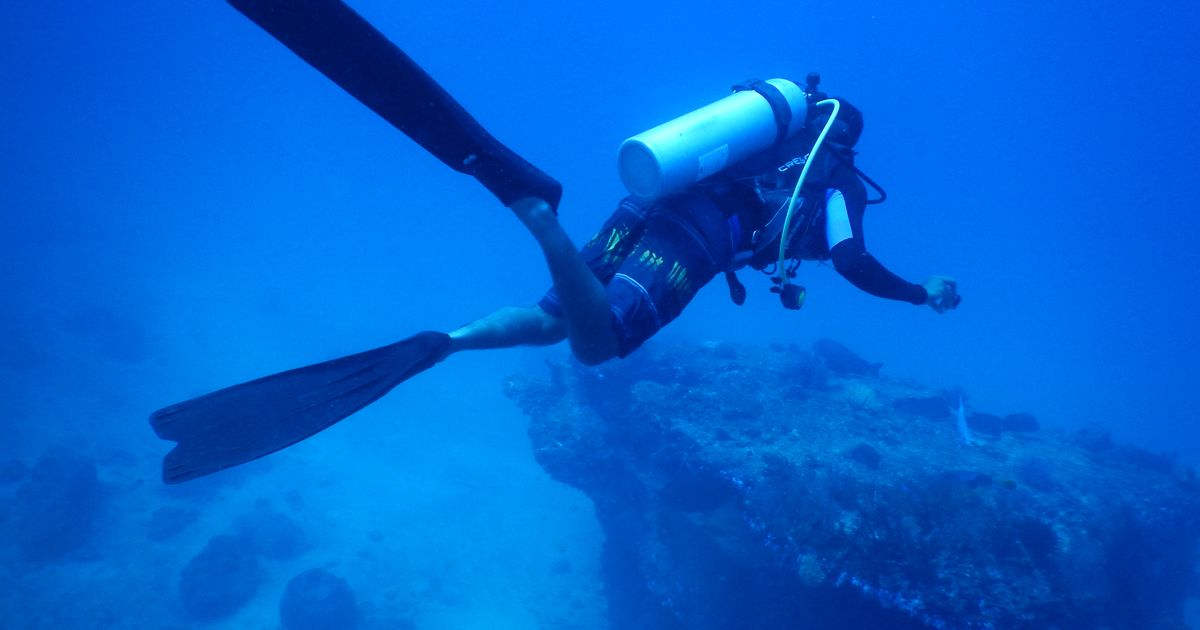
Selecting a BCD involves understanding jacket, back-inflate, and wing styles, ensuring proper fit, determining required lift capacity, evaluating features like integrated weights, and considering your budget for this essential dive equipment.
How to Choose a BCD: Your Essential Guide
The BCD, or Buoyancy Control Device, is a cornerstone of your diving kit. It's what keeps you comfortably buoyant on the surface, helps you achieve neutral buoyancy underwater, and provides a secure place for your tank. With so many options available, choosing the right BCD can feel a bit overwhelming. This guide from DivePlnr will break down the key considerations to help you make an informed decision.
Jacket vs. Back-Inflate vs. Wing: Understanding the Styles
The first major decision you'll face is the fundamental style of BCD:
- Jacket BCDs: These are the most common and often the first type divers encounter. They inflate all around your torso, providing buoyancy both at your back and sides. Jacket BCDs are generally comfortable, offer integrated weight pockets, and have plenty of D-rings and pockets for accessories. They're a solid all-rounder, particularly good for newer divers or those who appreciate a sense of security and upright surface buoyancy.
- Back-Inflate BCDs: As the name suggests, the air cell on these BCDs inflates only at your back. This design leaves your chest and sides free, which many divers find more comfortable and less restrictive underwater. The back-inflate style encourages a more streamlined, horizontal trim. On the surface, however, they can push you slightly forward, requiring a bit more effort to stay upright, though this is easily managed with practice. Many back-inflate BCDs also feature integrated weight systems and accessory pockets.
- Wing Systems (Backplates and Wings): These modular systems are highly favoured by technical divers and those who prioritise customisation and streamlining. A wing system consists of a rigid backplate (often stainless steel or aluminium) that sits against your back, a separate donut-shaped or U-shaped air cell (the "wing") that attaches to the backplate, and a harness system. Wings offer exceptional trim underwater and are very durable. They are highly adaptable, allowing you to swap out wings of different lift capacities or adjust the harness precisely. While initially more complex to set up and often without integrated weight pockets (though many add-on options exist), their customisability and robustness make them popular for advanced diving.
Fit is Paramount
No matter the style, a BCD must fit correctly. A poorly fitting BCD can be uncomfortable, hinder your trim, and even compromise safety. Here's what to look for:
- Snug, Not Tight: The BCD should fit snugly when deflated, both over your wetsuit or drysuit. It shouldn't ride up when inflated, nor should it restrict your movement or breathing.
- Shoulder Straps: These should sit comfortably on your shoulders without digging in or slipping off. Ensure they don't impede arm movement.
- Waist/Cummerbund: The waist strap or cummerbund should secure the BCD firmly around your torso, preventing it from shifting.
- Chest Strap: Many BCDs have an adjustable chest strap to further stabilise the shoulder straps.
- Try Before You Buy: Always try on a BCD with the type of exposure suit you typically dive in. Inflate it fully to see how it feels and move around.
Lift Capacity: How Much Buoyancy Do You Need?
Lift capacity refers to how much weight the BCD can support and bring to the surface. It's measured in pounds (lbs) or kilograms (kg). Your required lift depends on several factors:
- Exposure Suit: Thicker wetsuits and drysuits require more weight to sink, and therefore more lift from your BCD to achieve surface buoyancy.
- Tank Size: Larger, heavier tanks (e.g., steel 12L or 15L) are heavier than smaller aluminium tanks, requiring more lift.
- Accessories: Cameras, lights, and other gear add weight.
- Body Type: Individuals with greater body fat percentage are more buoyant and may need less lift.
- Weight System: If you use an integrated weight system, the BCD needs to be able to lift that weight too.
For most recreational divers, a BCD with 25-40 lbs (11-18 kg) of lift is sufficient. Technical divers or those using heavy twinsets might opt for wings with 60 lbs (27 kg) or more. When in doubt, consult with your local dive shop or instructor, who can help you determine appropriate lift based on your typical diving setup. For more insights on various dive equipment, check out our equipment guides.
Features and Functionality
Beyond the basic style and fit, consider these features:
- Integrated Weights: Many modern BCDs have integrated weight pockets, allowing you to ditch your separate weight belt. This can improve comfort and trim. Look for secure, easy-to-use release mechanisms.
- Pockets: How many pockets do you need, and how large should they be? Consider where you'll store your slate, spare mask, or other small items.
- D-Rings: These metal or plastic rings are for attaching accessories. Ensure there are enough in convenient locations for your gauges, console, torch, and other gear.
- Dump Valves: Most BCDs have at least three dump valves: one on the inflator hose, one on the shoulder, and one near the lower back. These allow you to rapidly release air from different positions.
- Adjustability: Look for adjustable shoulder straps, waist straps, and cummerbunds to fine-tune the fit.
- Material Durability: BCDs are exposed to salt water, UV light, and abrasion. Look for robust materials like Cordura for longevity.
- Travel Friendly: If you frequently travel, consider a lighter, more packable BCD. Some are specifically designed for travel, often sacrificing some padding or features for reduced weight. For tips on diving in various locations, explore our country guides.
Budget Considerations
BCD prices vary widely, from a few hundred pounds to well over a thousand for high-end modular systems. While it's tempting to opt for the cheapest option, remember that your BCD is a critical piece of safety equipment. Invest in a quality BCD that meets your needs and fits well. Consider it a long-term investment in your diving comfort and safety.
Final Thoughts
Choosing a BCD is a personal decision. There's no single "best" BCD; there's only the best BCD for you. Take your time, try on different styles and brands, and consider your current and future diving aspirations. Talk to experienced divers, instructors, and dive shop professionals. A well-chosen BCD will enhance your diving experience, providing comfort, control, and confidence underwater. For more general diving knowledge, visit our knowledge hub.
Please remember that the information provided here is for general guidance and educational purposes only, and should not be considered as medical advice. Always consult with a qualified dive physician for any personal health concerns related to diving.
More from the Blog
How Long Does It Take to Get Scuba Certified?
Most people earn their Open Water certification in 3-5 days, but there are faster and slower paths d...
Bonaire Shore Diving: The Complete Guide
Rent a truck, drive to a yellow stone, dive. Bonaire invented shore diving as we know it - here's ho...
Great Barrier Reef Diving: Where to Go, When & How
The world's largest reef system stretches over 2,300 kilometres - but where exactly should you dive?...