Diving in Maldives
Why dive here
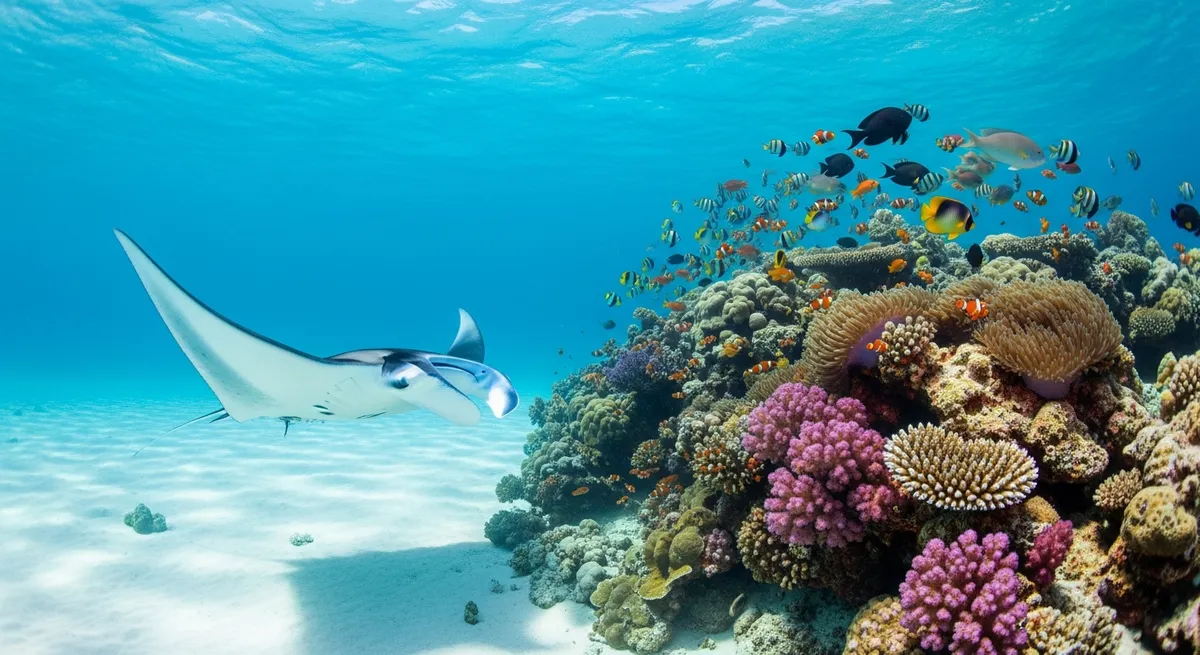
Maldives offers rich diving, with 195+ marine species recorded in its waters - including barracuda, blacktip reef sharks, blue sharks, sea turtles and spinner dolphins. Water ranges 29-31°C, warmest April, May, July.
Maldives is a place we keep coming back to, mainly for the sheer predictability of big animal encounters. You’ve got the channel dives in South Malé and Vaavu Atolls, where the currents really rip, bringing in grey reef sharks, eagle rays, and schooling snappers. For mantas, Hanifaru Bay in Baa Atoll is legendary, especially during the southwest monsoon, roughly May to November. It gets busy, but seeing dozens of mantas filter feeding in a single spot is something else. Then there’s South Ari Atoll for whale sharks, often found cruising the outer reefs year-round. We’ve found the mornings tend to be less crowded if you can manage an early start. Visibility is generally excellent, often 20-30 meters, though those monsoon months can stir things up a bit. The sheer number of thilas and giris means you could spend a lifetime exploring and still find new corners. It's a proper liveaboard destination, allowing you to hit multiple atolls and really maximize your chances with the pelagics.
Maldives Dive Regions Map
Maldives Dive Regions
8 diving areas in Maldives
Baa Atoll
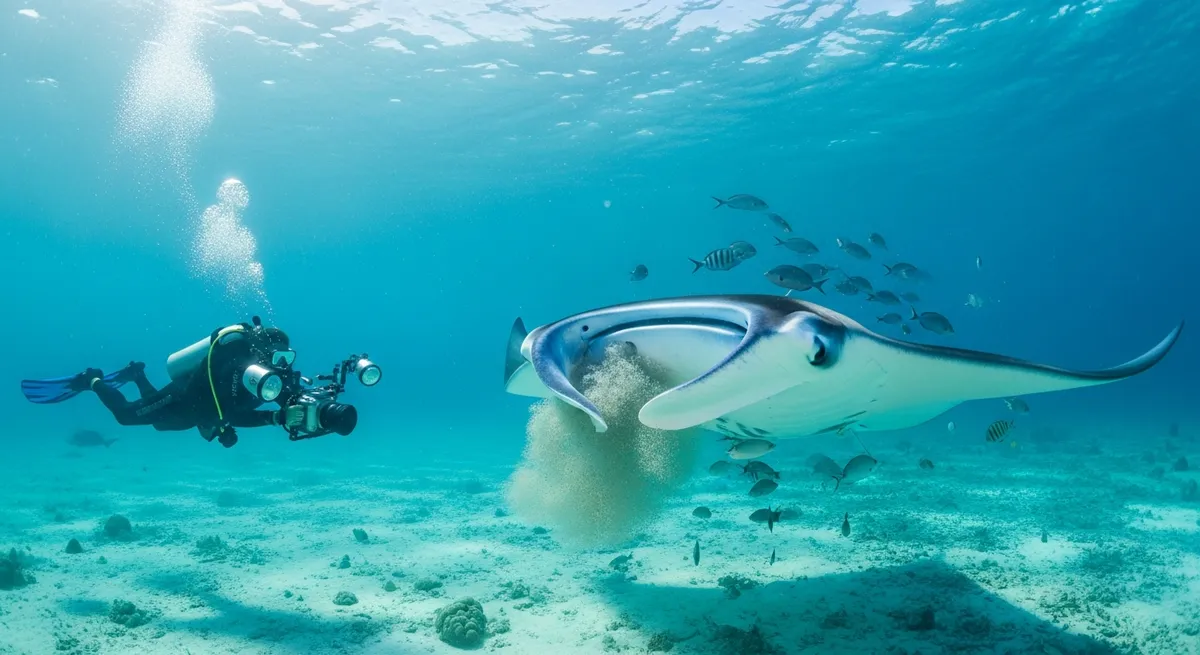
Baa Atoll. The name alone conjures images of mantas, and for good reason. Hanifaru Bay is truly special, a seasonal spectacle where hundreds of mantas turn up to feed, filtering plankton, creating a swirling vortex of wings. It’s an experience that feels almost spiritual, watching them glide, so close you could almost touch them - but don't. Beyond Hanifaru, we’ve found the diving here to be consistently excellent, often less crowded than some southern atolls. The reefs are healthy, particularly the staghorn and table corals that create intricate habitats. Drift dives are common, propelled by a gentle current past walls decorated with sea fans, or along pinnacles where schools of bigeye tuna patrol. We’ve had some memorable encounters with green turtles here too, just cruising along, seemingly unfazed by our presence. Visibility is usually superb, often reaching 30 metres, giving you that sensation of flying through an impossibly blue space. We particularly love the shallower reef tops, bathed in sunlight, where the colours really pop. If you're here during manta season, typically May to November, try to time your dives around the incoming tide for the best feeding action in Hanifaru. Outside of manta madness, the general reef diving still stands strong.
Huvadhoo Atoll
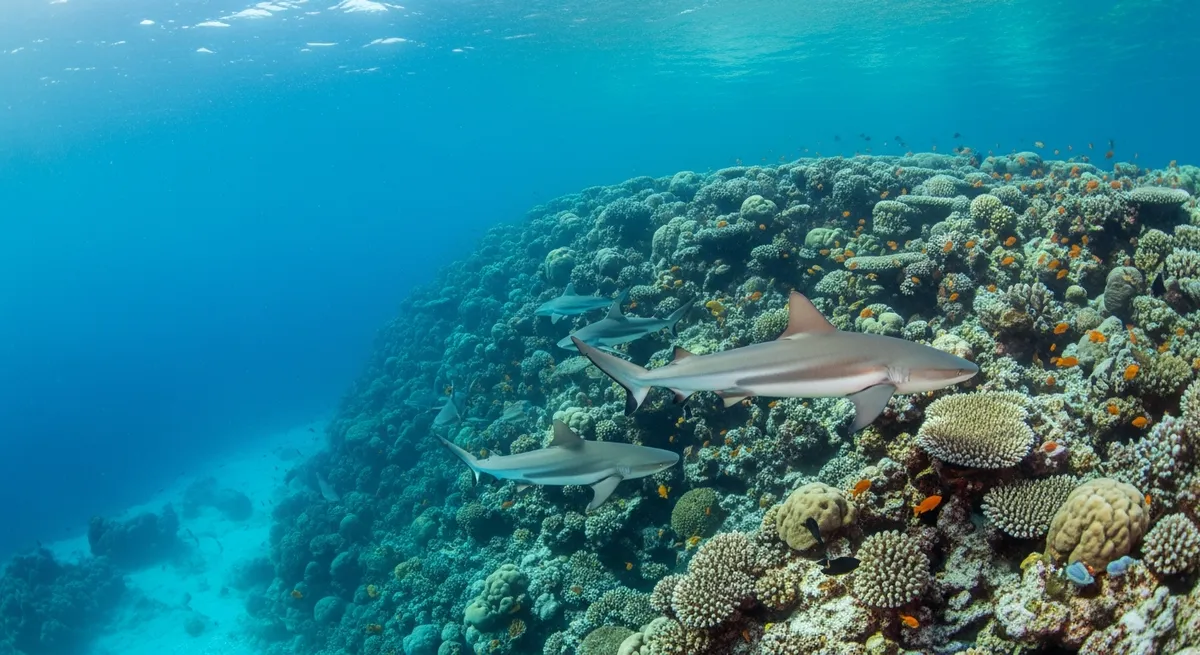
One of the world's largest atolls with remote, pristine diving and uncrowded channels.
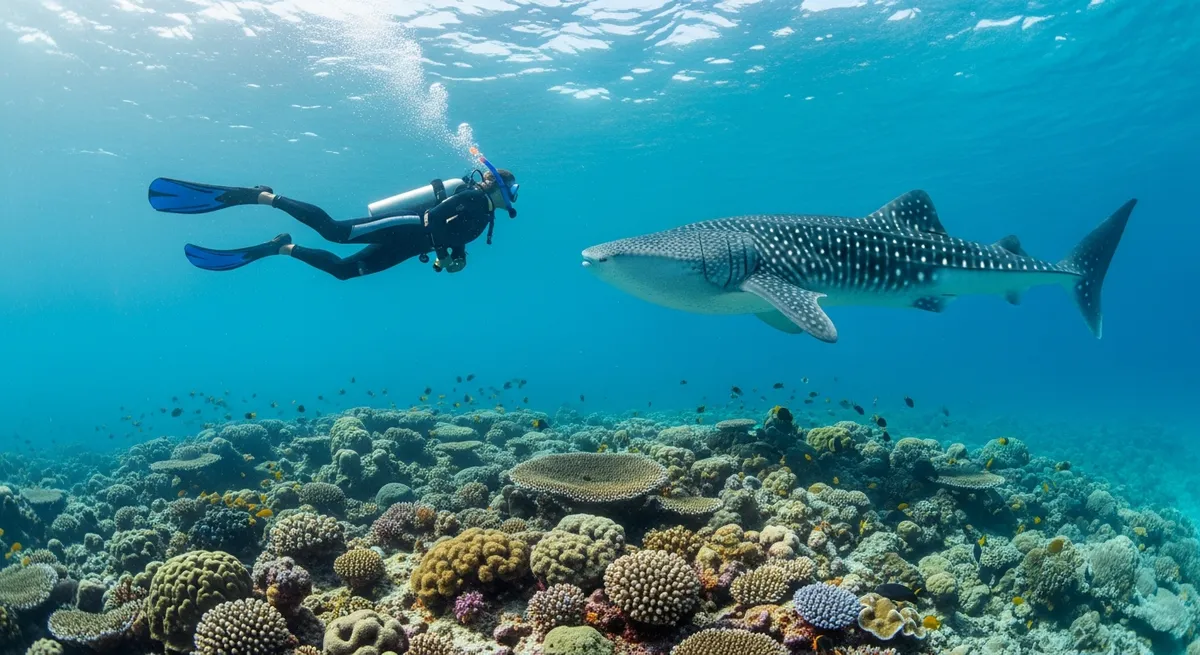
North Ari Atoll
North Ari Atoll means big fish, pure and simple. We love it for the thilas, those submerged pinnacles that act like magnets for pelagics, especially around the new moon. Fish Head, or Mushimasmingili Thila if you want to be formal, is our favourite, and for good reason. Drop down there and you’ll feel the current tugging, carrying you past grey reef sharks patrolling the drop-offs and Napoleon wrasse cruising by with that distinct, knowing look. The currents are what make it, really. They sweep nutrients in, and with the nutrients come the fusiliers, their schools so dense they sometimes dim the light. Keep an eye out for the smaller stuff too, tucked into the reef - those tiny blennies with their comical expressions, and the intricate patterns of the cowries if you take a moment to slow down. While the big stuff is the draw, we always enjoy drifting past the vibrant Montipora and Staghorn corals, watching the Ternate chromis flit in and out. Go early if you can, before the other boats arrive; it’s when the reef feels most alive.
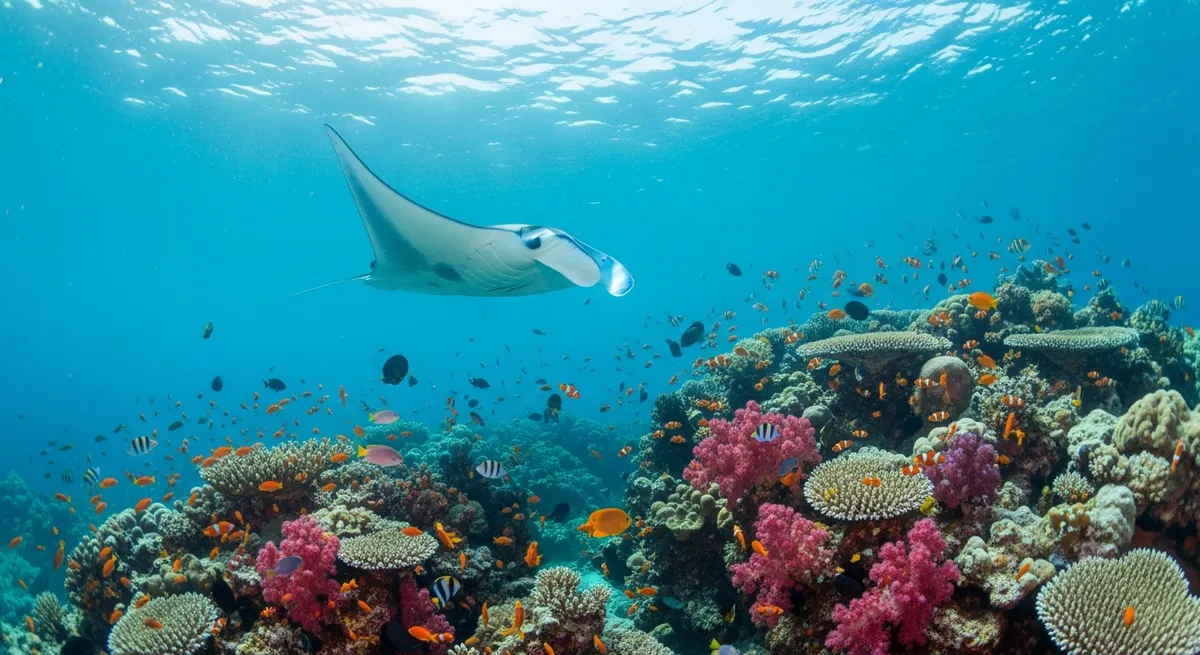
North Malé Atoll
North Malé Atoll is where a lot of Maldivian diving stories begin, and for good reason. It’s got a huge number of sites, meaning plenty of space to spread out, even with the number of resorts. We especially love the channels and thilas here - they act like superhighways for pelagics, especially when the currents are running. Expect some lively drift dives, often with manta rays gliding in for a clean, particularly around June to October at places like Manta Point. Our favourite sites are definitely the pinnacles, or 'thilas'. They rise from the depths, acting as magnets for fish. You'll find schools of fusiliers and snappers so thick they almost block out the light, circling the coral formations. We’ve seen belted wrasse darting between the staghorn corals, and the lineated butterflyfish are always a colourful sight. The currents can be significant, so pay attention to your guide’s briefing. Dive early for fewer boats and often clearer water, especially on the popular sites like Banana Reef. It's a great place to experience the quintessential Maldivian drift.
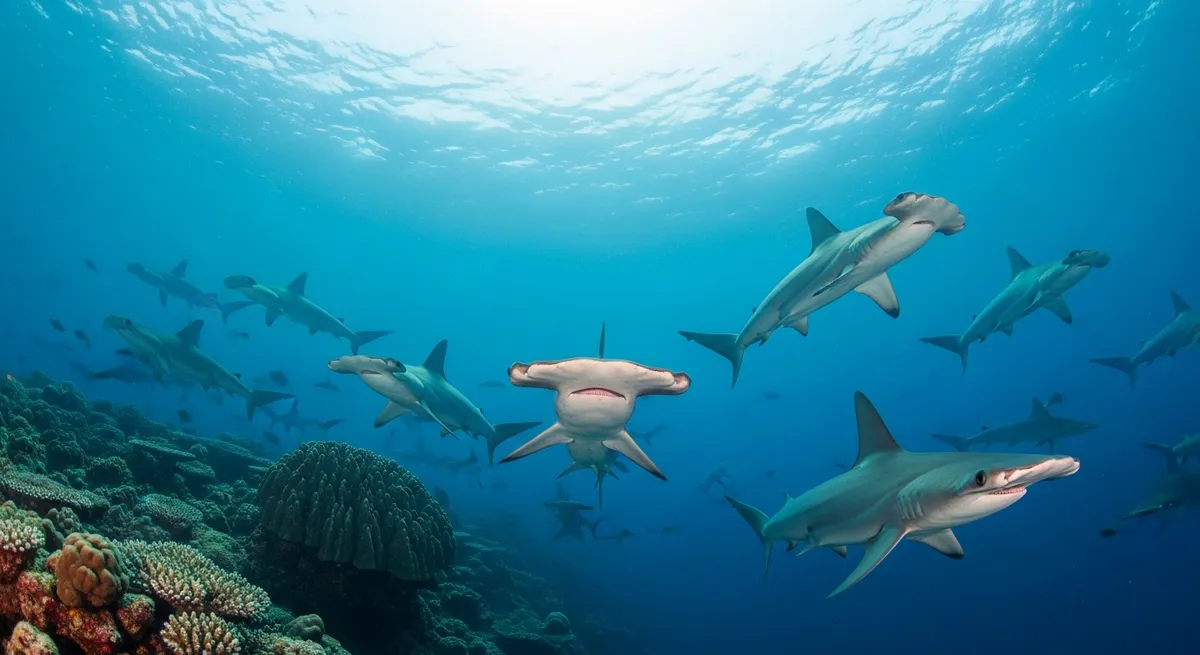
Rasdhoo Atoll
Rasdhoo Atoll, tucked away in the Alif Alif Atoll, is a real favourite of ours, mostly because it delivers on those early morning promises. We love the drift dives here, particularly along the outer reef walls, where the current often just… *pushes* you along, saving your fins for when you need to tuck in close to a coral head. The real draw, of course, is the hammerhead action at Rasdhoo Madivaru - getting up before dawn, dropping into that dim blue, and waiting for the shadows to materialise. It’s always a gamble with pelagics, but when it pays off, it’s magic. Beyond the sharks, the reefs here are solid. We’ve had some fantastic encounters with schools of fusiliers and trevally hunting, and the two-tone wrasse are everywhere, adding pops of colour. Our pick for an easier dive is somewhere like Hammerhead Point (ironically, not for hammerheads but for reef life), where you can really slow down and look for bloodspot pipefish or the charming hermit crabs tucked away. Be ready for some strong currents on the deeper dives; they’re what bring in the big stuff, but they demand respect. Visibility is generally excellent, but we’d suggest going in the dry season for the calmest surface conditions.
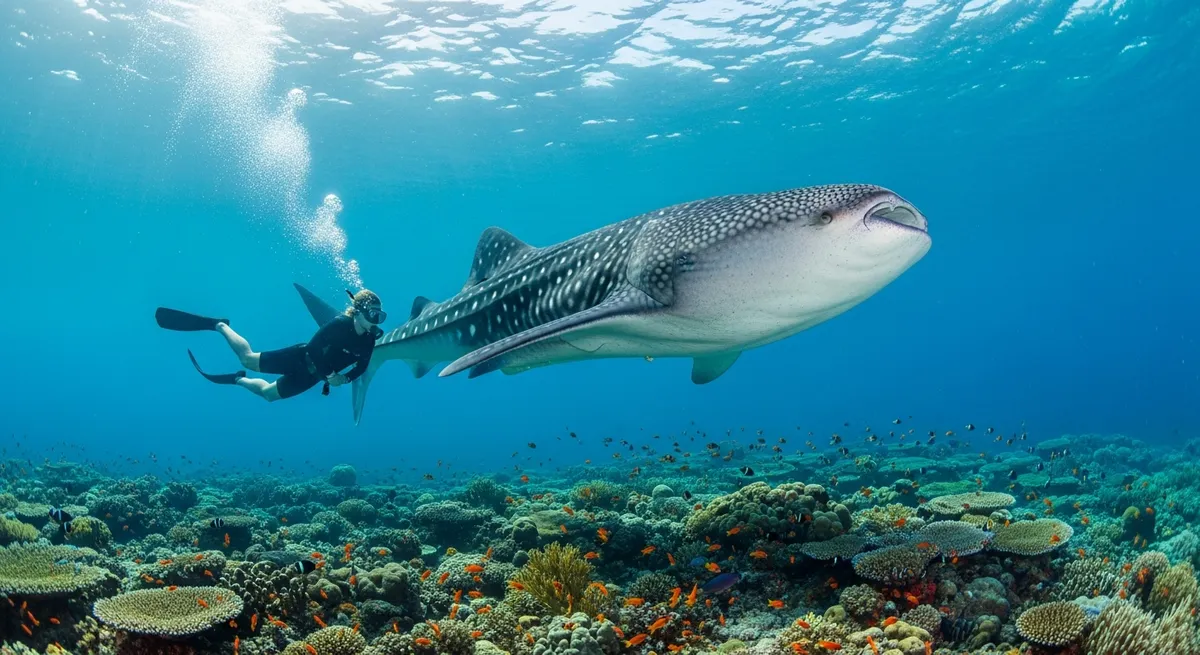
South Ari Atoll
South Ari Atoll. It’s the closest thing to a guaranteed whale shark encounter you’ll find in the Maldives. We’re not talking a fleeting glimpse from a boat either. Spend a few days here, especially around Maamigili, and the odds are firmly in your favour for extended in-water time with these gentle giants. They cruise the atoll’s western edge year-round, which is a major draw. Beyond the whale sharks, the diving here leans towards drift dives along vibrant walls and pinnacles, often with a pleasant current pushing you along. You'll glide past impressive honeycomb and staghorn corals, and if you keep an eye on the blue, bigeye tuna are often seen darting past. We’ve had some memorable encounters with spotted hawkfish nestled amongst the coral branches and found ourselves mesmerized by the delicate fluted clams. Visibility is typically fantastic, and the water feels like a warm bath. Our favourite time to visit is during the drier months when the calm seas make boat transfers effortless, though the whale sharks really don't seem to care what the weather's doing. Just remember your surface marker buoy; while the currents are usually manageable, it’s always wise to be prepared.
South Malé Atoll
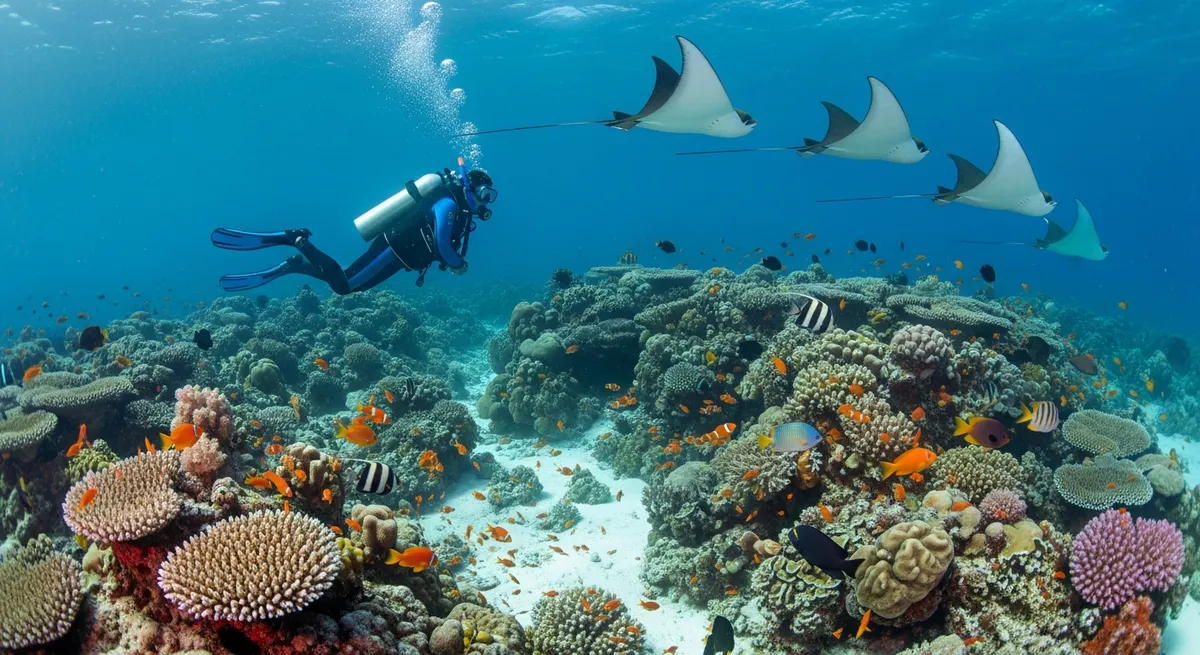
South Malé Atoll feels like the quieter, more chilled-out sibling to its northern neighbour. We love the drift dives through the channels, especially around Kandooma Thila, where the current can really pick up. If you time it right, you’ll be swept past schooling fusiliers, the water shimmering with their scales, on your way to a nurse shark slumber party. It’s accessible from Malé, which means easy transfers, but doesn’t have that same buzzing boat traffic. The real draw here for us are the cleaning stations. We’ve spent whole dives just watching manta rays circle above us, almost choreographed, while blennies zip out to do their work. Keep an eye out for eagle rays gliding past in the blue, sometimes in small squadrons. On the reef itself, the colours are softer, but look closer for the small stuff - those shy false brown morays peeking from crevices or the vibrant reds of a small-eyed squirrelfish. We’d suggest going in the dry season, December to May, for the best chances with the mantas and consistently good visibility. The channels can be punchy, so a reef hook is your friend.
Vaavu Atoll
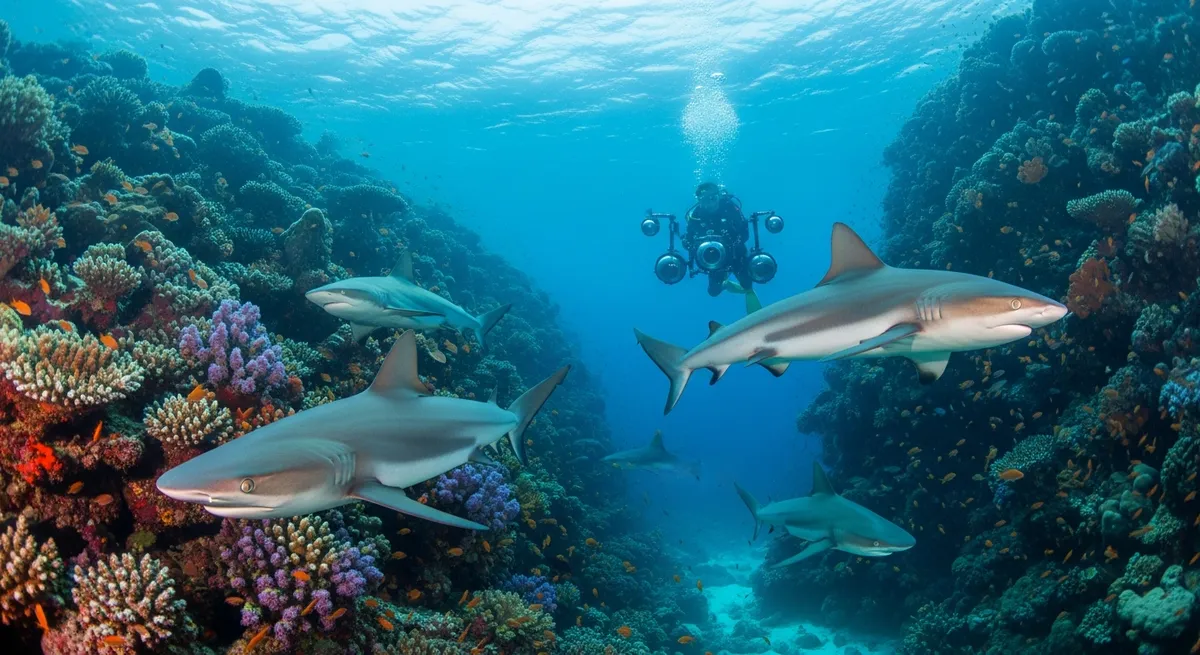
Vaavu Atoll, for us, is classic Maldives channel diving, but with a twist. It’s where you go when you’re chasing those bigger pelagics but still want to feel like you’ve got a little space to yourself. The channels here, particularly Fotteyo Kandu, are legendary for a reason. We’ve had dives there where the grey reef sharks cruise by so close you can almost count their teeth, and the schools of fusiliers are so thick they block out the sun for a moment. Our pick for a truly unique experience has to be Alimatha House Reef at night. It’s not just nurse sharks; it’s *dozens* of them, circling and bumping, drawn in by the dive centre lights. You’re kneeling on the sand, feeling the slight push of the current, and these incredible animals are all around you. It’s loud, in a strange way, with the rustling of their bodies against the sand. Visibility in the channels can be phenomenal, often 30 metres plus, especially on an incoming tide. We always suggest timing your dives for that incoming flow; it brings in the clear water and, crucially, the big fish. Expect exhilarating drifts, a lot of blue, and the constant chance of a hammerhead silhouette passing overhead in the distance. We’ve also spotted Mimka Bobtail Squid on shallower night dives, a real treat for macro fans.
Ocean Wildlife in Maldives
195 species recorded in Maldives
Maldives Visa Requirements
Check if you need a visa to dive in Maldives
Plan & book
Ways to dive Maldives, from day trips to liveaboards.
Day trips & courses
via GetYourGuideGuided dives, courses and snorkel trips with instant booking.
Find dive trips in MaldivesPlaces to stay
via Booking.comHotels and dive resorts near Maldives.
Search stays in MaldivesDive insurance
Most travel insurance excludes or limits scuba. Check what you need before you go.
Dive insurance explainedPartner links: we may earn a commission if you book, at no extra cost to you. How we make money