Underwater Navigation for Divers
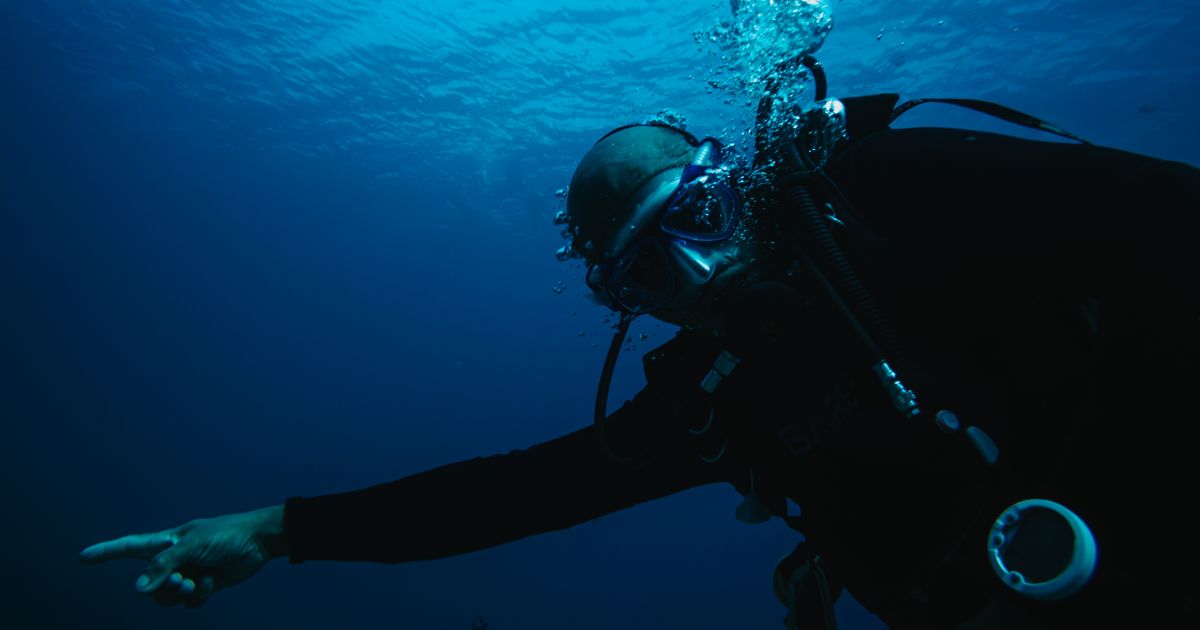
Photo by Mido Makasardi ©️ on Pexels
Mastering underwater navigation involves using both natural cues like topography and light, alongside precise compass techniques. This skill enhances safety, air conservation, and dive enjoyment, preventing disorientation and ensuring a confident return to your starting point.
Underwater Navigation for Divers
The ability to navigate effectively underwater is a foundational skill for any diver. It’s more than just knowing where you are; it’s about conserving air, managing bottom time, and ensuring a safe, enjoyable return to your starting point. While many dives are guided, developing your own navigation prowess offers a profound sense of independence and expands the possibilities of your diving adventures.
Good navigation combines an understanding of natural cues with the precise, objective data provided by your compass. Over-reliance on one without the other can lead to disorientation or inefficient diving. Let’s explore how to master both.
Natural Navigation: Reading the Underwater Landscape
Think of natural navigation as developing an intuitive understanding of the underwater environment. It relies on observing patterns and subtle changes around you. This skill improves with practice and keen observation.
- Sun and Light: The sun's position can be a powerful natural compass, especially in shallower water. Observe the direction of ambient light and shadows. If you start a dive with the sun at your back, you know to return towards the direction where the light appears brightest. Even on overcast days, there's often a discernible brighter direction.
- Bottom Topography: Look for consistent features. A sloping reef, a prominent rock formation, or a sand channel can serve as a natural guide. If you follow a reef wall on your right shoulder going out, you'll want to keep it on your left shoulder coming back. Pay attention to unique markers like a large sponge, a distinctive coral head, or a specific rock.
- Current and Surge: Understanding the prevailing current is crucial. If you swim against a gentle current on your outward leg, you can often drift back with it for an easier return. Be mindful of how surge patterns might indicate proximity to the surface or a change in depth.
- Depth and Pressure: Maintaining a consistent depth can help you stay on track. If you descend to 15 metres and plan to stay there for your outward journey, any significant change in depth might indicate you've drifted off course. Your dive computer provides precise depth information, which is a valuable natural navigation aid.
- Flora and Fauna: While not always reliable for direction, observing specific marine life patterns can help. Some species might prefer certain depths or areas. For example, a patch of garden eels might always be found in a particular sandy area. However, be cautious; marine life can move!
The key to natural navigation is to consciously look for these patterns and commit them to memory as you swim. Before you descend, take a moment to look at your entry point from the surface and visualise your planned route. What landmarks can you see? Which way is the sun?
Compass Navigation: Your Objective Guide
While natural navigation is excellent, it has limitations, especially in low visibility, at greater depths, or over featureless terrain. This is where your compass becomes indispensable. A compass provides objective direction, allowing you to follow a precise heading or navigate a square pattern.
- Setting a Course: To set a course, point the lubber line (the line on your compass that aligns with your body) in your desired direction of travel. Rotate the compass bezel until the two index marks (or "doghouse") align with the magnetic North arrow. Now, as long as you keep the North arrow between the index marks, you will stay on your chosen heading.
- Reciprocal Heading: This is fundamental for returning to your starting point. If you swim out on a heading of 90 degrees, your reciprocal heading (the direction back) will be 270 degrees (90 + 180). If your heading is greater than 180 degrees, you subtract 180 (e.g., 270 - 180 = 90). Always practice calculating reciprocal headings.
- Measuring Distance: While your compass gives direction, your dive computer tracks time, and your fin kicks can help estimate distance. Count your fin kicks for a known distance (e.g., 30 fin kicks for 10 metres). This allows you to estimate how far you've travelled on a particular heading.
- Square Patterns and Triangles: Practising navigation patterns like swimming a square or a triangle using your compass is excellent training. For a square, you'd swim 50 kicks on one heading, turn 90 degrees right, swim 50 kicks, turn 90 degrees right, and so on. If you finish back where you started, your navigation is accurate.
- Maintaining a Straight Line: The biggest challenge with compass navigation is often maintaining a straight line. Look at fixed objects in the distance (if visible) along your heading and swim towards them. Avoid constantly looking down at your compass; check it periodically to ensure you're on track.
For more detailed guidance on specific techniques, our Dive Guides section offers valuable resources.
Avoiding Disorientation and Getting Back on Track
Even experienced divers can feel disoriented. Here’s how to prevent it and what to do if it happens:
- Dive Planning: Good navigation starts before you even enter the water. Study charts, discuss the dive site with your buddy, and agree on a navigation plan. What's your primary heading? What are your turnaround points (time, air, distance)?
- Buddy System: Your buddy is your most important navigation tool. Practice navigation together. Two sets of eyes and two compasses are better than one. Communicate regularly about your position and heading.
- Remain Calm: If you feel disoriented, the first step is to stop, breathe, and think. Panicking will only worsen the situation.
- Look for Clues: Ascend slightly (while maintaining a safe rate) to see if visibility improves or if you can spot any surface landmarks. Look for natural navigation cues.
- Use Your Compass: If you have a general idea of the direction of your exit point, set a compass course and follow it. If unsure, you can try swimming a square pattern to see if you cross a familiar area.
- Safety Stops: Always incorporate a safety stop. This gives you time to decompress and can also be a good opportunity to re-orient yourself near the surface.
Developing strong underwater navigation skills takes practice and conscious effort. The more you use your natural observations in conjunction with your compass, the more confident and capable you'll become. This not only enhances your personal diving experience but also contributes to the safety and enjoyment of your dive buddy. Dive safely and explore with confidence!
For information on specific dive locations, browse our country guides.
This information is for general guidance only and should not be considered medical advice. Always consult a dive physician for personal medical concerns related to diving.
More from the Blog
How Long Does It Take to Get Scuba Certified?
Most people earn their Open Water certification in 3-5 days, but there are faster and slower paths d...
Bonaire Shore Diving: The Complete Guide
Rent a truck, drive to a yellow stone, dive. Bonaire invented shore diving as we know it - here's ho...
Great Barrier Reef Diving: Where to Go, When & How
The world's largest reef system stretches over 2,300 kilometres - but where exactly should you dive?...