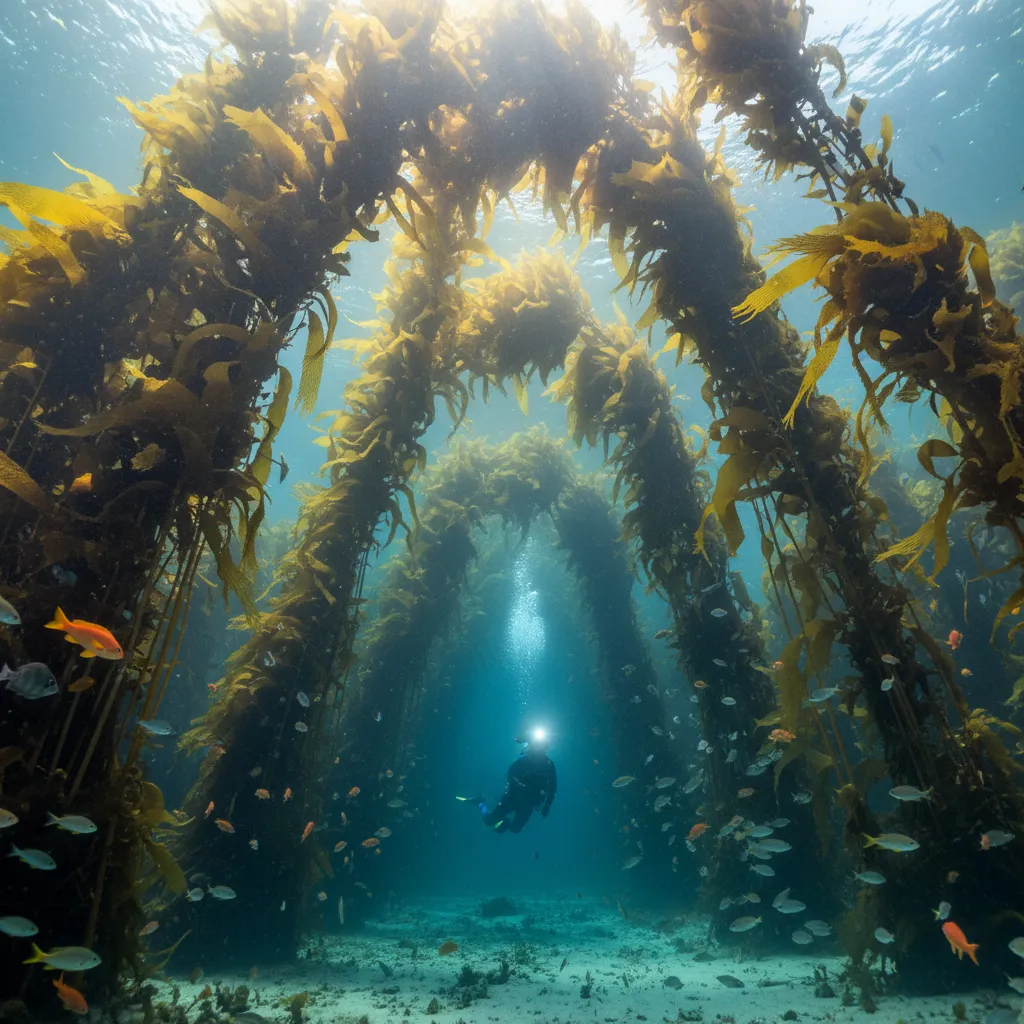
Best Kelp Forest Diving
Kelp forest diving immerses you in one of the ocean's most magical environments. Towering columns of giant kelp stretch from the rocky seabed to the sunlit surface, creating an underwater cathedral of golden-green fronds through which shafts of light filter and dance. Kelp forests support an astonishing diversity of life - playful seals and sea otters weave between the fronds, giant Pacific octopuses hunt among the holdfasts, and nudibranchs in every colour carpet the rocky substrate. Found in cool, nutrient-rich temperate waters, kelp forests offer a diving experience utterly distinct from tropical reefs - moody, atmospheric, and teeming with life that rewards the diver willing to brave cooler temperatures.
7 destinations in this collection
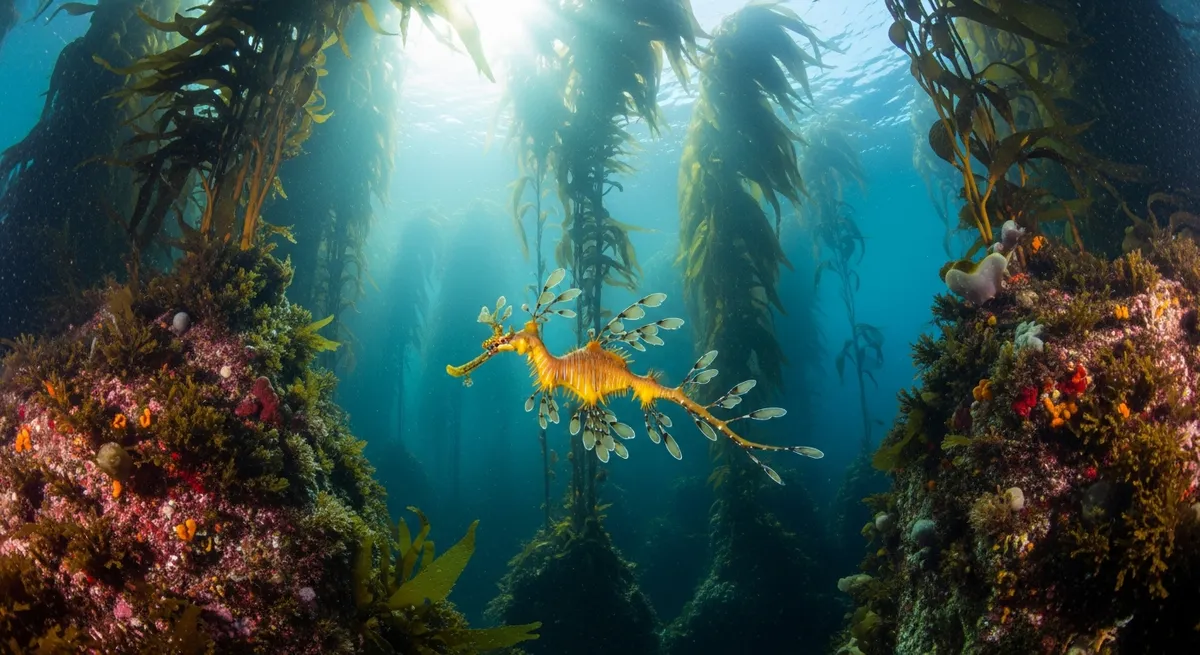

Tasmania's east coast kelp forests, once among the most extensive in the southern hemisphere, have been impacted by warming waters but remain spectacular where they persist. Giant kelp forests host weedy sea dragons, handfish, and a diversity of invertebrate life found nowhere else. Kelp diving around Eaglehawk Neck and the Tasman Peninsula is world-class.
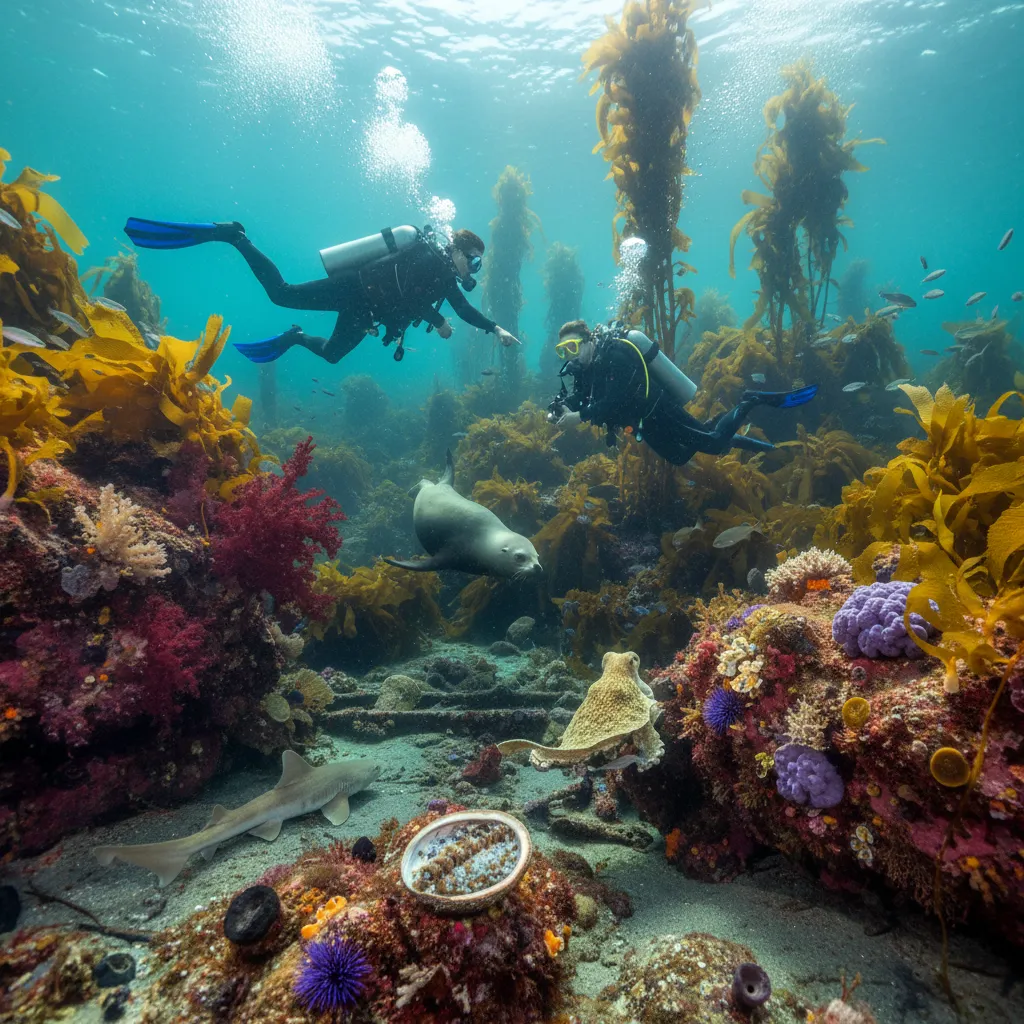

Experience Cape Town's unique Ecklonia maxima kelp forests, globally renowned for thrilling encounters with prehistoric seven-gill sharks. These vibrant, golden underwater forests teem with endemic marine life, offering unparalleled temperate water diving and stunning photographic opportunities.
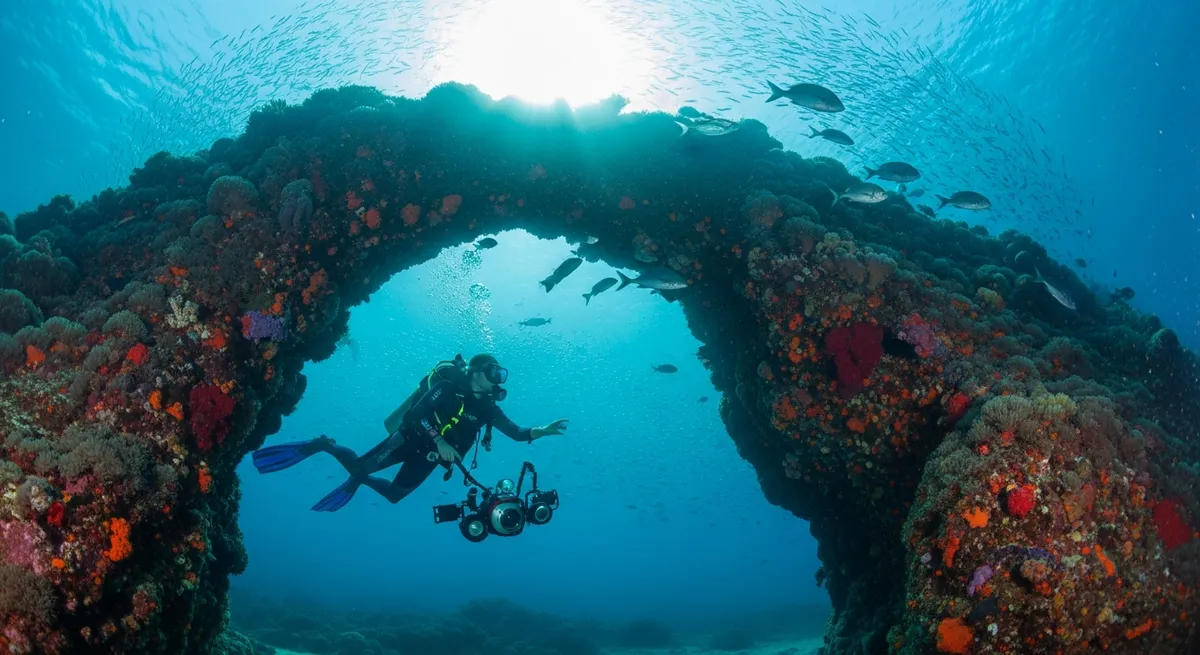

Dive into the breathtaking subtropical kelp forests surrounding the Poor Knights Islands, a world-renowned marine reserve. Expect exceptional visibility as you explore these vibrant underwater gardens, teeming with an incredible diversity of fish and marine life unique to this protected ecosystem. It's an unparalleled kelp forest experience.
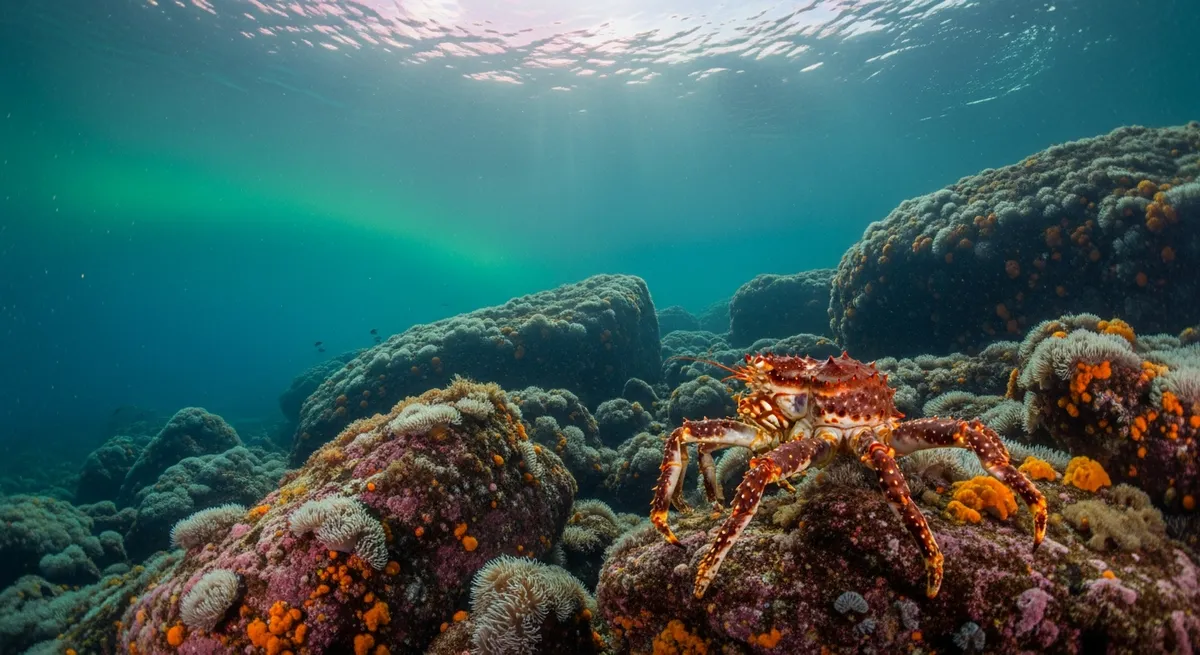

Dive into Lofoten's unique Arctic kelp forests, thriving in spectacularly clear, cold waters. These underwater 'jungles' support rare cold-water species and create dramatic landscapes, offering photographers and adventurous divers an unparalleled sub-Arctic experience.
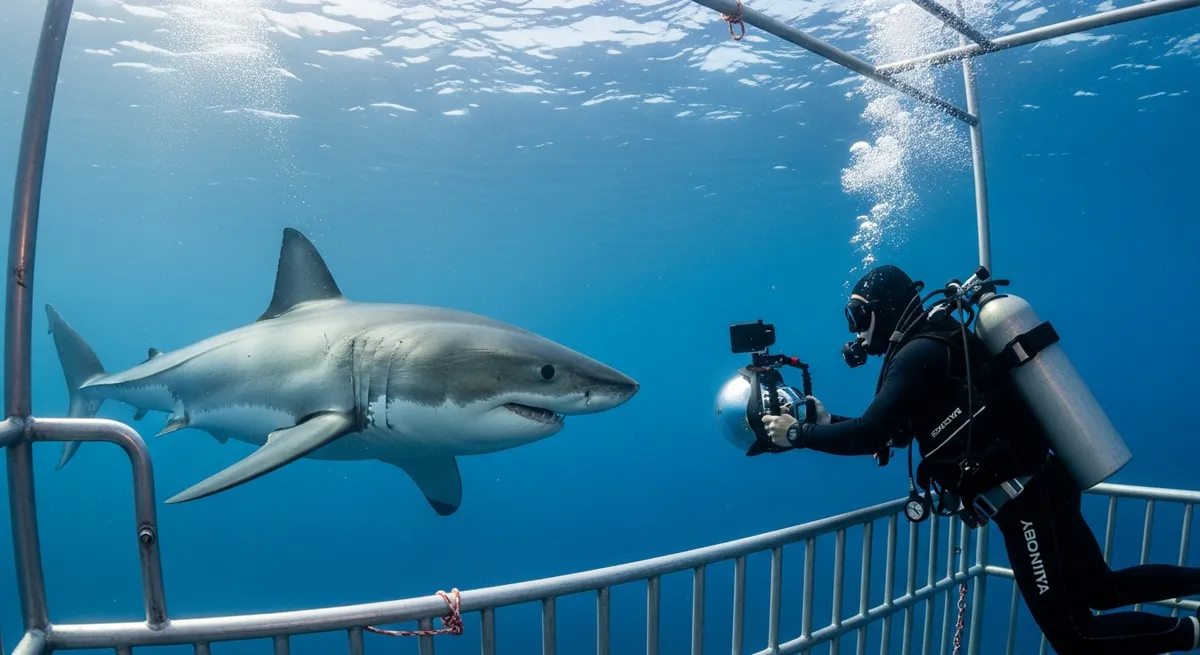

Guadalupe Island's pristine waters host some of the most impressive giant kelp forests, creating a truly majestic underwater cathedral. These towering golden forests provide a unique, dramatic stage for unparalleled great white shark encounters, making it an adrenaline-pumping, world-class destination for kelp forest enthusiasts. Experience the ultimate blend of breathtaking marine flora and apex predator thrills.
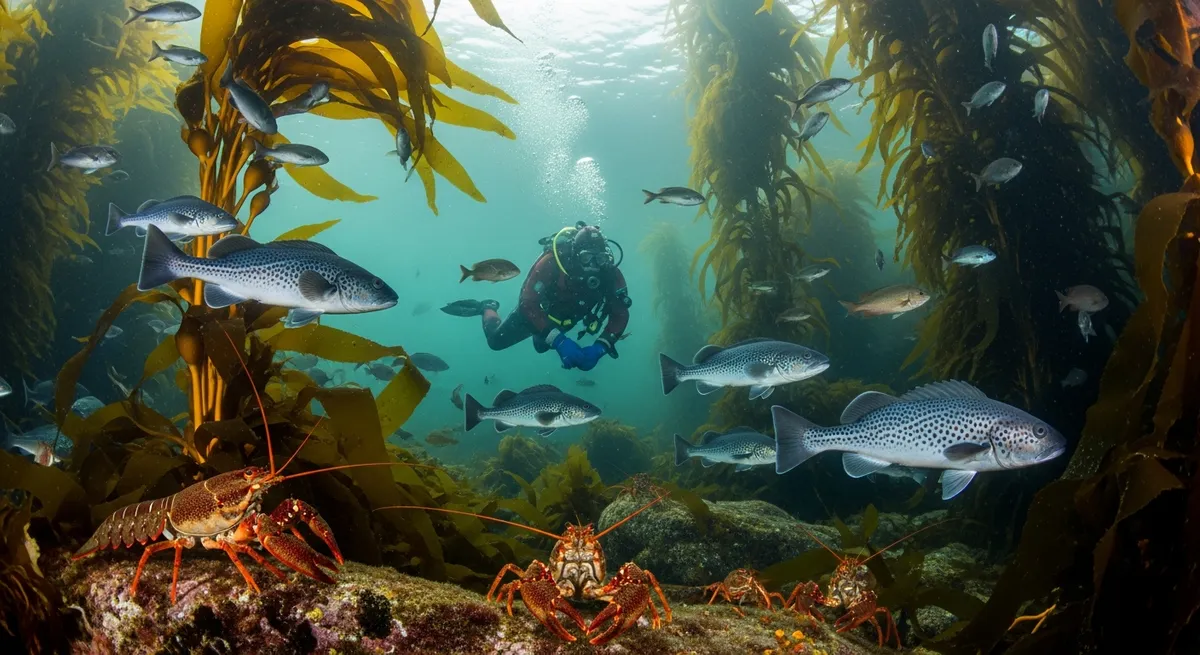
For experienced divers, Stewart Island / Rakiura presents an unparalleled opportunity to explore New Zealand's most extensive and rugged kelp forests. These untamed underwater landscapes promise a wilder, more challenging dive, with vast golden fronds and a rich ecosystem awaiting discovery in the pristine Southern Ocean.
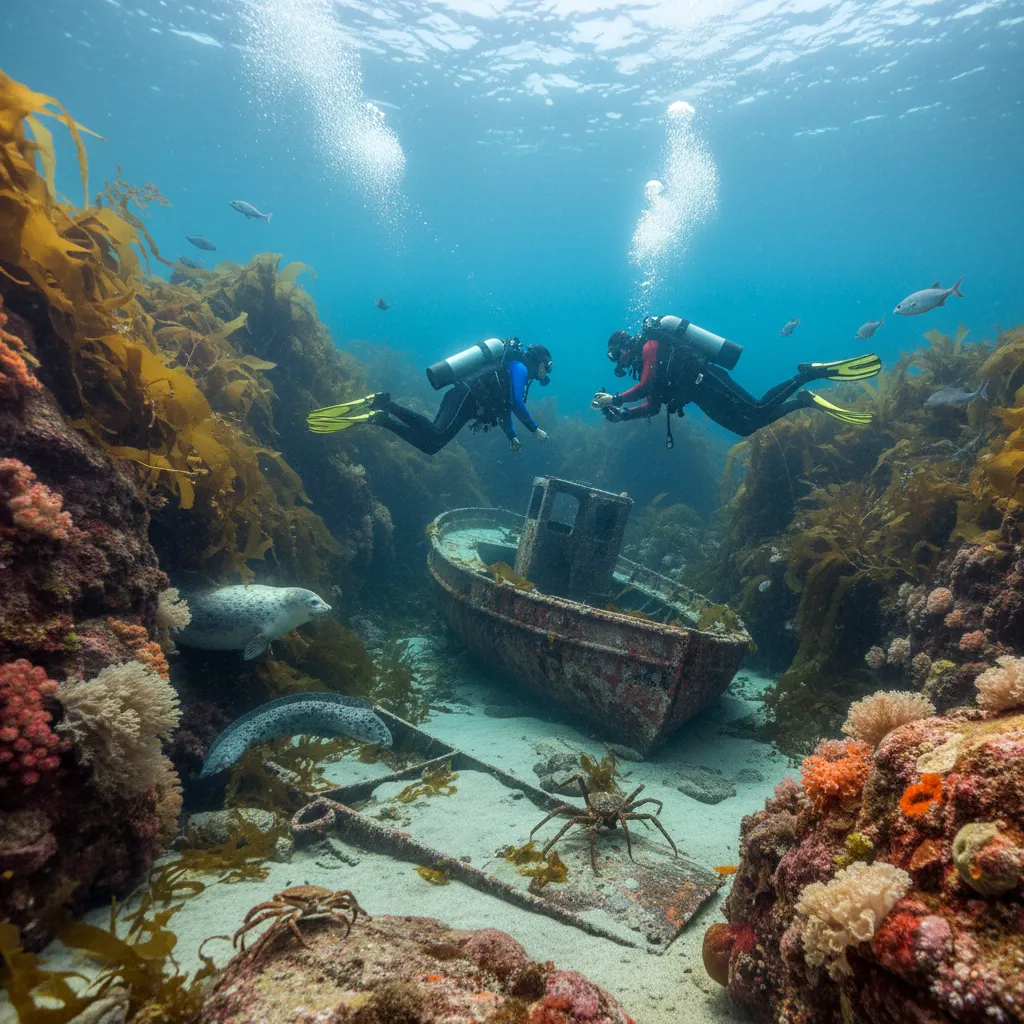
Cornwall & Devon: UK's Vibrant Kelp Forests & Wrecks
United Kingdom
Cornwall & Devon boasts spectacular temperate kelp forest diving, with dense, towering fronds forming dramatic underwater landscapes. Explore vibrant ecosystems teeming with UK marine life amongst these golden forests, often alongside historical shipwrecks. This accessible region provides unforgettable encounters for divers seeking rich coastal exploration.
About This Collection
Kelp forests are among the most productive ecosystems on Earth, rivalling tropical rainforests in biomass production. Giant kelp (Macrocystis pyrifera) can grow up to 60 centimetres per day, reaching lengths of 45 metres or more. The resulting underwater forest creates a three-dimensional habitat from the seabed to the surface, with distinct zones each supporting different communities of marine life.
The west coast of North America, from Alaska to Baja California, hosts the world's most extensive kelp forests. California's Channel Islands and Monterey Bay offer the most accessible kelp forest diving, with established dive operations and marine protected areas that have allowed kelp ecosystems to thrive. South Africa's Cape Peninsula supports a unique kelp forest ecosystem home to cape fur seals, sevengill sharks, and pyjama catsharks.
Kelp forest diving requires different skills than tropical reef diving. Navigation through dense kelp demands awareness of your equipment profile, controlled movement to avoid entanglement, and comfort in reduced visibility. The reward is an immersive, atmospheric experience that many divers describe as the most memorable diving of their lives - especially on days when the light breaks through the canopy and illuminates the forest in gold.