Best Blue Holes for Diving

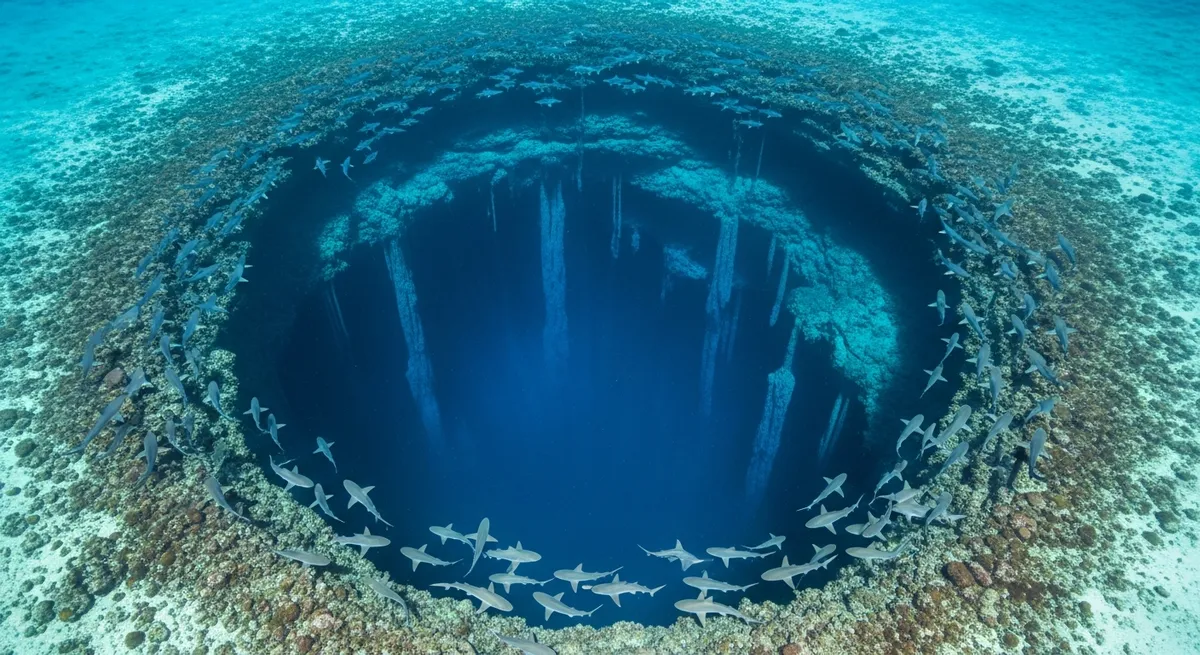
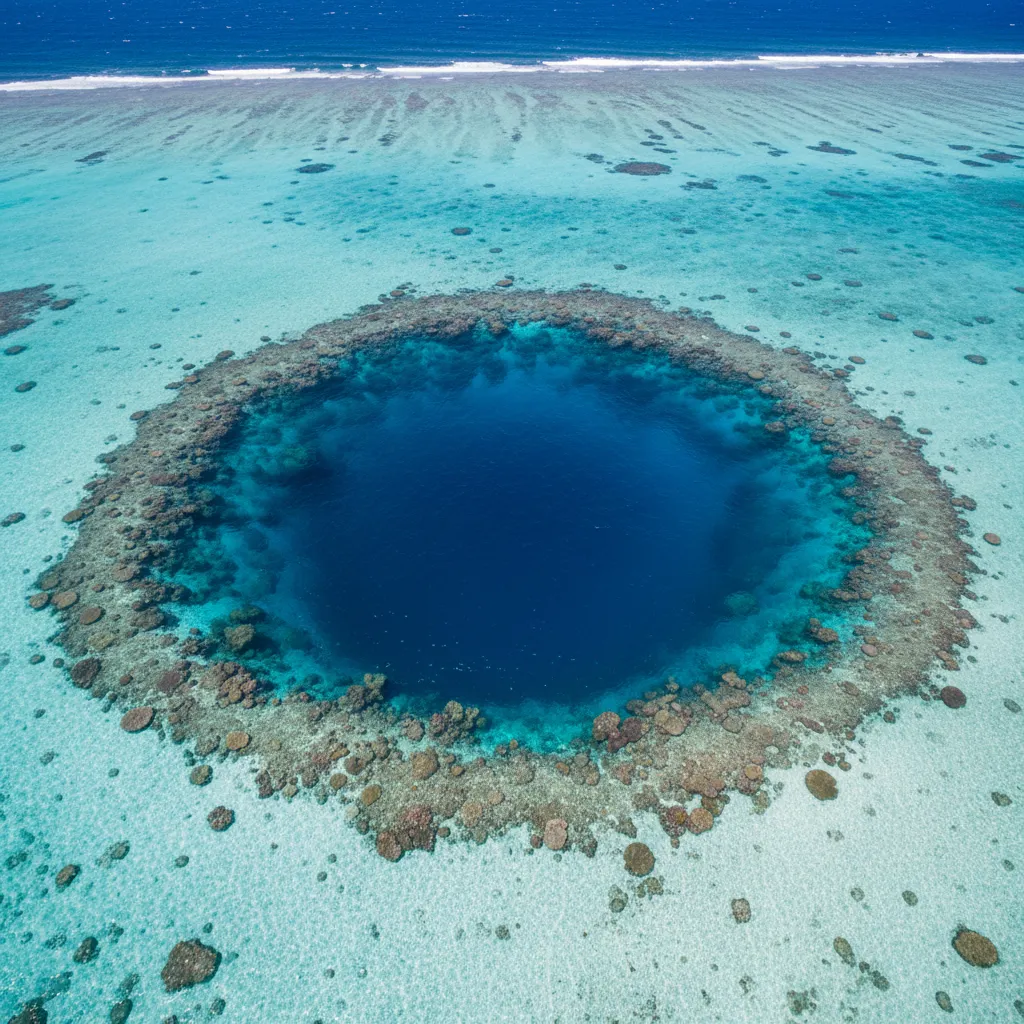
Blue holes are among the most visually dramatic features in the underwater world - circular abysses of deep blue that plunge into the earth from shallow turquoise surroundings. Formed over millennia as limestone caves that collapsed and flooded as sea levels rose, these geological marvels contain ancient stalactites, unique chemistry layers, and ecosystems found nowhere else. Diving into a blue hole is diving into geological time itself, surrounded by formations that were created in open air thousands of years before the ocean claimed them.

What Creates a Blue Hole?

Blue holes are vertical caves or sinkholes that formed during ice ages when sea levels were much lower. Acidic rainwater dissolved limestone rock over millennia, creating caves decorated with stalactites and stalagmites. When sea levels rose at the end of the last ice age, these caves flooded, creating the deep blue windows we see today. The characteristic colour comes from the depth of water - deeper water absorbs red light, leaving only the deep blue wavelengths visible from above.

Diving Blue Holes Safely

Blue holes range from beginner-friendly to extremely dangerous. The shallow rims of most blue holes offer excellent recreational diving with abundant marine life concentrated around the edges. Deeper penetration into blue holes requires technical training - the combination of depth, overhead environments, hydrogen sulfide layers, and potential for narcosis makes deep blue hole diving a serious undertaking. Always dive within your training and certification limits, and dive with operators experienced in the specific blue hole you are visiting.

6 Top Destinations

  1. Great Blue Hole, Belize

    The world's largest ocean blue hole - 300m across, 125m deep - with ancient stalactites at 40m and reef sharks patrolling the rim.

  2. Blue Hole, Dahab, Egypt

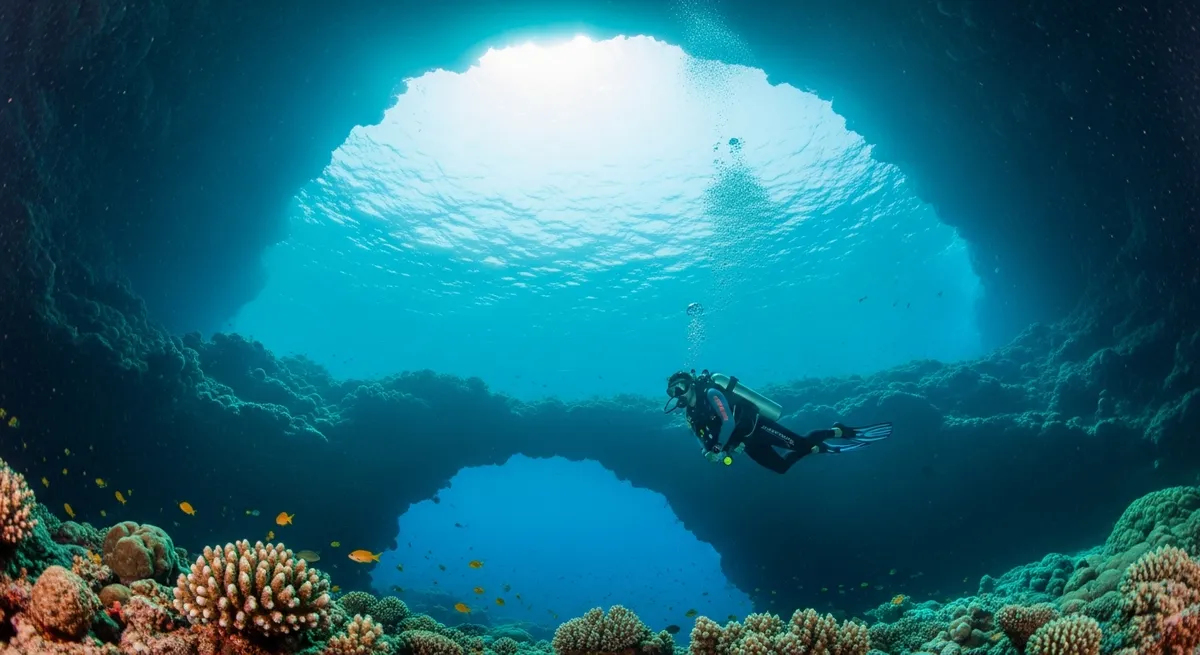
    The world's most-dived blue hole with a notorious 56m arch, vibrant coral rim, and a deep diving culture all its own.
  3. Dean's Blue Hole, Bahamas

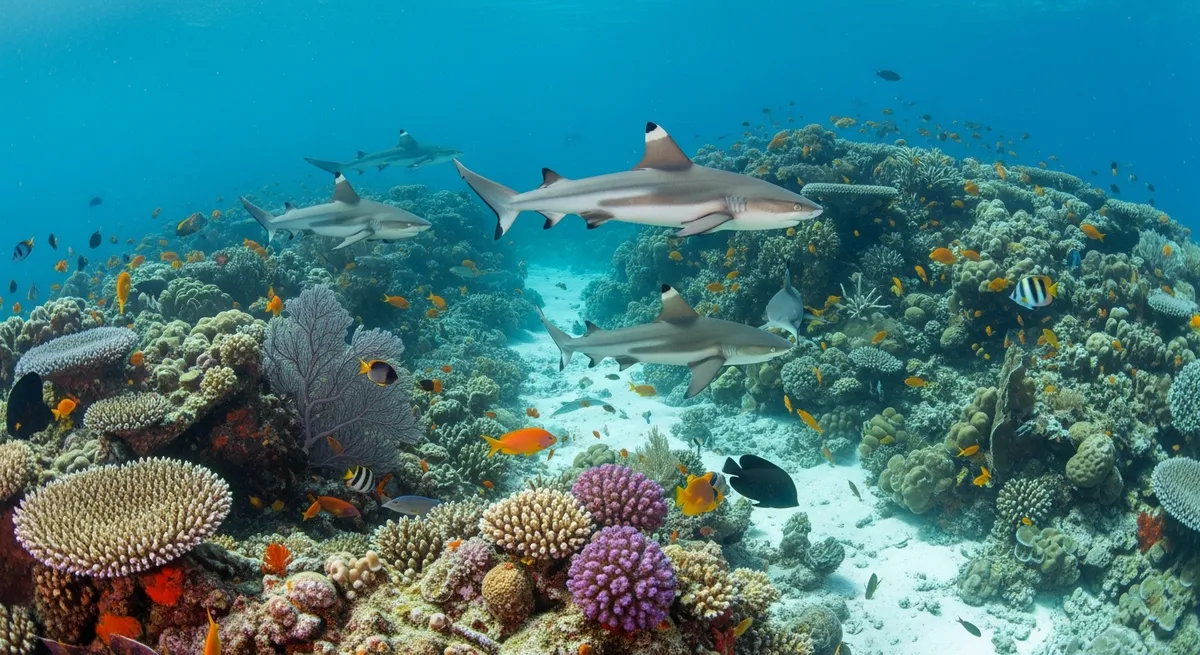
    The deepest known blue hole at 202m - the world's premier freediving competition venue surrounded by turquoise shallows.
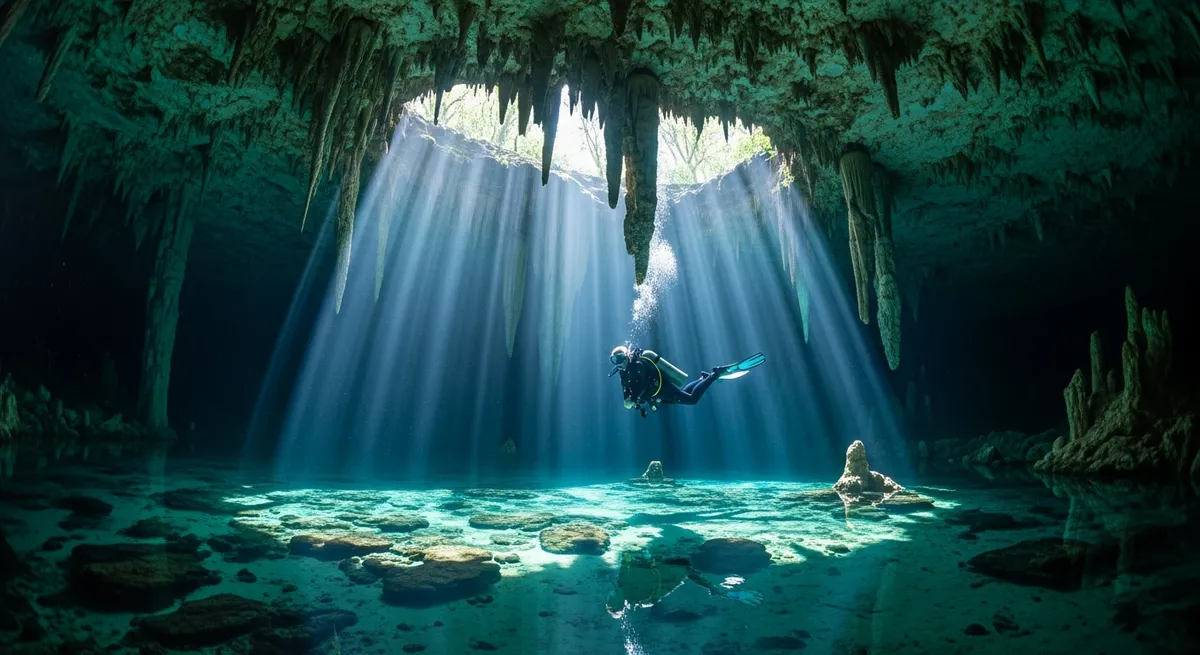

  4. Cenote Blue Holes, Mexico

    Freshwater blue holes opening into the world's longest cave systems, with crystal visibility and ancient geological formations.
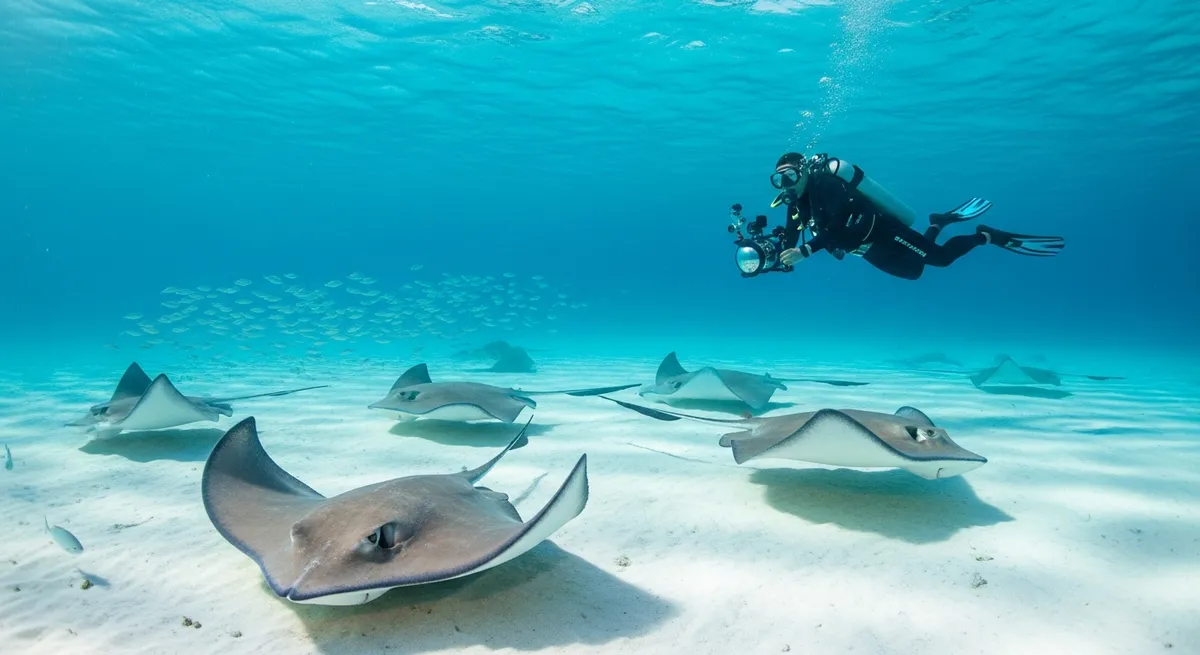
  5. Blue Holes, Grand Cayman

    Multiple inland and ocean blue holes with unique marine life adapted to the specialized blue hole environment.
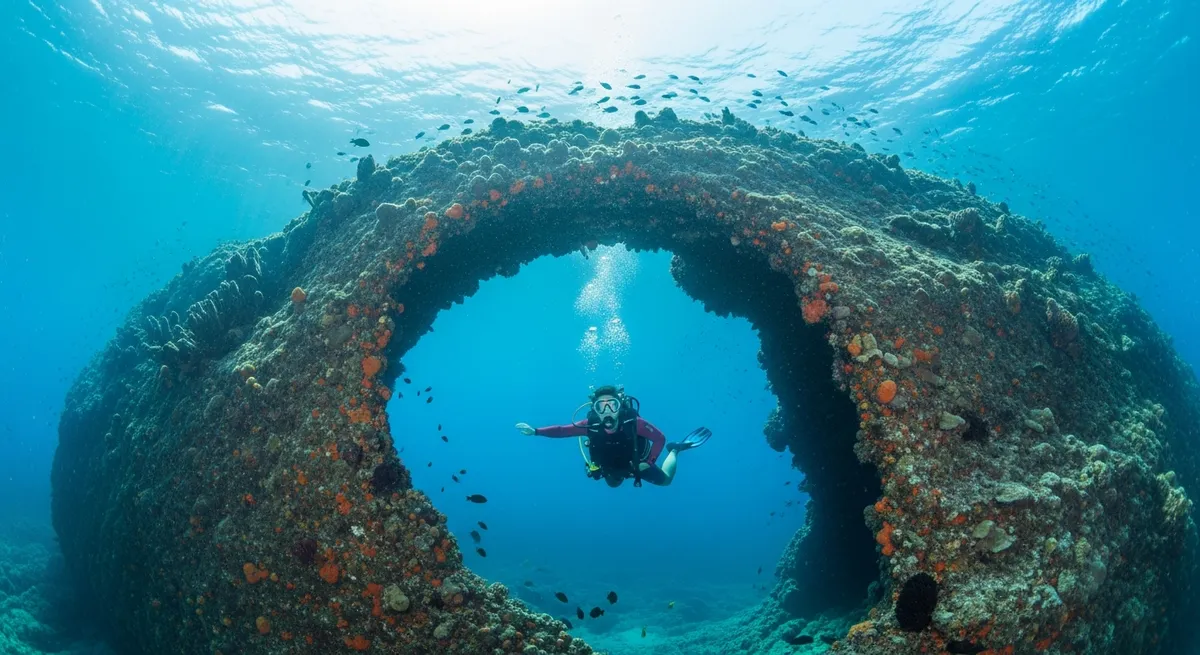

  6. Blue Hole, Gozo, Malta

    Mediterranean blue hole with a dramatic natural arch at 15m, accessible from shore and suitable for all experience levels.

Frequently Asked Questions

What is the most famous blue hole for diving?

The <a href="/region/central-america/belize/lighthouse-reef/great-blue-hole-belize">Great Blue Hole</a> in Belize is the world's most famous, made iconic by Jacques Cousteau's 1971 expedition. It is 300 metres across and 125 metres deep. <a href="/region/red-sea-middle-east/egypt/dahab">Dahab</a>'s Blue Hole in Egypt is the most frequently dived blue hole and has become synonymous with deep diving culture. <a href="/region/caribbean/bahamas/nassau-new-providence/deans-blue-hole">Dean's Blue Hole</a> in the Bahamas is the deepest at 202 metres.

Are blue holes dangerous to dive?

Blue holes can range from perfectly safe recreational dives at their shallow rims to extremely dangerous deep dives. The rims typically feature healthy coral and abundant fish life at safe depths. The danger increases with depth - nitrogen narcosis, hydrogen sulfide layers, and the psychological impact of diving over a bottomless void require proper training and experience.

What certification do I need to dive a blue hole?

The shallow rims of most blue holes (5-30 metres) are accessible with an Open Water or Advanced Open Water certification. Diving to the stalactite formations in the <a href="/region/central-america/belize/lighthouse-reef/great-blue-hole-belize">Great Blue Hole</a> (40 metres) requires Deep Diver certification. Technical diving certifications are needed for anything deeper. Cave certification is required for any horizontal penetration into blue hole cave systems.

When is the best time of year to dive blue holes?

This largely depends on the specific blue hole's location, but generally, the dry season offers calmer seas and better visibility, minimizing surface chop that could affect boat travel. For many tropical blue holes, this means late fall through spring, when hurricane risk is low and water temperatures are pleasant.

What unique underwater conditions should I expect when diving a blue hole?

Divers frequently encounter dramatic haloclines and thermoclines within blue holes, where layers of fresh and saltwater or different temperatures create visible wavy distortions. As you descend, light diminishes rapidly, giving way to profound darkness and revealing ancient geological features formed in prehistoric dry caves.

Do I need any special equipment for diving blue holes?

Yes, due to the low light and unique environments, a primary dive light and a backup light are essential. Depending on the depth and dive plan, redundant air sources (like a pony bottle) and appropriate thermal protection for potential temperature drops within deeper layers are also highly recommended.

How do different blue holes vary in their diving experience?

Blue holes can vary significantly in depth, accessibility, and the specific geological features they present. Some offer vast, open cavern environments with ancient stalactites, while others plunge into narrower shafts or feature unique ecosystems with specialized marine life adapted to their distinct chemistry layers.

What should I budget for a blue hole diving excursion?

Costs typically include boat charters, guide services, and standard tanks/weights, often ranging from $150-$300 USD per diver for a single or two-tank trip, depending on location and duration. Additional expenses can include marine park fees, specialized gas fills (like nitrox), and any rental equipment beyond basic gear.