The Ultimate Dive Trip Packing List
By DivePlnr Editorial Team | Published April 2026 | Updated April 2026
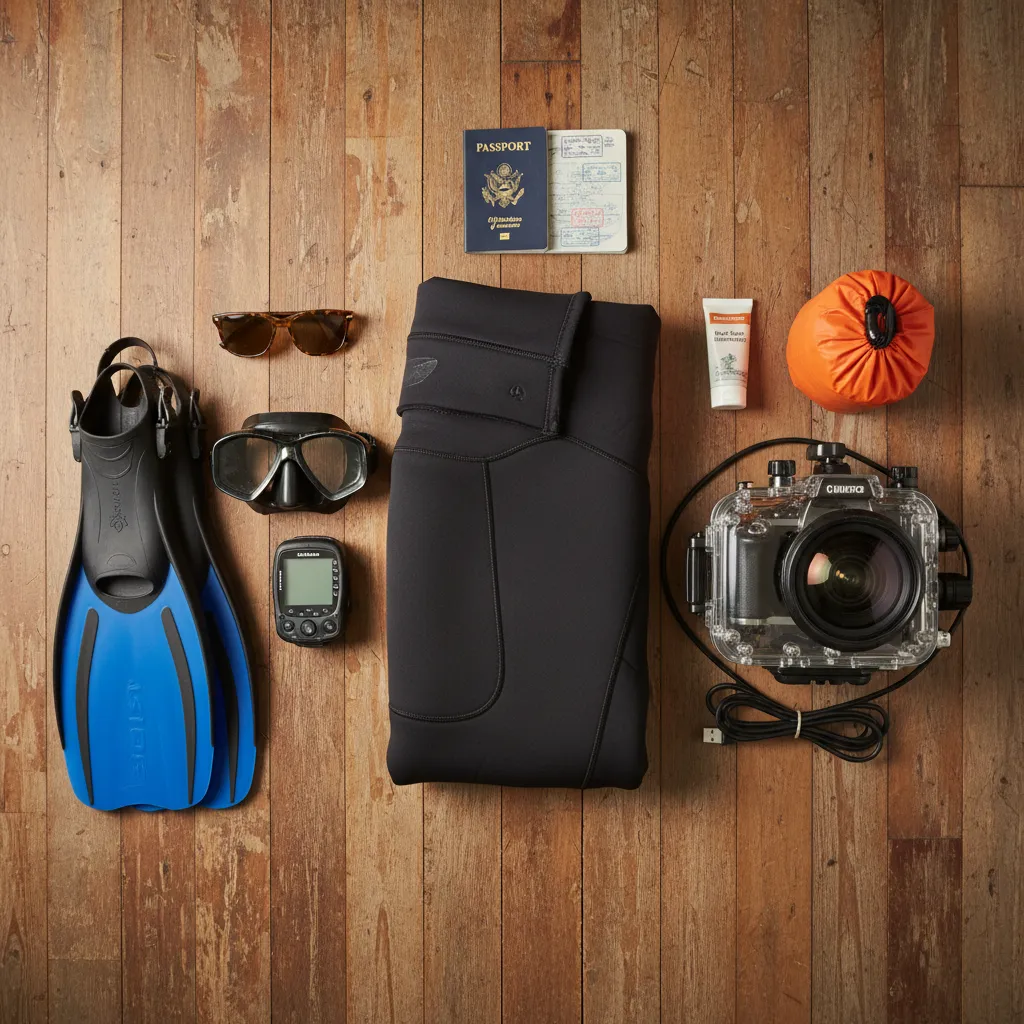
Forgetting your certification card is annoying. Forgetting reef-safe sunscreen means damaging the very ecosystems you came to see. This comprehensive packing list ensures you have everything you need for any dive trip, whether it's a weekend shore-diving getaway or a two-week liveaboard expedition.
Personal Dive Gear - Own vs Rent
You don't need to own everything, but certain items are worth investing in for fit, hygiene, and familiarity. Here's what to prioritise:
Always Own These
- Mask - the most personal piece of dive gear. A mask that fits your face perfectly prevents leaks and fogging. Never rely on rental masks
- Dive computer - your life depends on accurate decompression tracking. Know your own device inside out
- Wetsuit - proper fit makes a bigger difference than thickness. Rental suits are often tired and ill-fitting
Nice to Own
- Fins - personal fins ensure comfort and efficient propulsion, though rental fins are acceptable
- Regulator - owning yours means a mouthpiece that fits, a familiar breathing feel, and guaranteed maintenance history
- BCD - less critical to own unless you dive frequently; rental BCDs are usually serviceable
For a full breakdown, see our essential dive equipment guide.
Safety Equipment - Non-Negotiable
- Surface marker buoy (SMB) - essential for signalling your position to boats during ascent. Don't rely on the dive centre having spares
- Whistle - attach to your BCD. In rough surface conditions, a whistle carries far further than your voice
- Dive torch/flashlight - even for day dives, a small torch reveals colours at depth and is essential for looking into crevices. Mandatory for night dives
- Cutting tool - a small line-cutter or shears for entanglement emergencies
Underwater Camera & Accessories
- Camera/housing - from GoPro ($300) to mirrorless setups ($3,000+), pack what you have
- Spare batteries - cold water drains batteries faster; carry at least two spares
- Memory cards - two 64GB cards minimum for a week of diving
- Silica gel packets - toss a few in your housing between dives to prevent internal fogging
- Lens cloth and O-ring grease - for maintaining housing seals
Travel Essentials
- Reef-safe sunscreen - mineral-based (zinc oxide/titanium dioxide), not chemical. Many destinations now ban oxybenzone and octinoxate
- Dry bag - a 20-30L roll-top bag protects valuables on boats and beaches
- Waterproof phone case - for boat transfers and beach days
- Microfibre towel - quick-drying, compact, and perfect for boat diving
- Seasickness medication - even if you don't usually get seasick, have some just in case. Boats in open water are different from ferries
- Reusable water bottle - staying hydrated reduces DCS risk and many boats have water refill stations
Documentation - Don't Forget These
- Certification cards - physical cards or digital versions in the PADI/SSI app. Download the app and verify it works offline before travel
- Dive log - physical or digital. Some sites require proof of recent experience for advanced dives
- Insurance documents - dive insurance policy number and emergency contact details, printed and digital
- Medical fitness certificate - required by some countries (e.g., Australia, Spain). Check destination requirements before travel
Carry-On vs Checked Bag Strategy
Airlines lose luggage. If your checked bag goes missing for two days, you still want to dive. Pack these in your carry-on:
- Mask (fragile, irreplaceable at short notice)
- Dive computer and torch (lithium batteries must go in carry-on per IATA rules)
- Certification cards and documents
- Medications including seasickness tablets
- Camera bodies and batteries (lithium battery regulation)
Everything else can go in checked luggage. Wetsuits, fins, BCDs, and regulators are bulky but replaceable from rental stock if bags are delayed.
Airline Regulations for Dive Equipment
Dive gear is heavy. Most airlines allow 20-23kg for checked bags. A full dive kit (BCD, regulator, wetsuit, fins) weighs 12-18kg before you add clothes. Consider:
- Purchasing extra baggage allowance in advance (cheaper than at the airport)
- Using lightweight travel-specific BCDs and fins
- Wearing your heaviest items (boots, wetsuit jacket) on the plane in extreme cases
Scuba tanks are never allowed on aircraft - they must be completely empty with valves open or removed, and most divers simply rent tanks at their destination.
Tropical vs Cold Water Additions
Tropical Extras
Rash guard, reef-safe sunscreen, insect repellent, light sarong, and reef shoes for shore entries.
Cold Water Extras
Hood, gloves, boots (5mm+), thermal undergarments, flask for hot drinks between dives, hand warmers, and a changing robe for post-dive warmth.
Liveaboard-Specific Extras
Pack a soft bag (not a hard suitcase - storage space is limited), power strip with USB ports, motion sickness patches, and entertainment for surface intervals. Liveaboard cabins are small - a packing cube system keeps you organised. Read our liveaboard guide for more tips.
Key Takeaways
- 1Always own your mask, dive computer, and wetsuit - these are the three most personal items that impact comfort and safety
- 2Pack mask, computer, torch, camera batteries, and documents in carry-on - airlines lose checked bags and lithium batteries are restricted
- 3Reef-safe mineral sunscreen is now legally required at many dive destinations - pack it from home
- 4A surface marker buoy (SMB) and whistle are non-negotiable safety items every diver should carry
- 5Budget for extra baggage allowance - a full dive kit weighs 12-18kg before you add clothes
Frequently Asked Questions
Can I take my dive knife on a plane?
A dive knife must go in checked luggage, never carry-on. Many divers now prefer blunt-tip line cutters or trauma shears instead - they're more effective for cutting fishing line or kelp (the most common entanglement scenarios) and cause fewer issues at security checkpoints.
Should I bring my own regulator on holiday?
If you own one, yes. Using your own regulator means a familiar breathing feel, a mouthpiece that fits, and certainty about its service history. If you don't own one yet, rental regulators from reputable dive centres are properly maintained and safe to use.
What if the airline loses my dive bag?
With essentials in your carry-on (mask, computer, documents), you can still dive using rental gear. Report the missing bag immediately, keep all receipts for emergency purchases, and contact your travel or dive insurance - most policies cover essential items bought due to delayed luggage. Always tag bags with your destination accommodation details.