Outer Barrier Reef - Great Barrier Reef

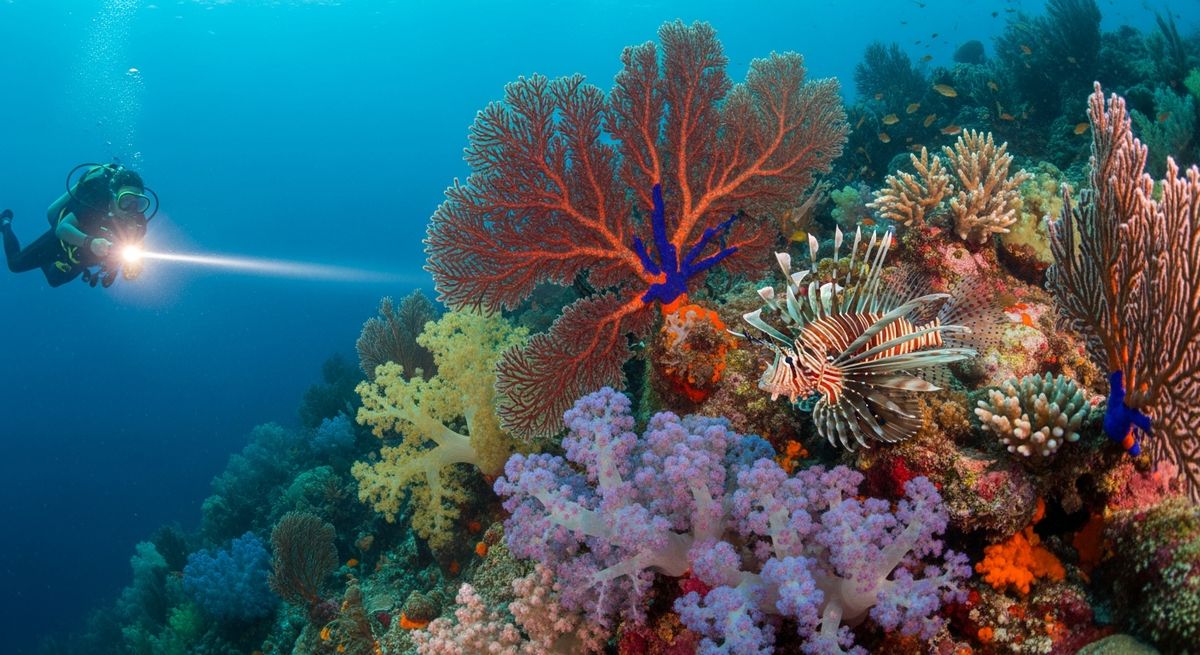
So you're in Cairns, itching to get out on the Great Barrier Reef but short on time? The Outer Barrier Reef trips are your go-to. These spots, a few hours offshore, are where the reef truly opens up to the Coral Sea. You’ll typically see walls dropping into the blue, schools of fusiliers, parrotfish munching on coral, and sometimes a reef shark cruising past. It’s a solid introduction to the outer reef experience, perfect for newer divers or anyone looking for a quick fix of clear water and abundant coral without committing to a multi-day liveaboard further afield. We generally find the visibility here reliably good, especially in the mornings before the winds pick up.

Location
Great Barrier Reef, Australia, Australasia
Coordinates
-15.983300, 145.933300
Type
reef

Best Time to Dive in Great Barrier Reef

The warmest water temperatures in Great Barrier Reef occur in February, averaging 29.5°C. The coolest conditions are in August at 25.0°C.

Monthly Water Temperatures

  • January: 29.4°C
  • February: 29.5°C
  • March: 29.2°C
  • April: 28.4°C
  • May: 26.9°C
  • June: 25.8°C
  • July: 25.1°C
  • August: 25.0°C
  • September: 25.4°C
  • October: 26.6°C
  • November: 27.7°C
  • December: 29.0°C

Nearby Dive Sites in Great Barrier Reef

Nearest Dive Centres to Outer Barrier Reef

Marine Life in Great Barrier Reef

Home to 163 recorded species including 88 reef fish, 61 hard corals, 9 seagrass & algae, 2 sharks & rays, 1 starfish, 1 sea snails & nudibranchs.

Notable Species

Recommended Packing List for Outer Barrier Reef

Based on average water temperature of 27.3°C, currents 17 cm/s.

  • Shorty or Rashguard - warm 27°C water needs minimal exposure protection
  • Mask - essential for every dive
  • Fins
  • BCD - buoyancy compensator
  • Regulator - your most safety-critical piece of gear
  • Dive Computer - tracks depth, time, and NDL
  • Surface Marker Buoy (SMB) - essential for boat pickups
  • Dive Torch - useful for crevices and colour at depth
  • Underwater Camera - capture your diving memories

Frequently Asked Questions

What are the typical diving depths at the Outer Barrier Reef dive sites?
The specific typical diving depths for the Outer Barrier Reef dive sites are not explicitly provided in the available data. However, the area is characterized by drop-offs and channels, indicating a range from shallower coral gardens to deeper sections where the sheltered coastal waters give way to the deep, clear blue of the Coral Sea. Divers should consult with their liveaboard operator for site-specific depth information.
What kind of marine life and corals can I expect to see when diving the Outer Barrier Reef?
The Outer Barrier Reef is a vibrant network of reefs and coral cays, offering divers an introduction to this underwater kingdom. You can expect to explore diverse coral formations, including extensive coral gardens, drop-offs, and channels. While specific marine life is not detailed, the rich reef environment typically supports a wide array of tropical species.
How difficult is diving at the Outer Barrier Reef, and is it suitable for beginners?
Diving at the Outer Barrier Reef is generally considered intermediate in difficulty. However, it is explicitly suitable for beginners and students, offering an excellent introduction to the Great Barrier Reef's underwater kingdom. Liveaboard trips from Cairns cater to those new to diving or seeking a shorter, accessible experience.
What is the best time of year to dive the Outer Barrier Reef for optimal conditions and marine life sightings?
The provided data does not specify the best time of year to dive the Outer Barrier Reef for optimal conditions or marine life sightings. For general guidance on seasonality and conditions in the Great Barrier Reef, it is recommended to consult a comprehensive when to dive resource.
What dive certifications are required to dive the Outer Barrier Reef?
The Outer Barrier Reef is suitable for beginners and students, indicating that entry-level dive certifications are generally accepted. For specific certification requirements, especially for more challenging sites or deeper dives within the intermediate difficulty range, it is best to confirm directly with your chosen liveaboard operator from Cairns.
What are the typical water conditions, currents, and visibility like when diving the Outer Barrier Reef?
When diving the Outer Barrier Reef, you can expect to experience the deep, clear blue waters of the Coral Sea. The area marks a transition from sheltered coastal waters, suggesting generally good visibility. Specific details on currents are not provided, but divers should always be prepared for varying conditions typical of an outer reef environment.