
Diving in Australia
Why dive here
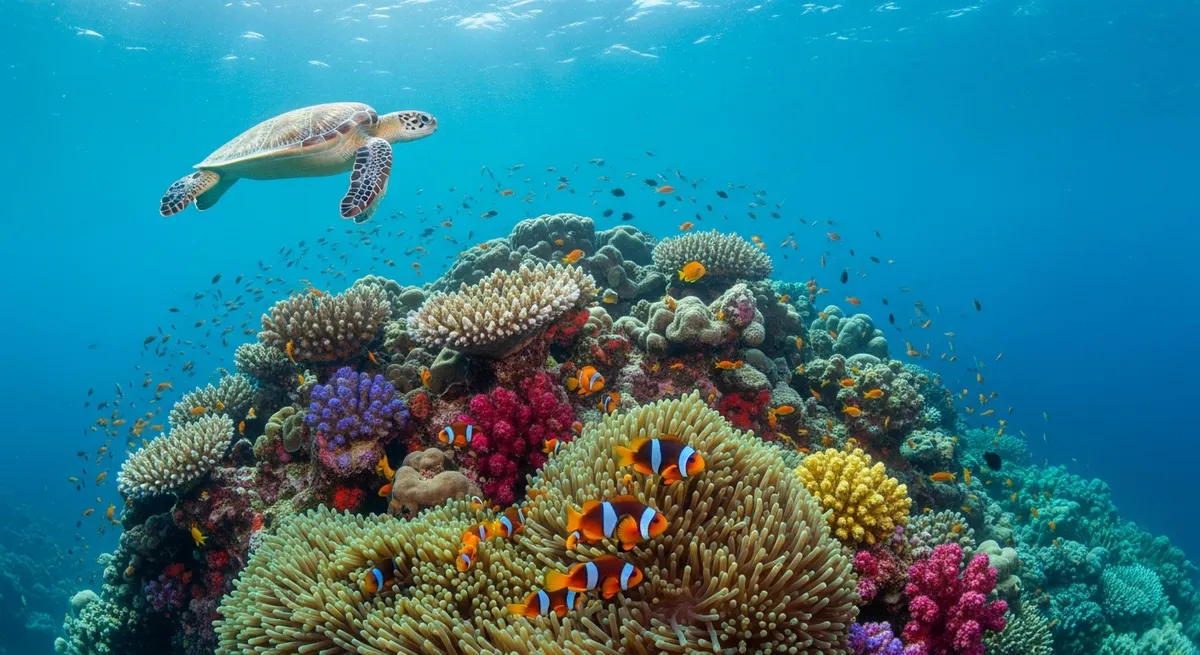
Australia offers rich diving, with 717+ marine species recorded in its waters - including barracuda, blacktip reef sharks, blue sharks, blue whales and bull sharks. Water ranges 21-26°C, warmest January, February, March.
Australia isn't just the Great Barrier Reef, though that sprawling wonder certainly deserves its reputation. We're talking a continent that stretches from the tropical north, where whale sharks cruise Ningaloo and the Coral Sea's walls drop into the abyss, all the way to the chilly southern waters where leafy sea dragons drift amongst kelp forests. For us, the sheer variety is what truly sets it apart; you could spend a lifetime exploring and still find new things. If you’re planning a trip, consider splitting your time. The northern reef systems, like the GBR and Coral Sea, are best in the dry season (June-October) offering consistent conditions and big pelagics. But don't overlook South Australia for its dramatic wrecks and unique temperate species, or Western Australia for its remote, pristine atolls like the Rowley Shoals - a truly wild experience for the adventurous. Just be prepared for long journeys; Australia is vast, and getting to some of the best spots takes time and effort, but we promise, it’s always worth it.
Australia Dive Regions Map
Australia Dive Regions
12 diving areas in Australia
Christmas Island
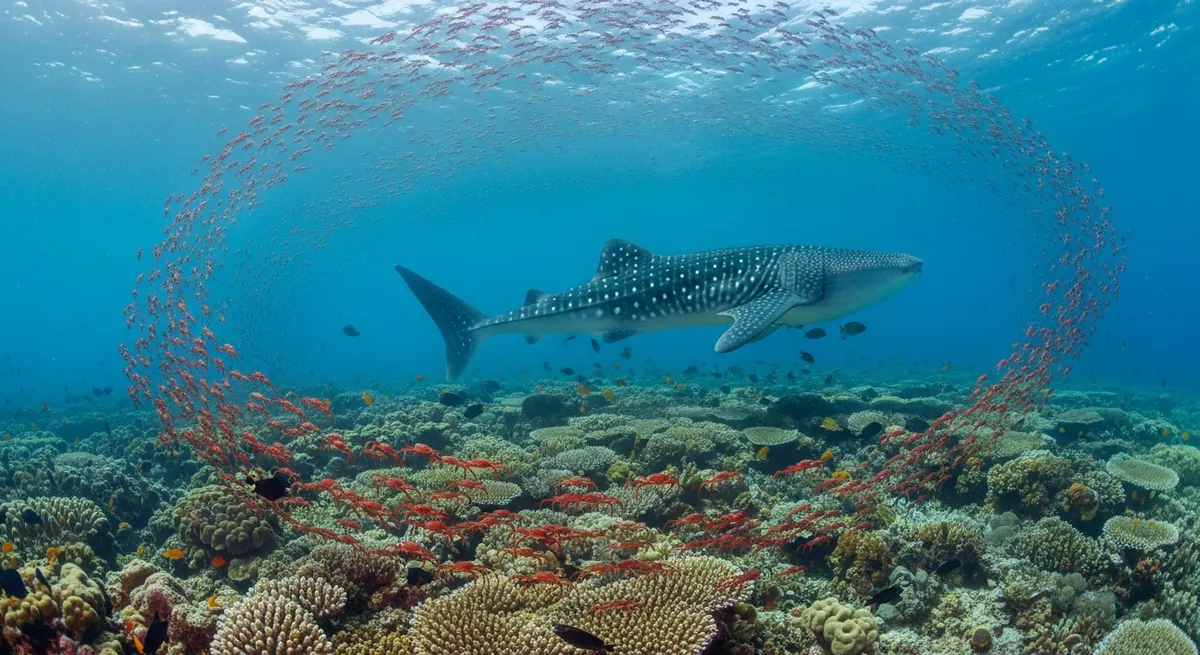
Christmas Island, out in the Indian Ocean, is a place that feels genuinely remote. We love a good wall dive, and these aren’t just any walls. They drop sharply, often to absurd depths, straight into the abyss. It’s where you’ll often find yourself eye-to-eye with a Gray Reef Shark patrolling the blue, or just hanging out watching the thermocline ripple past. The real magic here, though, is the sheer scale. We’ve seen whale sharks cruise by so close you could feel the displacement of water, and manta rays glide past like silent alien spacecraft. The reefs themselves are a healthy mix of Staghorn and Montipora corals, often punctuated by enormous Corrugated corals that just demand a closer look. Our favourite is spotting the Desjardin's Sailfin Tangs, their dorsal fins almost comically large as they nibble at the reef. Keep an eye out for the smaller stuff too, like the vibrant Zebra Blenny popping out of its hole. Current can be a factor, so be prepared for some serious drift dives along those incredible walls.
Cocos (Keeling) Islands
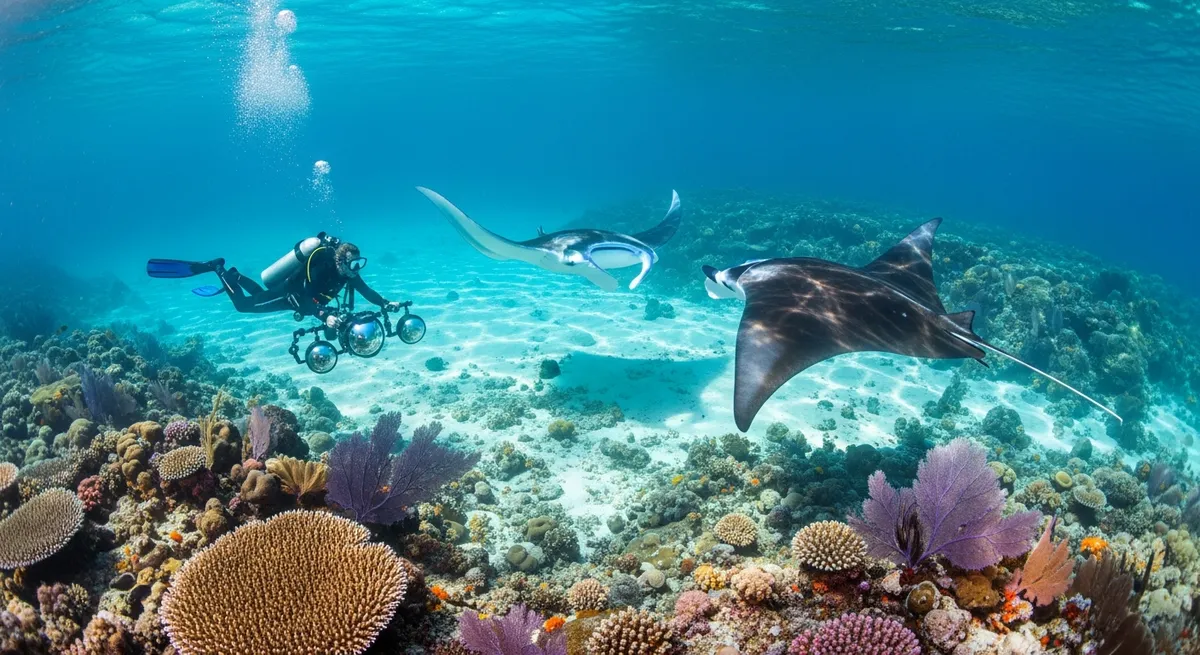
Cocos Keeling. You’ll say it with a sigh after you’ve been. This isn't your everyday Australian dive trip; it's a commitment, a journey into true Indian Ocean remoteness. With just one dive centre and 37 sites, you get a real sense of exclusivity. We love the drift dives here, a gentle push over reef walls where lineated butterflyfish and two-tone wrasse flit past in impressive numbers. Visibility holds strong, often pushing past 25 metres, giving you ample time to spot the more unusual residents like the black spotted garden eels swaying in unison from the sand flats. Our favourite moments often involve the manta rays gliding silently overhead or the playful dolphins that sometimes join your safety stop. The stony corals here, particularly the staghorn and leaf varieties, are remarkably healthy, painting the reef in subtle, earthy tones. It’s a place to slow down, to really observe. Be aware, strong currents can pick up, so listen to the local guides; they know the eddies and the best times to hit a site for a relaxed drift. It’s a real frontier feeling, without the crowds.
Coral Sea
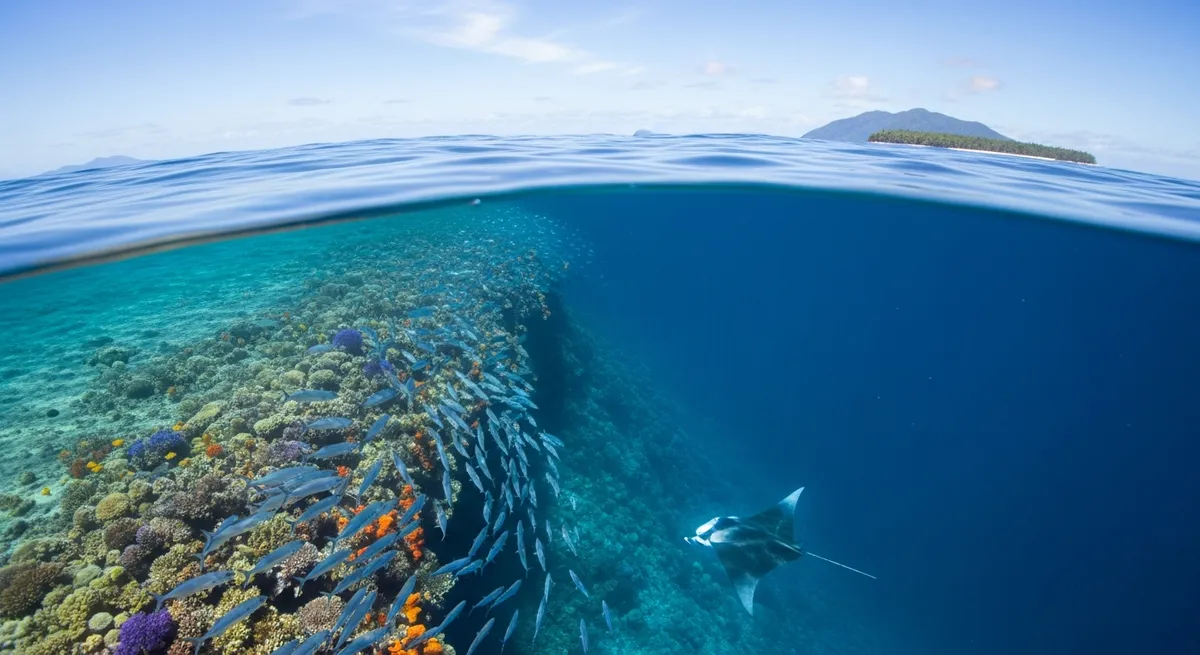
The Coral Sea is where we go when we want to feel small, truly insignificant, in the best possible way. This isn't your average shore dive; we're talking remote pinnacles erupting from thousands of metres of blue, sometimes with a fair bit of current to keep things interesting. Our pick is Osprey Reef, specifically North Horn. You descend into what feels like a natural amphitheatre, and then the grey reef sharks start to appear, not in a frantic feeding frenzy, but circling, curious, in an almost balletic display. We love the sheer scale of the walls here, often adorned with huge colonies of Montipora and Galaxea coral. Keep an eye out for enormous Humpnose Unicornfish cruising the deeper sections and those pretty Line Butterflyfish fluttering in the shallows. Diving Osprey in the Australian winter (June to August) often brings clearer water and a slightly better chance of pelagics, though the thermocline can be noticeable. Expect deep blue, serious visibility, and the kind of wide-angle photography opportunities that fill entire memory cards. It’s wild, proper open ocean stuff.
Great Barrier Reef
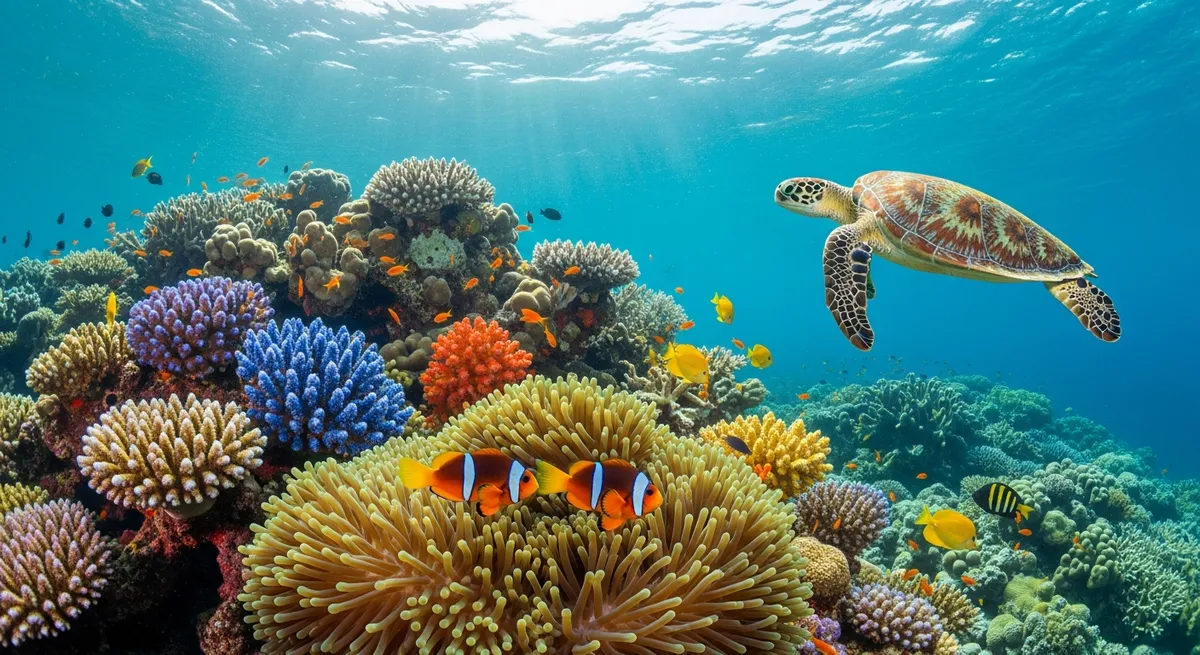
Okay, let’s be real. The Great Barrier Reef is enormous. We're talking 2,300 kilometres of reef. So when people ask what diving is like here, our honest answer is, "Which bit?" What we love, though, is how accessible so much of it is, especially for new divers. The sheer scale means you're almost guaranteed to find a spot that clicks, whether you’re easing into a shallow reef or drifting along a deeper wall. You'll spend most dives finning over gentle slopes thick with Flowerpot and Turbinaria corals, where schools of Princess Parrotfish graze with almost cartoonish indifference. Keep an eye out for the Flashlight Fish, a personal favourite, with its bioluminescent eye patches. Visibility often pushes past 20 metres, giving you a chance to really soak in the colours. Our tip: if you’re coming between June and August, look into trips north of Cairns. That’s when the dwarf minke whales roll through. Hearing their calls underwater is something else, a low hum that vibrates through your chest. It’s a truly humbling experience to be in the water with them. The currents are generally mild, but a few of the outer sites can have a gentle push, perfect for a relaxed drift past silver-cheeked toadfish.
Lord Howe Island
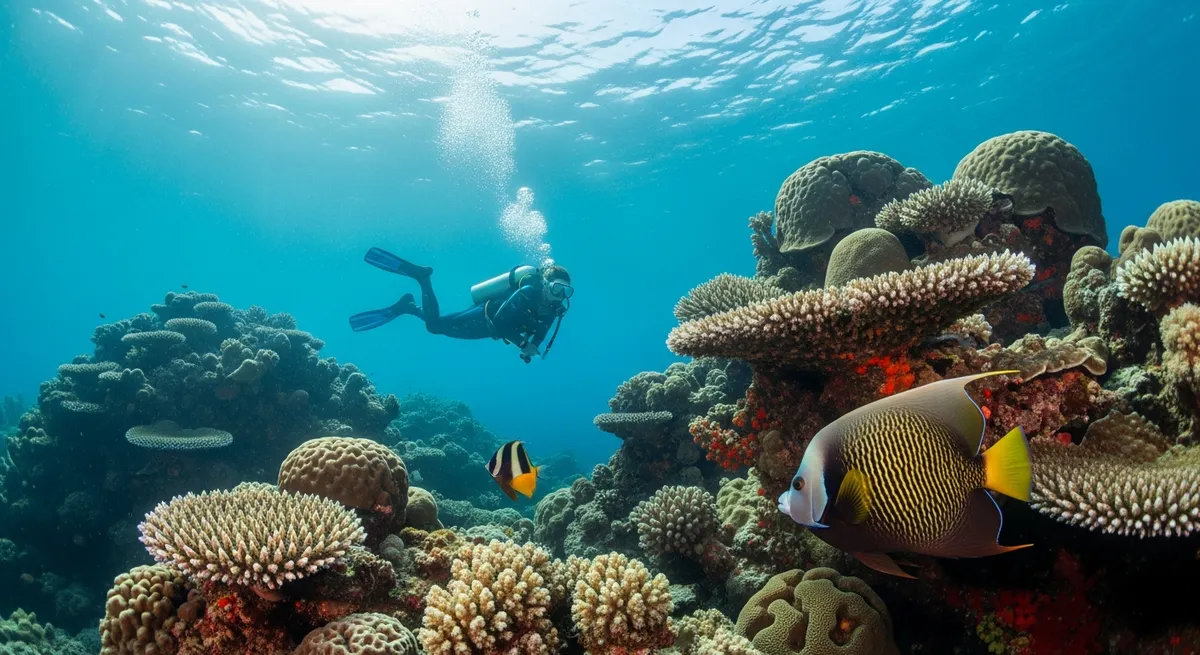
Lord Howe Island, a speck of volcanic rock way out in the Tasman Sea, feels like stepping back in time. It’s the world’s southernmost coral reef, and that alone makes it special. We love the drift dives, letting the current carry you over healthy corals, a surprising mix of tropical and temperate species. You’ll spot greenback stingarees tucked under ledges and rusty catsharks cruising the seafloor. Visibility here is often ridiculously good, making the pinnacles like Ball’s Pyramid feel even more dramatic as they rise from the deep. Our favourite time to visit is during the cooler months when the water is crisp and the pelagics are more active. Keep an eye out for snapper and dory darting amongst the schools of Pacific sardines. It's a proper adventure to get here, but completely worth it for the quiet, uncrowded diving and that unique blend of marine life.
Ningaloo Reef
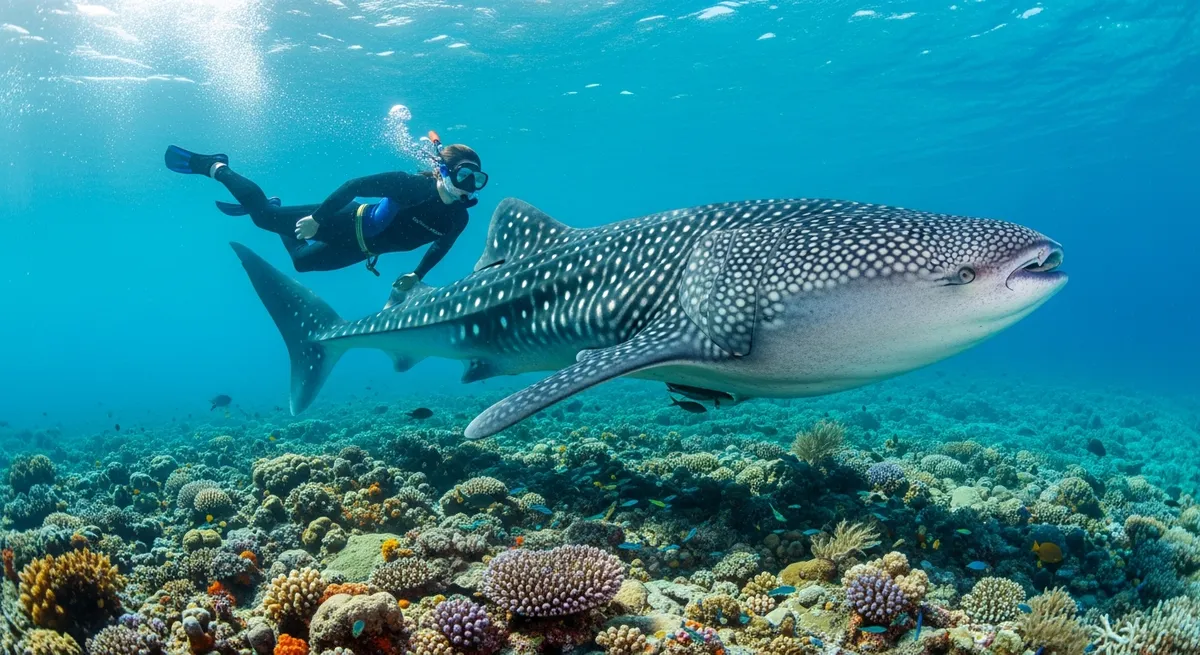
Ningaloo Reef really delivers on the promise of an accessible fringing reef. We’ve had some fantastic encounters here, particularly between March and July when the whale sharks are in town, gliding past with surprising grace. Beyond the big fellas, expect to drift over reefs thick with fusiliers, spot the occasional tiger shark cruising through, and keep an eye out for banded toadfish tucked into crevices. Visibility often hits 20 metres or more, making it easy to watch the little pied cormorants dart past. The conditions generally stay pretty calm, making it a good spot for a relaxed few dives.
Rowley Shoals
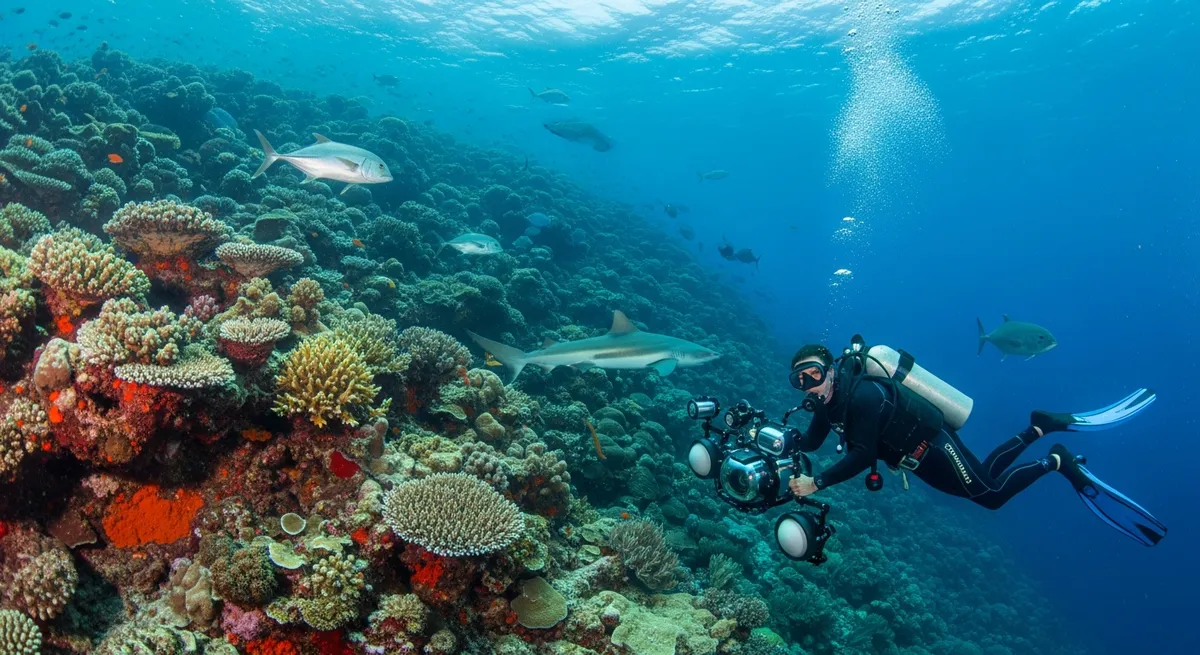
Rowley Shoals is a commitment, pure and simple. You’re sailing 300km off the Kimberley coast, so this isn't a quick hop. What you get in return, though, is some of Australia’s most vibrant, remote reef diving. We love the sheer energy here, the way the currents sweep through the atolls, bringing in pelagics and keeping the coral in exceptional condition. Visibility is often absurd, 30 meters plus, making those deep walls even more dramatic. We've seen schools of fusiliers so thick they momentarily block out the sun, and the sheer number of parrotfish, like the Batavian, munching on coral is impressive. Keep an eye out for the smaller stuff too, we’ve spotted Moorea Pygmygobies tucked away if you look carefully. The best time to visit is during the calmer months, typically September to November, when the ocean swells are less pronounced, making those liveaboard journeys much more comfortable. Don't expect dive shops, this is expedition diving.
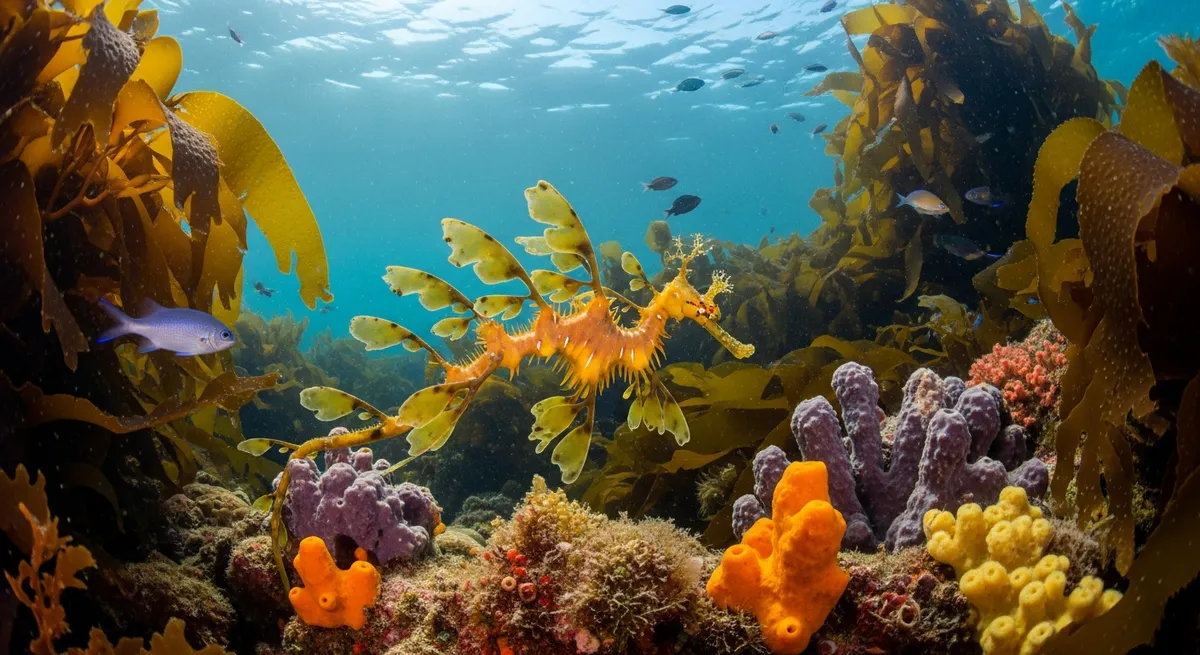
South Australia
If you’re seeking something truly unique in Australian waters, South Australia delivers. Forget what you think you know about Aussie diving; this isn't about tropical sun and rainbow reefs. Here, it’s about the drama of the deep, the thrill of the hunt, and some truly bizarre, beautiful critters you won’t find elsewhere. We love the chillier waters here, particularly for the sheer diversity of temperate species. Our absolute favourite has to be the annual giant cuttlefish aggregation off Whyalla. Imagine thousands of these intelligent chameleons putting on a courtship display, flashing colours from iridescent blues to deep purples, swirling and battling for mates. It’s an otherworldly spectacle, best experienced between May and August, though dress warm for the surface interval. For something a little less dramatic but equally captivating, Rapid Bay Jetty offers incredible macro opportunities. Look closely among the pylons and you might spot the elusive leafy sea dragon, swaying gently like kelp. The surge can be a bit much sometimes, but the reward is worth the patient entry. And yes, if you’re feeling brave, the Great White shark cage diving here is as intense as it sounds. We’d suggest a few stiff drinks afterwards, but it's an undeniable adrenaline rush.
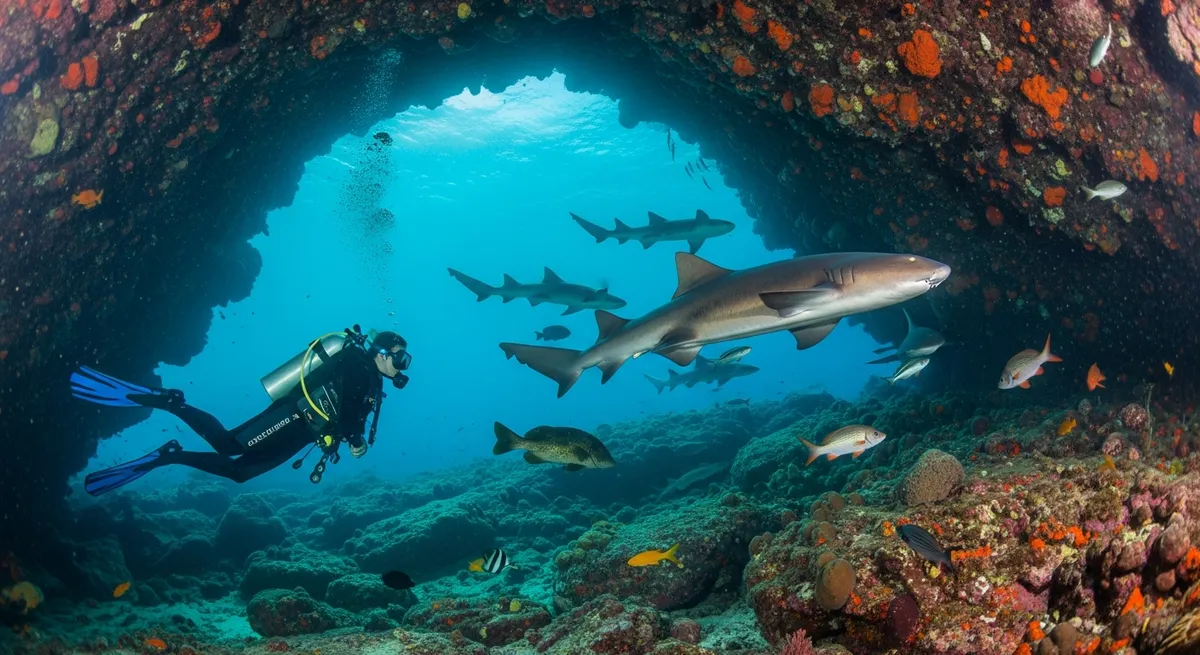
Sydney & New South Wales
Forget everything you think you know about Australian diving outside the tropics. Sydney and regional New South Wales serve up some truly unique experiences. We love the dramatic topography; think caves, pinnacles, and walls carved by ancient currents, all blanketed in temperate corals and sponges. This is a place for the macro enthusiast, where you can spend an hour combing a single patch of kelp for pygmy pipehorses or the elusive weedy sea dragon. Our favourite spots often involve a bit of a journey. Fish Rock Cave near South West Rocks is a non-negotiable, a grey nurse shark highway in an enormous tunnel. Diving through it, with the sharks gliding past, feels like entering another world. Or head to Kurnell in Botany Bay for guaranteed weedy sea dragon sightings, often in surprisingly shallow water, the light filtering through the kelp. Wreck divers will find plenty to keep them busy too, from historic tugboats to naval vessels. The visibility can vary quite a bit, but when it's good, it’s stunning, and even on an average day, the sheer density of small critters makes up for it. Winter brings clearer water and the chance of migrating pelagics, while summer warms things up, making for longer bottom times. Just be prepared for cooler water temperatures year-round - a decent 7mm suit is your friend here.
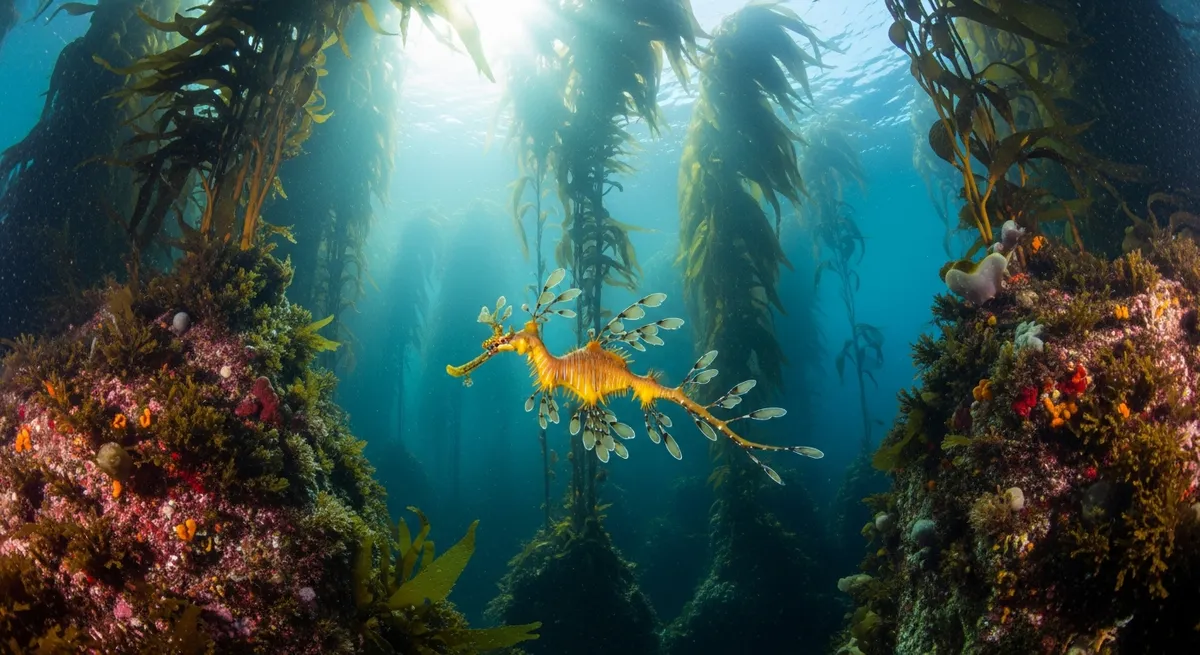
Tasmania
Dramatic kelp forests, weedy sea dragons, and pristine temperate reefs.
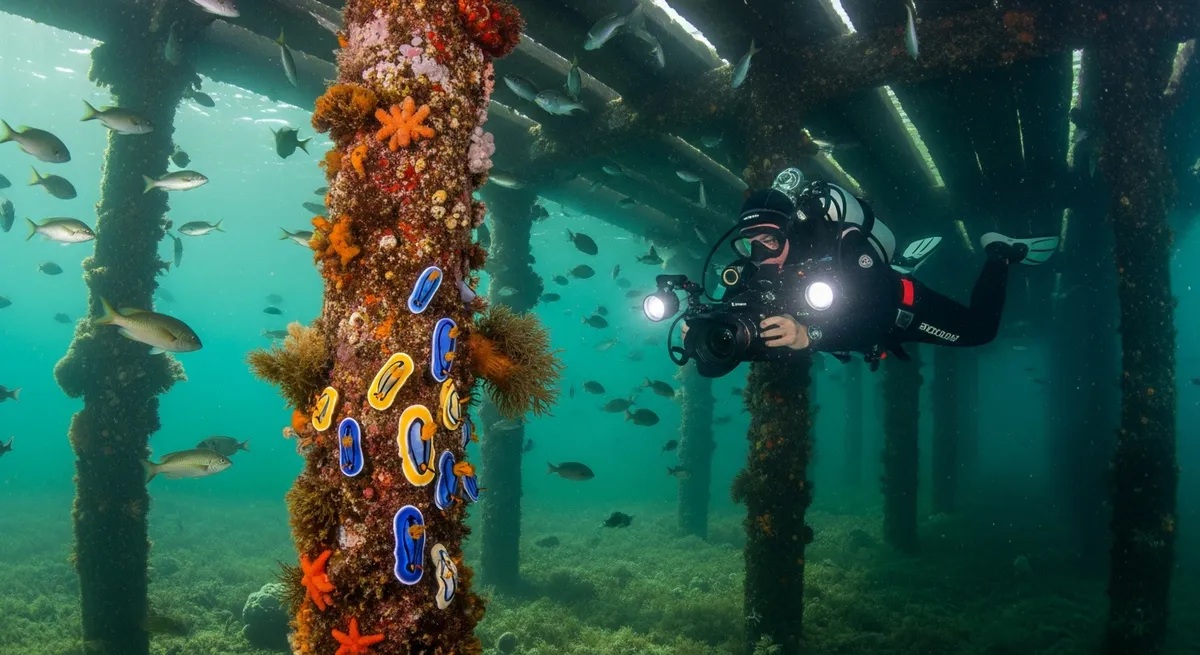
Victoria
Port Phillip Bay's piers and artificial reefs, weedy sea dragons at Flinders, and the Shipwreck Coast. Melbourne divers enjoy year-round temperate diving.
Western Australia - South
We often talk about WA’s north, but the south coast is a completely different beast, and honestly, we love it for its wild, rugged charm. This isn’t your typical tropical reef diving, and that’s precisely its appeal. Think cooler waters, dramatic granite formations, and a rawness that feels truly Australian. Our favourite spots are dotted along the coast. Albany’s HMAS Perth wreck is a proper adventure, a large, intact vessel that feels like a ghost ship as you swim through its corridors. Visibility can vary, but on a good day, the light shafts piercing through are incredible, and the deck guns are always a photo op. Further east, Bremer Bay is where the true magic happens, specifically for orcas. If you hit it right, usually between January and April, you’ll be out on the water, watching these majestic predators hunt. We’ve seen full breaching and tail slapping; it’s genuinely humbling. You might even find some mako sharks cruising the deeper waters. Esperance offers something a bit gentler, with stunningly clear water over granite reefs, perfect for a relaxed dive. We’d suggest keeping an eye out for the endemic species like the Blue Rock Whiting here; they’re quite pretty against the pink granite. While not traditionally known for its "colourful" reefs, the sheer scale of the granite formations and the unique temperate species make this region a standout for those looking beyond the usual.
Ocean Wildlife in Australia
717 species recorded in Australia
Australia Visa Requirements
Check if you need a visa to dive in Australia
Plan & book
Ways to dive Australia, from day trips to liveaboards.
Day trips & courses
via GetYourGuideGuided dives, courses and snorkel trips with instant booking.
Find dive trips in AustraliaPlaces to stay
via Booking.comHotels and dive resorts near Australia.
Search stays in AustraliaDive insurance
Most travel insurance excludes or limits scuba. Check what you need before you go.
Dive insurance explainedPartner links: we may earn a commission if you book, at no extra cost to you. How we make money