Lee Breakwater
Protected Area
Sugar Loaf Islands
Why dive here
With 72+ marine species recorded in the area - including blue sharks, dolphins, hammerhead sharks, humpback whales and seahorses - Lee Breakwater offers some of Goat Island & Hauraki Gulf's richest reef diving. Water ranges 15-21°C, warmest January, February, March.
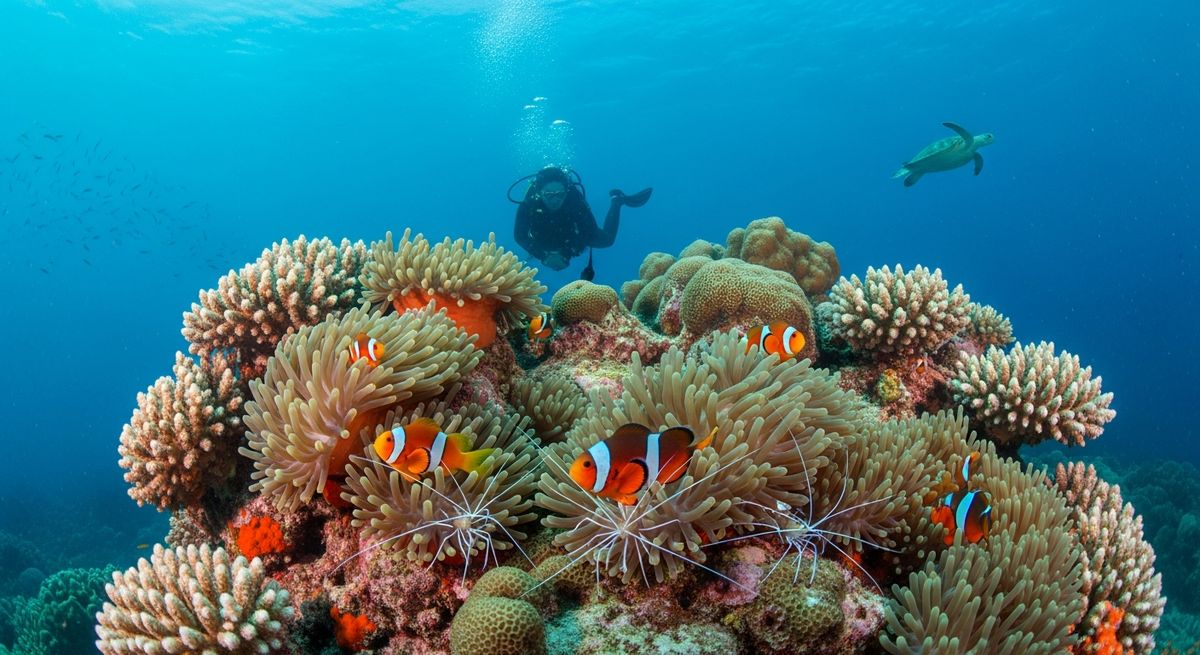
The Lee Breakwater dive site, tucked away in New Zealand's Goat Island & Hauraki Gulf, consistently proves that depth isn’t everything. We love this site for its easy shore access from the Port Taranaki boat ramp, making it a great pick when you just want to get wet without a boat trip. Even with a maximum depth of 7m and an average visibility around 3m, there's a surprising amount to discover if you slow down. Drop in and you're immediately amongst the rocky nooks, where we’ve often spotted Blue-eyed Triplefins darting between the cracks. Keep an eye out for nudibranchs, often found grazing on the kelp, and we’ve had some cracking encounters with John Dory lurking in the shadows. For those who enjoy a bit of a hunt, it's also a known spot for rock lobster, though you'll need to know the local regulations. It’s a site that rewards patient divers, perfect for macro enthusiasts and anyone keen on a relaxed, unhurried explore.
Typical Lee Breakwater Dive Profile
Illustrative profile based on site depth and type. Actual dive profiles vary - always follow your dive computer and training.
Reviews for Lee Breakwater
Conditions
Ocean conditions, forecast and tides for Lee Breakwater
Lee Breakwater Ocean Conditions
Monthly averages for Lee Breakwater, sourced from Open-Meteo marine data + Copernicus Marine (EU) - nearest station: Open-Meteo marine grid (-36.93, 175.86) (22km away)
October Averages
Sea Temperature
16°C
60°F · Range: 14.5–16.9°C
Current Speed
1.41 cm/s
Direction: SE (135°)
Chlorophyll-a
0.497 mg/m³
Moderate productivity
Salinity
34.91 PSU
Based on 4 years of monitoring data · Data sources: Open-Meteo marine data + Copernicus Marine (EU)
Plan & book
Ways to dive Goat Island & Hauraki Gulf, from day trips to liveaboards.
Day trips & courses
via GetYourGuideGuided dives, courses and snorkel trips with instant booking.
Find dive trips in Goat Island & Hauraki GulfPlaces to stay
via Booking.comHotels and dive resorts near Goat Island & Hauraki Gulf.
Search stays in Goat Island & Hauraki GulfDive insurance
Most travel insurance excludes or limits scuba. Check what you need before you go.
Dive insurance explainedPartner links: we may earn a commission if you book, at no extra cost to you. How we make money
Where to Stay near Lee Breakwater
Prices from Booking.com. We may earn a commission at no extra cost to you.