
Diving in New Zealand
Why dive here
New Zealand offers rich diving, with 178+ marine species recorded in its waters - including blue sharks, blue whales, dolphins, great white sharks and hammerhead sharks. Water ranges 13-20°C, warmest January, February, March.
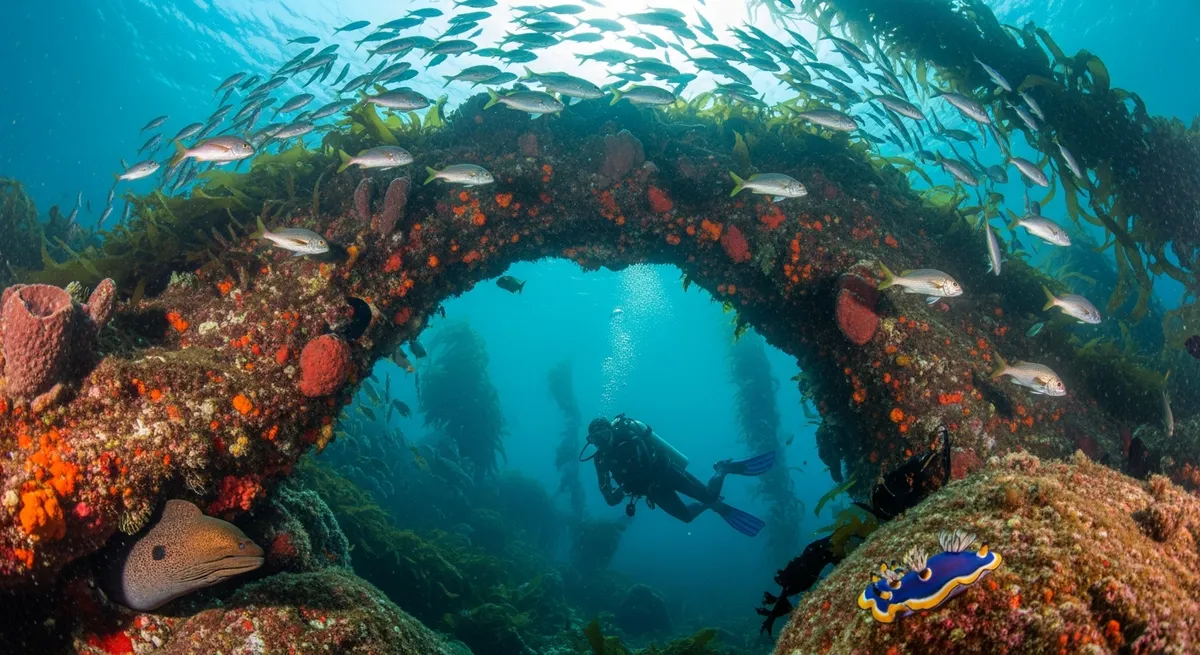
New Zealand doesn’t exactly scream "tropical dive destination", and that's precisely its charm. We're talking temperate water, a real mix of kelp forests and surprisingly vibrant reef systems, often with visibility that will genuinely surprise you. If you’re here for the big stuff and dramatic topography, the Poor Knights Islands are a no-brainer, famous for their sheer walls, archways, and a crazy amount of schooling fish, especially snapper. For something completely different, Fiordland offers these incredible black coral forests, usually found at much deeper, darker depths, right there in shallower water thanks to the freshwater layer. We think late summer, around February and March, offers the best conditions across the board, warmer water and calmer seas.
New Zealand Dive Regions Map
New Zealand Dive Regions
6 diving areas in New Zealand
Bay of Islands
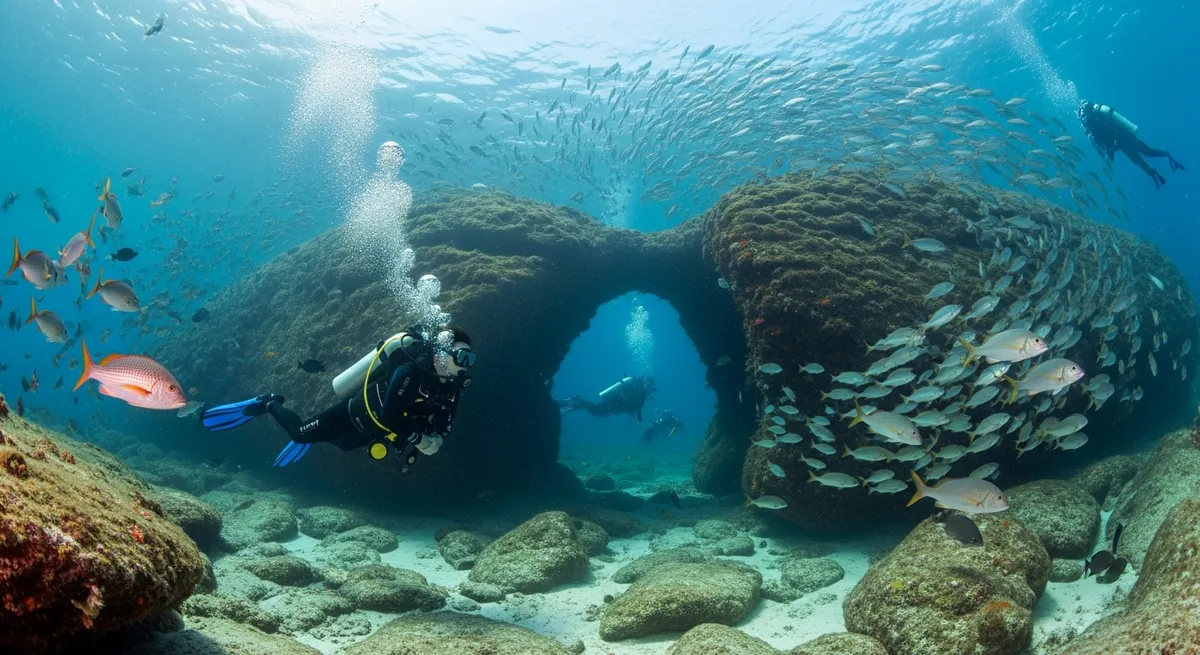
The Bay of Islands offers a real mixed bag for diving, which we appreciate. You’ve got the famous Rainbow Warrior wreck, of course, but don't overlook the natural reefs and walls around the islands. We love the dramatic drop-offs and the feeling of space out here, especially on a calm day when the visibility stretches out. Diving the Rainbow Warrior is an experience in itself. The history is palpable, and the wreck is now home to schools of snapper and koheru that swirl around the structure. We’ve spotted green turtles here, lazily finning past the bow, and once saw a ribbonfish gracefully undulating in the blue. Keep an eye on the current though, it can pick up around the wreck and make for a lively drift. Beyond the wreck, the reef dives can be stunning. Look for blackfoot pāua clinging to rocks and the unusual banded bellowsfish drifting near kelp forests. In summer, the water warms up and the visibility can hit a comfortable 15-20 meters. We always suggest an early morning dive to beat any crowds and catch the light filtering through the water. It’s New Zealand diving, so expect a bit of chill, but the sheer variety keeps us coming back.
Fiordland
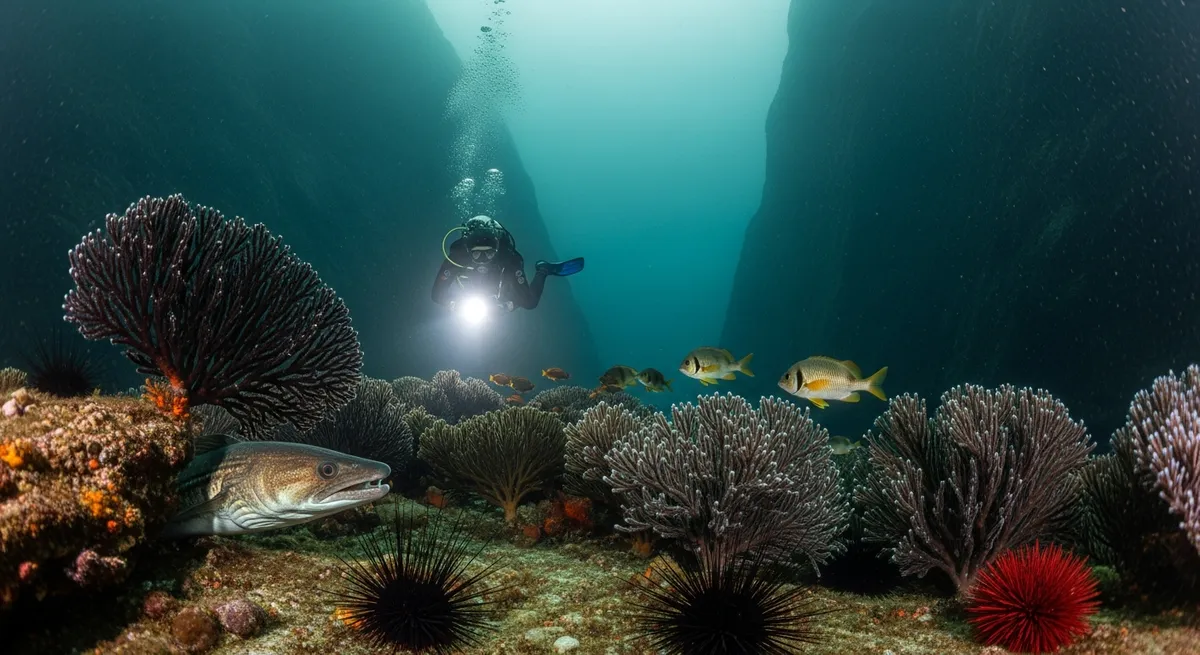
Fiordland diving isn't like anything else. We're talking about a landscape that feels ancient, above and below the surface. The real draw here is the layer of freshwater runoff, stained with tannins from the surrounding rainforest, that sits on top of the denser saltwater. This phenomenon, often called the 'halo layer', blocks out sunlight, tricking deepwater species into growing in surprisingly shallow depths. It's wild to see black coral colonies, normally found hundreds of metres down, thriving at a mere 10 or 15 metres. This isn’t warm, clear tropical diving. Expect cooler temperatures and often limited visibility, especially after heavy rain. But what you sacrifice in sunshine, you gain in sheer uniqueness. We've seen fat New Zealand sea tulips the size of your fist, and countless tiny, glowing light-bulb sea squirts clinging to the walls, creating an almost bioluminescent effect. Keep an eye out for curious New Zealand sole darting across the silty bottom, and the occasional Bentnose Rabbitfish peeking from crevices. Our favourite dives here are the deep walls, where the black coral forests are at their densest. It's a surreal experience, almost like diving at night, but in daylight. You'll need to be comfortable with colder water and drysuits are highly recommended. Go in late spring or early summer for slightly better weather, though the tannin layer is always present.
Goat Island & Hauraki Gulf
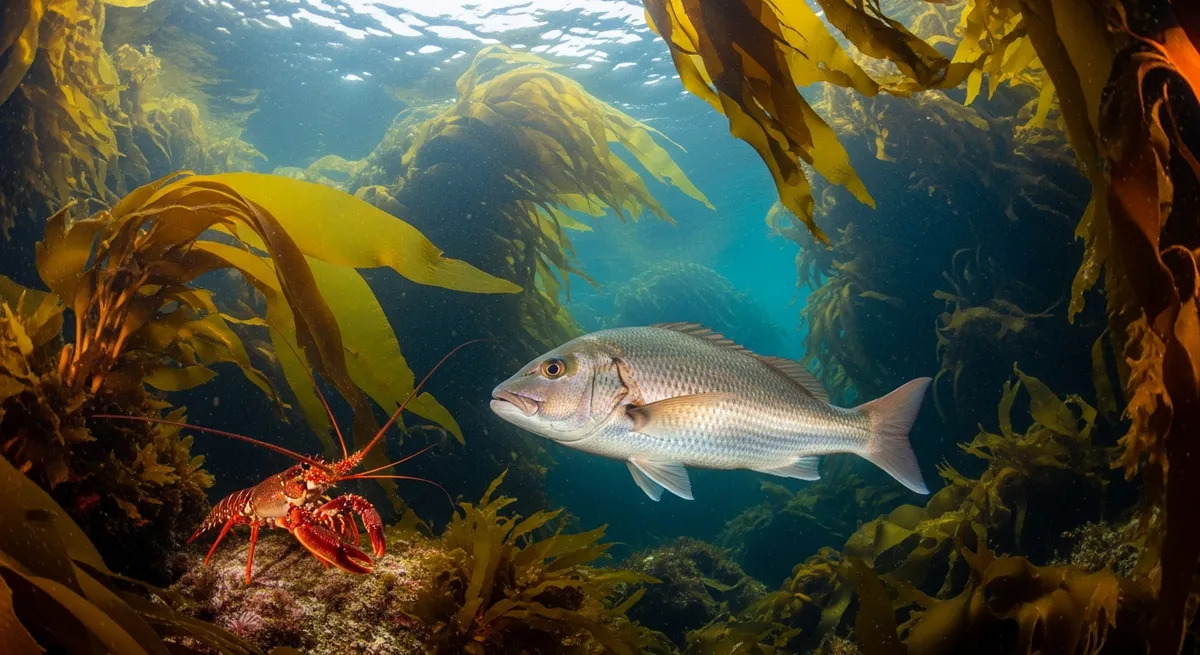
Goat Island, New Zealand's first marine reserve, sits just an hour north of Auckland, and we think it's the perfect spot to get acquainted with the country's underwater world. It's a place where you can genuinely see snapper unafraid, swimming right up to your mask. We love the kelp forests, swaying gently with the surge, creating a moody, green cathedral where banded morwong peek out from the fronds and crayfish sometimes just sit out in the open. Beyond Goat Island itself, the Hauraki Gulf offers a surprising variety of dives. You can explore some fascinating shore dives, but our favourite way to experience the Gulf is by boat, jumping in on a pinnacle dive or exploring a sheltered reef wall. Visibility here can swing, it’s fair to say, anywhere from a milky 5 metres to a crisp 15 metres on a good day, particularly after a few days of settled weather. Keep an eye out for Black Stingrays cruising the sandy patches, and if you’re lucky, you might even spot a Common Diving Petrel darting through the water column, hunting. It’s not about huge pelagics here; it's about getting up close with the temperate reef life and appreciating the local characters.
Kaikōura
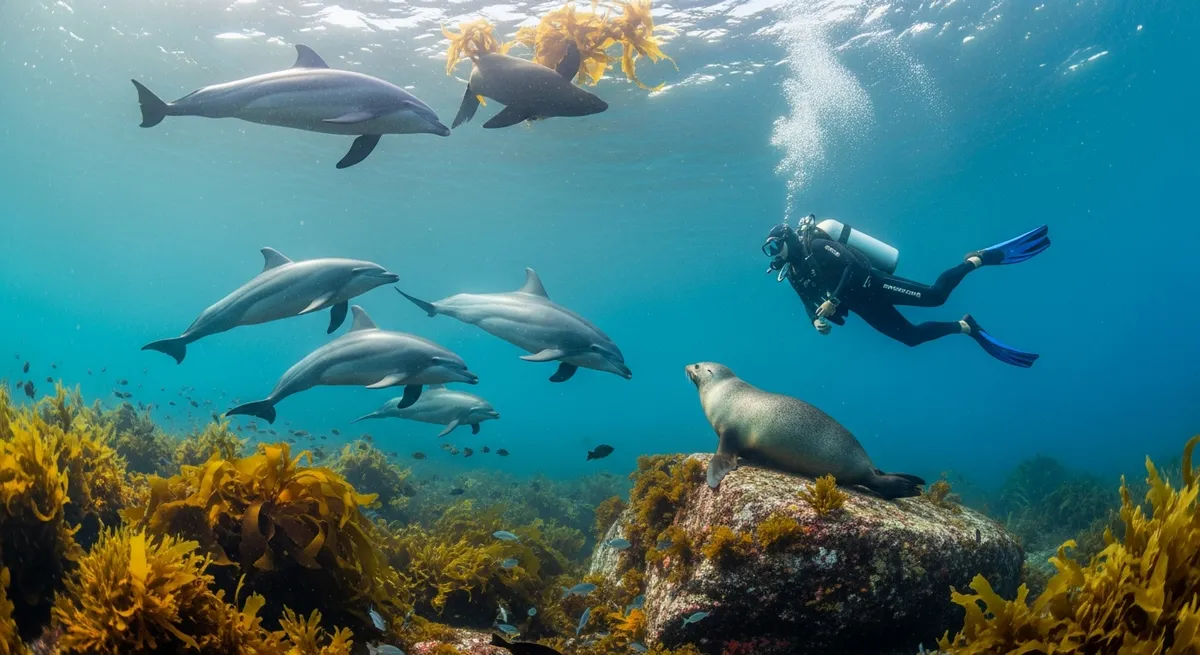
Kaikōura. We often forget about it when planning New Zealand trips, but that's a mistake. This isn't your warm water, reef-bashing kind of dive destination. It’s rugged, raw, and absolutely exhilarating. Think chilly South Pacific water, yes, but also dramatic underwater landscapes that feel truly wild. The deep canyons hug the coast here, pulling up nutrient-rich water. That’s why you get those incredible topside encounters: fur seals barking as they zip past, dusky dolphins playing in the bow waves, and even sperm whales breaching on the horizon. Underwater, it’s a different, equally compelling story. We love the caves and walls, especially when the light-bulb sea squirts are glowing. Keep an eye out for the wandering anemones, they're surprisingly mesmerising to watch. Conditions can be bracing, so decent exposure protection is a must. We’d suggest a drysuit if you’re comfortable, or at least a thick 7mm wetsuit with a hood and gloves. Visibility averages 10-20 metres, but it's the sheer density of life, particularly the smaller stuff and those charismatic megafauna passing through, that keeps us coming back. Our favourite time to dive here is late spring when the water starts to clear but the upwellings are still strong.
Poor Knights Islands
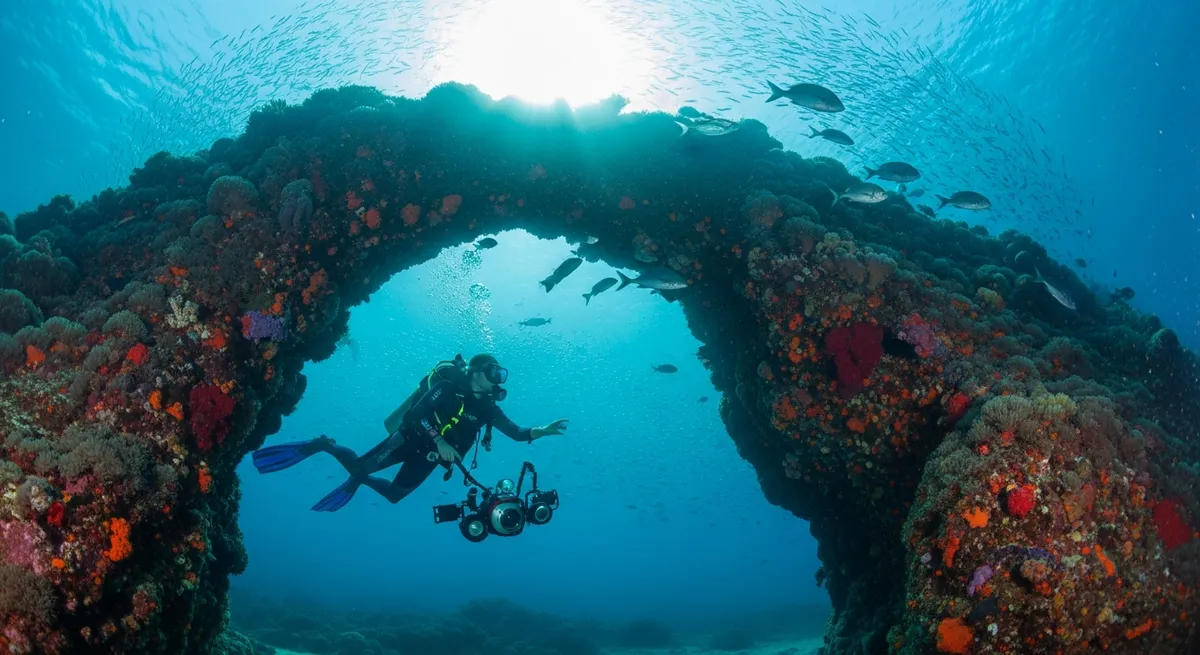
The Poor Knights. We’ve been lucky enough to dive a lot of places, and these islands near Tutukaka really do stand out. It’s not just the dramatic cliffs plunging into the Tasman, or the kelp forests swaying in the surge, it’s the sheer density of it all. You drop into the water and immediately you’re surrounded by schooling blue mao mao and trevally, so thick sometimes you feel like you’re swimming through liquid silver. Our favourite spots are always around the archways and caves. Northern Arch, for example, feels less like a dive site and more like an underwater cathedral, with light shafts piercing through the gloom. It’s a completely different vibe inside than out on the pinnacles, where you might get a quick glance at a bronze whaler cruising by, or a playful seal darting through the kelp. Keep an eye out for nudibranchs tucked away on the walls, and the occasional lemon sole camouflaged on the sandy patches. Water temperatures are best in late summer, January to March, when it’s a bit warmer and visibility often stretches to 20-25 metres. We’d suggest going with a local operator who knows the currents, as they can pick up, particularly around the outer pinnacles. There are 88 named sites, but even on a busy day, you can still find a spot that feels like your own private marine reserve.
Stewart Island / Rakiura
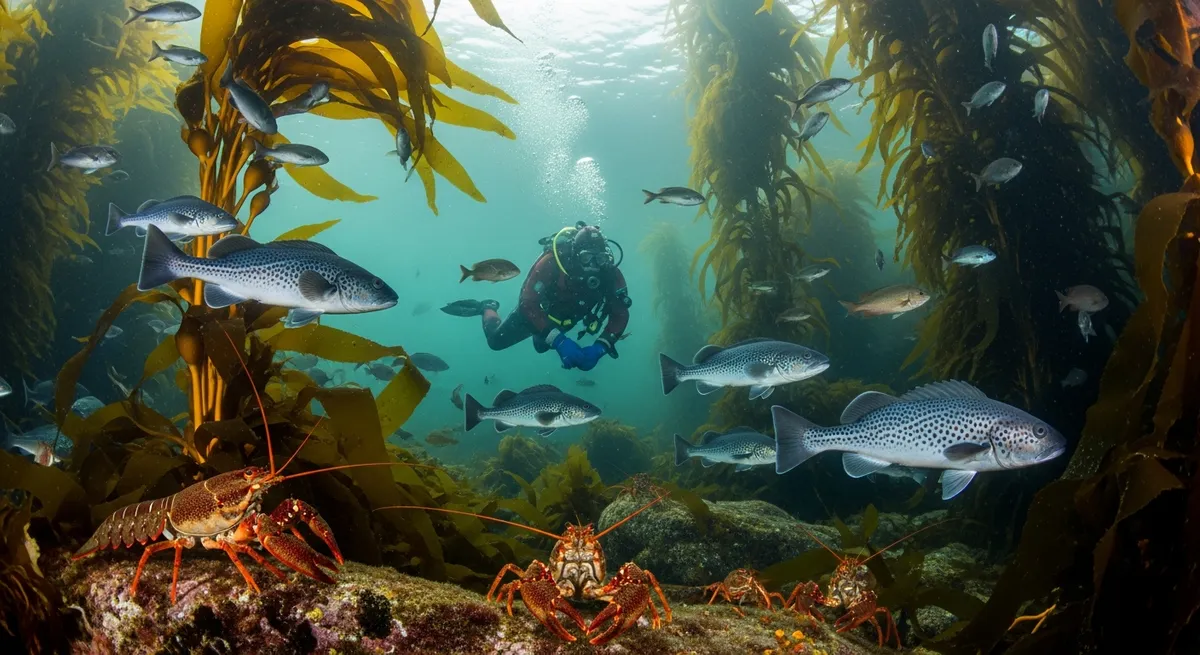
New Zealand's southernmost diving with blue cod, crayfish, and the chance to see the rare yellow-eyed penguin underwater.
Ocean Wildlife in New Zealand
178 species recorded in New Zealand
New Zealand Visa Requirements
Check if you need a visa to dive in New Zealand
Plan & book
Ways to dive New Zealand, from day trips to liveaboards.
Day trips & courses
via GetYourGuideGuided dives, courses and snorkel trips with instant booking.
Find dive trips in New ZealandPlaces to stay
via Booking.comHotels and dive resorts near New Zealand.
Search stays in New ZealandDive insurance
Most travel insurance excludes or limits scuba. Check what you need before you go.
Dive insurance explainedPartner links: we may earn a commission if you book, at no extra cost to you. How we make money