Sylvan Park
Protected Area
Long Bay-Okura
Why dive here
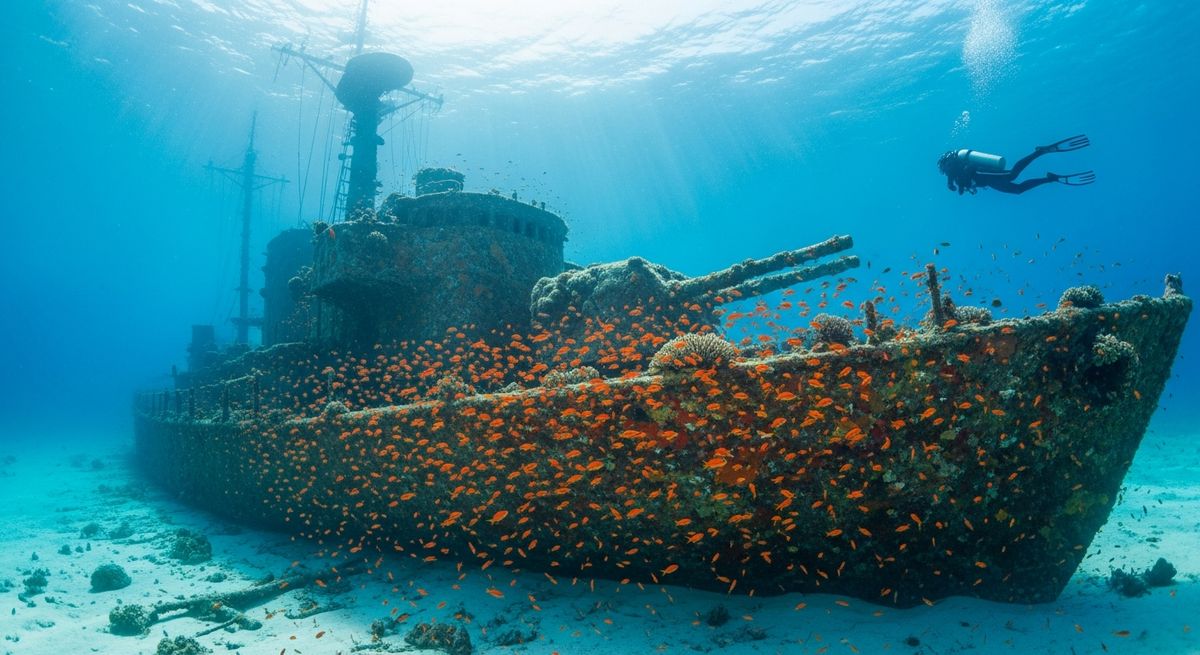
With 72+ marine species recorded in the area - including blue sharks, dolphins, hammerhead sharks, humpback whales and seahorses - Sylvan Park offers some of Goat Island & Hauraki Gulf's richest wreck diving. Water ranges 15-21°C, warmest January, February, March.
Sylvan Park, in the freshwater depths of Lake Pupuke, is a different kind of dive. Forget your usual reef expectations here. What we love about Sylvan Park is its sheer calm, a welcome change from the coastal churn. You’ll walk down a boat ramp from the car park, which makes for an easy entry, something we always appreciate. The real draw, for us, is the extensive seagrass meadow, a constant green carpet that stretches from the shore out to about ten meters. This seagrass isn't just decoration; it's a living, breathing habitat. We spend our time here really slowing down, looking for the tiny things. Think little post horn squids darting through the blades, or the subtle shimmer of a big-belly seahorse camouflaged perfectly. Keep an eye out for curious cowfish peeking from the fronds. Visibility usually sits around three meters, which means it’s a site for close inspection, not wide panoramas. It's a fantastic spot for photographers focusing on macro life, or anyone just wanting a peaceful, undemanding dive in an unusual setting.
Safety Notes
Wreck site - avoid penetration without wreck diving certification. Watch for sharp metal and entanglement hazards.
Nearest Dive Centres to Sylvan Park
Dive shops near Sylvan Park
Performance Diver NZ Ltd
Wettie
GlobalDive
Dive HQ Auckland
Epic SCUBA
Dive Doctor
Reviews for Sylvan Park
Conditions
Ocean conditions, forecast and tides for Sylvan Park
Sylvan Park Ocean Conditions
Monthly averages for Sylvan Park, sourced from Open-Meteo marine data + Copernicus Marine (EU) - nearest station: Open-Meteo marine grid (-36.93, 175.86) (22km away)
October Averages
Sea Temperature
16°C
60°F · Range: 14.5–16.9°C
Current Speed
1.41 cm/s
Direction: SE (135°)
Chlorophyll-a
0.497 mg/m³
Moderate productivity
Salinity
34.91 PSU
Based on 4 years of monitoring data · Data sources: Open-Meteo marine data + Copernicus Marine (EU)
Plan & book
Ways to dive Goat Island & Hauraki Gulf, from day trips to liveaboards.
Day trips & courses
via GetYourGuideGuided dives, courses and snorkel trips with instant booking.
Find dive trips in Goat Island & Hauraki GulfPlaces to stay
via Booking.comHotels and dive resorts near Goat Island & Hauraki Gulf.
Search stays in Goat Island & Hauraki GulfDive insurance
Most travel insurance excludes or limits scuba. Check what you need before you go.
Dive insurance explainedPartner links: we may earn a commission if you book, at no extra cost to you. How we make money
Where to Stay near Sylvan Park
Prices from Booking.com. We may earn a commission at no extra cost to you.