Tawharanui
Protected Area
Tawharanui
Why dive here
With 72+ marine species recorded in the area - including blue sharks, dolphins, hammerhead sharks, humpback whales and seahorses - Tawharanui offers some of Goat Island & Hauraki Gulf's richest reef diving. Water ranges 15-21°C, warmest January, February, March.
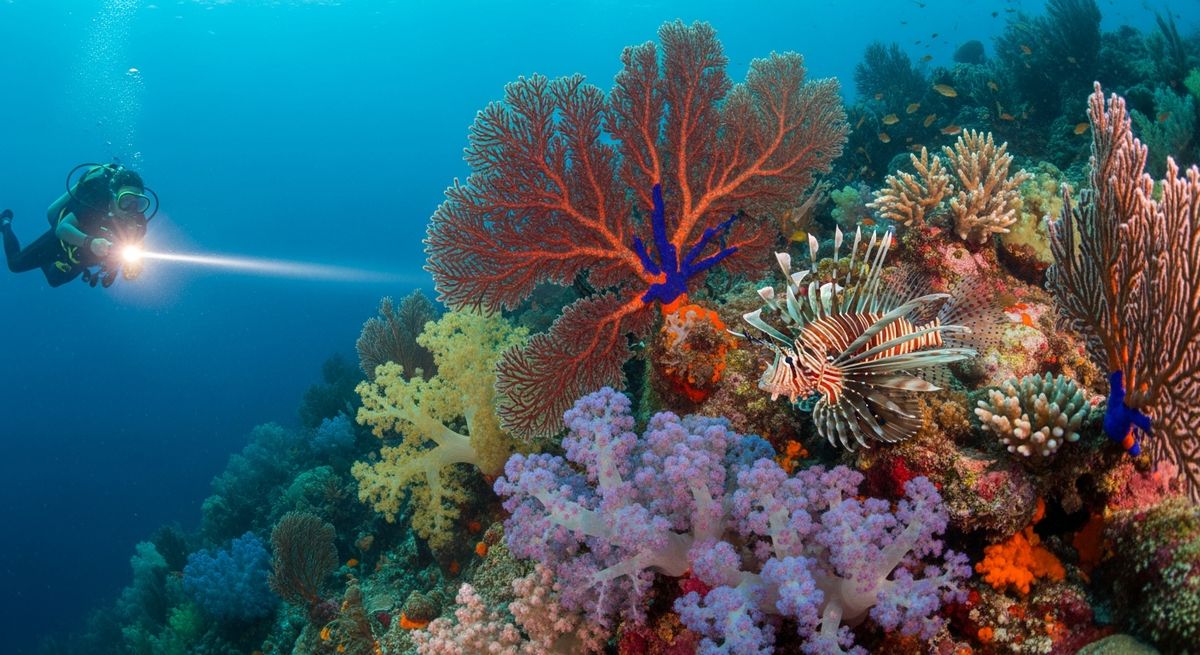
Tawharanui, often overshadowed by its famous neighbour, is a brilliant alternative if you’re looking for a quieter dive in the Goat Island area. We love it for its consistent population of snapper – not huge, but plentiful. You’ll typically drop to around 10-12 metres, finding yourself in kelp forests that sway with the gentle surge. Visibility hovers around 6 metres, sometimes a little more, sometimes a little less. It's not a site for spotting distant pelagics, but rather for poking around the kelp fronds, searching for banded morwong or the occasional shy cowfish. We’ve had some cracking dives here just watching the yellowtail dart through the light shafts. Our favourite part is the chance to spot larger eagle rays gliding over the sandy patches between the reef. For crayfish, head towards the Takatu Point end; they tend to be bigger there. It suits divers who appreciate a relaxed pace and don’t mind a bit of a search for the smaller stuff.
Nearest Dive Centres to Tawharanui
Dive shops near Tawharanui
View all dive centres in Goat Island & Hauraki GulfReviews for Tawharanui
Conditions
Ocean conditions, forecast and tides for Tawharanui
Tawharanui Ocean Conditions
Monthly averages for Tawharanui, sourced from Open-Meteo marine data + Copernicus Marine (EU) - nearest station: Open-Meteo marine grid (-36.93, 175.86) (22km away)
October Averages
Sea Temperature
16°C
60°F · Range: 14.5–16.9°C
Current Speed
1.41 cm/s
Direction: SE (135°)
Chlorophyll-a
0.497 mg/m³
Moderate productivity
Salinity
34.91 PSU
Based on 4 years of monitoring data · Data sources: Open-Meteo marine data + Copernicus Marine (EU)
Plan & book
Ways to dive Goat Island & Hauraki Gulf, from day trips to liveaboards.
Day trips & courses
via GetYourGuideGuided dives, courses and snorkel trips with instant booking.
Find dive trips in Goat Island & Hauraki GulfPlaces to stay
via Booking.comHotels and dive resorts near Goat Island & Hauraki Gulf.
Search stays in Goat Island & Hauraki GulfDive insurance
Most travel insurance excludes or limits scuba. Check what you need before you go.
Dive insurance explainedPartner links: we may earn a commission if you book, at no extra cost to you. How we make money
Where to Stay near Tawharanui
Prices from Booking.com. We may earn a commission at no extra cost to you.