Wooded Island
Protected Area
Kohatutara
Why dive here
With 72+ marine species recorded in the area - including blue sharks, dolphins, hammerhead sharks, humpback whales and seahorses - Wooded Island offers some of Goat Island & Hauraki Gulf's richest wreck diving. Water ranges 15-21°C, warmest January, February, March.
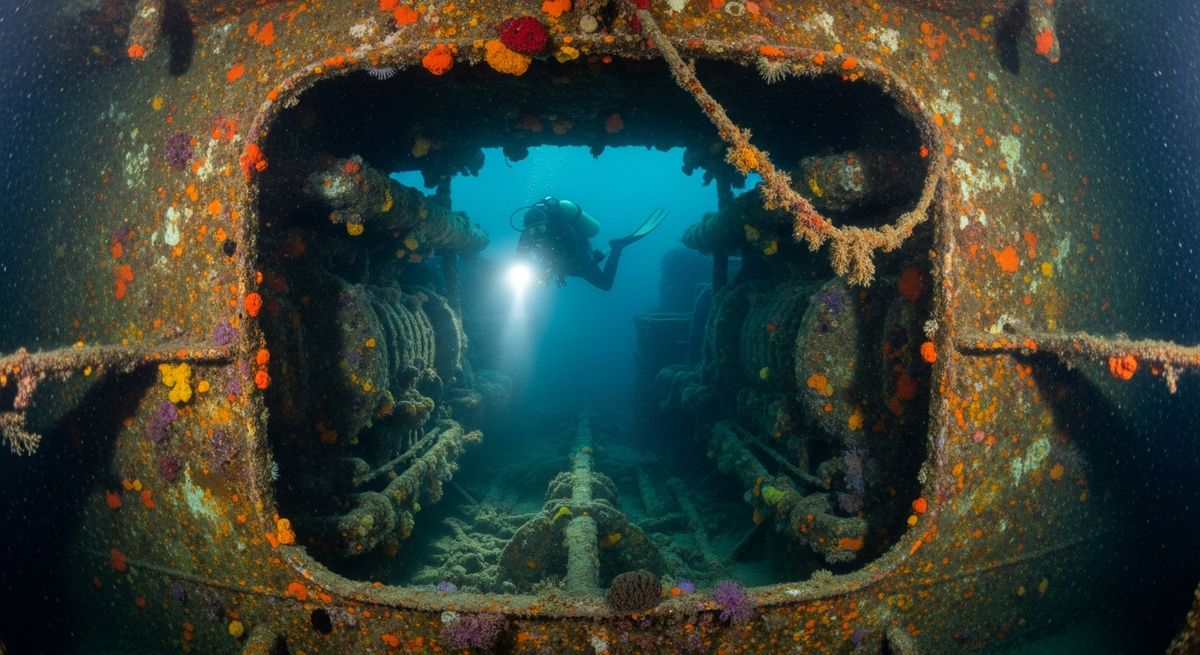
We've always had a soft spot for Wooded Island, especially on those days when the weather just isn't playing ball with the outer sites. It’s tucked away nicely, meaning you usually get a calm entry and exit, even when there's a bit of chop elsewhere. What we love most is the way the kelp sways, creating these beautiful, dappled light shows. You’ll spend most of your time around the 8-12 metre mark, weaving through the kelp forests. The big-belly seahorses are our favourite find here; they’re masters of disguise, so take your time and look closely among the fronds. We’ve spotted them clinging on more than once. You’ll also bump into plenty of snapper and schools of leatherjackets, sometimes so numerous they form a shimmering wall. If you’re lucky, a short-tail stingray might glide past in the sand patches. It’s a superb spot for newer divers, offering a gentle introduction to New Zealand’s temperate diving, but even experienced eyes will find plenty to keep them entertained, especially if you’re into macro life and patient seahorse hunting. We’d suggest going early on a weekday to avoid the crowds, as it can get busy.
Safety Notes
Wreck site - avoid penetration without wreck diving certification. Watch for sharp metal and entanglement hazards.
Wooded Island Wreck History
Year Sunk
1945
Vessel Type
aircraft
Cause
scuttled
On February 4, 1945, a Martin B-26G Marauder medium bomber was returning to its base in Corsica after a successful mission over Italy. During the flight, the aircraft developed serious engine trouble, and the pilot quickly determined he would not be able to make a safe landing on shore. He expertly ditched the plane in the sea just off the coast of Lavasina, near Bastia. The controlled water landing was a success, and all six crew members were able to escape the sinking aircraft and were promptly rescued.
The B-26 of Lavasina now rests on a sandy bottom at a depth of 27 meters and is a fantastic dive for wreck enthusiasts. The aircraft is broken into two main sections, with the cockpit and forward fuselage separated from the tail and wings, all lying in close proximity. The cockpit is a highlight, with the pilot's and co-pilot's seats and control yokes still visible. Divers can also explore the engines, propellers, and even spot the machine guns still in their mounts. The wreck attracts a good amount of marine life, including moray eels and congers, making it a captivating dive that combines military history with underwater nature.
Nearest Dive Centres to Wooded Island
Dive shops near Wooded Island
Wettie
Performance Diver NZ Ltd
Epic SCUBA
GlobalDive
Dive Doctor
Dive HQ Auckland
Reviews for Wooded Island
Conditions
Ocean conditions, forecast and tides for Wooded Island
Wooded Island Ocean Conditions
Monthly averages for Wooded Island, sourced from Open-Meteo marine data + Copernicus Marine (EU) - nearest station: Open-Meteo marine grid (-36.93, 175.86) (22km away)
October Averages
Sea Temperature
16°C
60°F · Range: 14.5–16.9°C
Current Speed
1.41 cm/s
Direction: SE (135°)
Chlorophyll-a
0.497 mg/m³
Moderate productivity
Salinity
34.91 PSU
Based on 4 years of monitoring data · Data sources: Open-Meteo marine data + Copernicus Marine (EU)
Plan & book
Ways to dive Goat Island & Hauraki Gulf, from day trips to liveaboards.
Day trips & courses
via GetYourGuideGuided dives, courses and snorkel trips with instant booking.
Find dive trips in Goat Island & Hauraki GulfPlaces to stay
via Booking.comHotels and dive resorts near Goat Island & Hauraki Gulf.
Search stays in Goat Island & Hauraki GulfDive insurance
Most travel insurance excludes or limits scuba. Check what you need before you go.
Dive insurance explainedPartner links: we may earn a commission if you book, at no extra cost to you. How we make money
Where to Stay near Wooded Island
Prices from Booking.com. We may earn a commission at no extra cost to you.