Gem Cave
Protected Area
Cape Rodney-Okakari Point
Why dive here
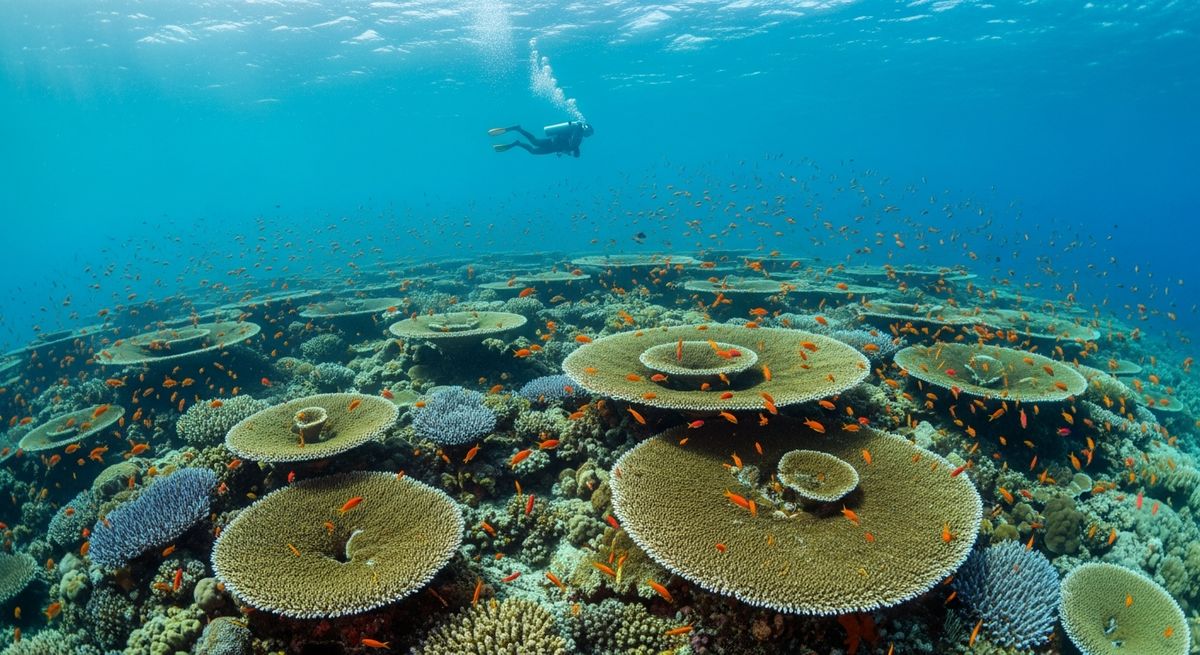
With 79+ marine species recorded in the area - including blue sharks, dolphins, hammerhead sharks, humpback whales and orcas - Gem Cave offers some of Poor Knights Islands's richest reef diving. Water ranges 15-22°C, warmest January, February, March.
Gem Cave. If you’re at Poor Knights, you’re probably going to visit. And you should. It’s exactly what it sounds like – a cave, lit up by bioluminescence, especially when you bring a torch. We always suggest diving it during high tide; the entrance feels more substantial, less like you’re threading a needle. The two entrances merge deeper inside, creating this surprisingly spacious chamber where the light really plays tricks on you. The magic happens when you hit the walls with your torch. What looks like dull rock transforms into a canvas of reds, oranges, and purples from sponges and anemones. We’ve spent ages just hovering, watching the shadows dance, looking for shy nudibranchs and shrimp tucked into crevices. Keep an eye out for green wrasse darting between the rocks and, if you’re lucky, a sleepy spotted stargazer half-buried in the sand. Visibility here averages around 8m, which for a cave dive, feels perfectly adequate. It’s not a deep dive, maxing out at 9m, so it’s a great spot for newer divers to experience a cave without feeling overwhelmed. Just remember that torch – it truly makes the difference here.
Typical Gem Cave Dive Profile
Illustrative profile based on site depth and type. Actual dive profiles vary - always follow your dive computer and training.
Nearest Dive Centres to Gem Cave
Dive shops near Gem Cave
GOAT ISLAND DIVE and SNORKEL
NEW ZEALAND DIVING
Auckland Scuba - Silverdale
Reviews for Gem Cave
Conditions
Ocean conditions, forecast and tides for Gem Cave
Gem Cave Ocean Conditions
Monthly averages for Gem Cave, sourced from Open-Meteo marine data + Copernicus Marine (EU) - nearest station: Open-Meteo marine grid (-35.84, 174.61) (14km away)
October Averages
Sea Temperature
16°C
60°F · Range: 14.8–17.1°C
Current Speed
11.4 cm/s
Direction: SE (142.1°)
Chlorophyll-a
0.388 mg/m³
Moderate productivity
Salinity
35.44 PSU
Based on 4 years of monitoring data · Data sources: Open-Meteo marine data + Copernicus Marine (EU)
Plan & book
Ways to dive Poor Knights Islands, from day trips to liveaboards.
Day trips & courses
via GetYourGuideGuided dives, courses and snorkel trips with instant booking.
Find dive trips in Poor Knights IslandsPlaces to stay
via Booking.comHotels and dive resorts near Poor Knights Islands.
Search stays in Poor Knights IslandsDive insurance
Most travel insurance excludes or limits scuba. Check what you need before you go.
Dive insurance explainedPartner links: we may earn a commission if you book, at no extra cost to you. How we make money
Where to Stay near Gem Cave
Prices from Booking.com. We may earn a commission at no extra cost to you.