Kauri Mountain Awarua Rocks
Protected Area
Bream Islands
Why dive here
With 79+ marine species recorded in the area - including blue sharks, dolphins, hammerhead sharks, humpback whales and orcas - Kauri Mountain Awarua Rocks offers some of Poor Knights Islands's richest reef diving. Water ranges 15-22°C, warmest January, February, March.
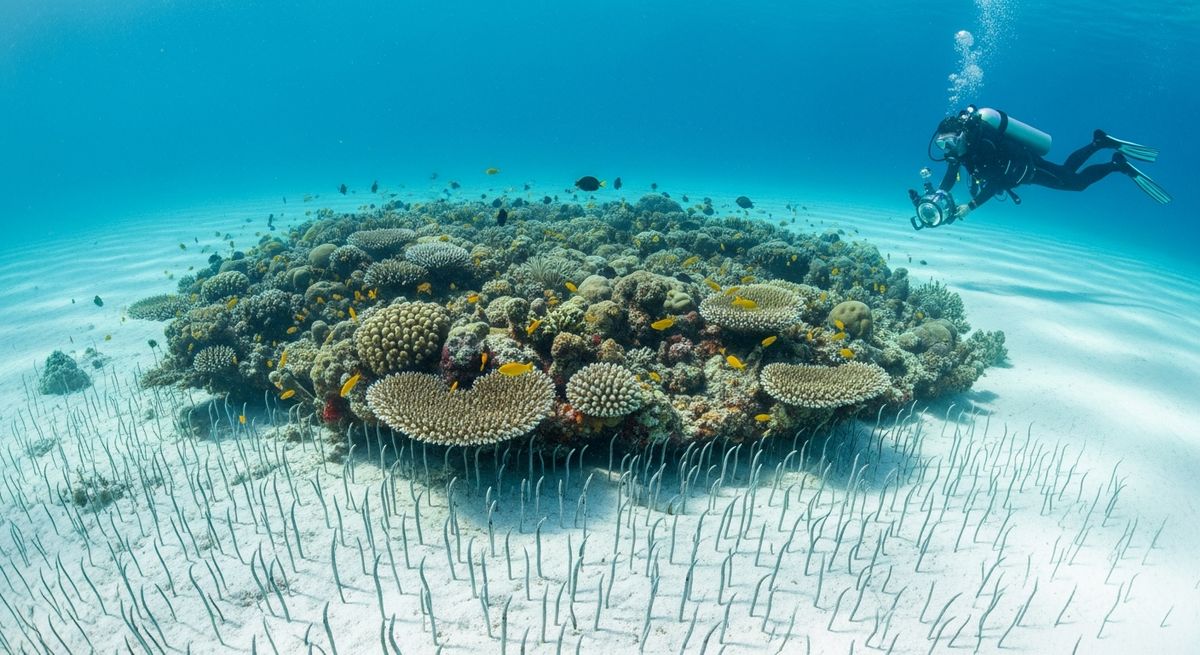
Look, we're not going to lie. Kauri Mountain Awarua Rocks isn't the Poor Knights' showstopper. It doesn’t have the archways or the deep, dark caves. What it does have, however, is a classic slice of New Zealand’s rocky coastline underwater, and sometimes that's exactly what you want. It's a short jaunt from Dive Now if you're keen for a shore entry down Kauri Mountain Road. The maximum depth sits at about 11 metres, making it a great spot for a relaxed potter. We've spent hours here just watching the smaller stuff. The kelp sways, and in among the holdfasts, you’ll spot at least three kinds of triplefins – the Yellow-and-black, Longfinned, and those tiny Spotted Robust ones. We often see rig and dory ghosting through, and if you’re lucky, a black stingray or even a sleepy leopard seal might be tucked away. Visibility averages 13 metres, so it’s usually clear enough to appreciate the encrusting life that carpets the rocks. It's a proper kiwi kelpy dive, perfect for photographers who love macro or anyone who just wants to chill out and explore without the pressure of a big-name site.
Nearest Dive Centres to Kauri Mountain Awarua Rocks
Dive shops near Kauri Mountain Awarua Rocks
Dive! Tutukaka
DIVE NOW
Moana Futures Ltd
Reviews for Kauri Mountain Awarua Rocks
Conditions
Ocean conditions, forecast and tides for Kauri Mountain Awarua Rocks
Kauri Mountain Awarua Rocks Ocean Conditions
Monthly averages for Kauri Mountain Awarua Rocks, sourced from Open-Meteo marine data + Copernicus Marine (EU) - nearest station: Open-Meteo marine grid (-35.84, 174.61) (14km away)
October Averages
Sea Temperature
16°C
60°F · Range: 14.8–17.1°C
Current Speed
11.4 cm/s
Direction: SE (142.1°)
Chlorophyll-a
0.388 mg/m³
Moderate productivity
Salinity
35.44 PSU
Based on 4 years of monitoring data · Data sources: Open-Meteo marine data + Copernicus Marine (EU)
Plan & book
Ways to dive Poor Knights Islands, from day trips to liveaboards.
Day trips & courses
via GetYourGuideGuided dives, courses and snorkel trips with instant booking.
Find dive trips in Poor Knights IslandsPlaces to stay
via Booking.comHotels and dive resorts near Poor Knights Islands.
Search stays in Poor Knights IslandsDive insurance
Most travel insurance excludes or limits scuba. Check what you need before you go.
Dive insurance explainedPartner links: we may earn a commission if you book, at no extra cost to you. How we make money
Where to Stay near Kauri Mountain Awarua Rocks
Prices from Booking.com. We may earn a commission at no extra cost to you.