Leigh Wharf
Protected Area
Cape Rodney-Okakari Point
Why dive here
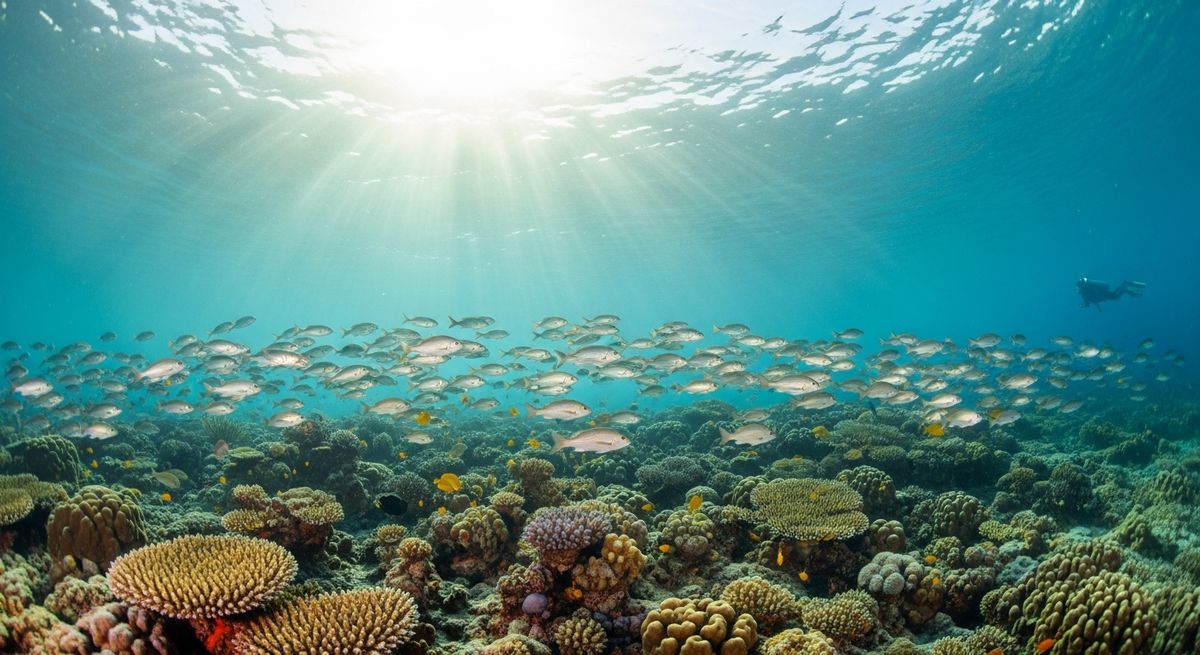
With 79+ marine species recorded in the area - including blue sharks, dolphins, hammerhead sharks, humpback whales and orcas - Leigh Wharf offers some of Poor Knights Islands's richest reef diving. Water ranges 15-22°C, warmest January, February, March.
Leigh Wharf. It’s a bit of a local secret, really. Forget the deep reefs and the pelagics for a moment; this is where we head when we want something different, something quirky. Descending into the green haze, you instantly feel that typical wharf-dive chill, a little bit industrial, a little bit wild. We love it for the sheer density of small, unusual critters hiding amongst the barnacle-encrusted pylons and discarded fishing lines. It’s not about grand vistas here. Visibility averages around four metres, so you’re constantly peering, discovering. Look closely at the wharf piles and you’ll find Pipehorses clinging on, almost invisible, or maybe a tiny Spitlure Frogfish camouflaged against the growth. On the sandy slopes, we often spot a massive Stingray, sifting for scraps left by the fishermen – a gentle giant moving through the gloom. You’ll see more Octopus here than almost anywhere else, tucked into crevices, their eyes watching you with intelligent curiosity. It’s an easy dive, barely seven metres deep, but you could spend an hour just in one square metre, picking out the tiny, rare Triplefins or the striking Luculentus Wrasse. This spot suits macro lovers and photographers who appreciate the unusual. It’s not for speed demons, but for those who enjoy a slow, observant hunt for the hidden gems of the temperate shallows.
Nearest Dive Centres to Leigh Wharf
Dive shops near Leigh Wharf
GOAT ISLAND DIVE and SNORKEL
NEW ZEALAND DIVING
Auckland Scuba - Silverdale
Reviews for Leigh Wharf
Conditions
Ocean conditions, forecast and tides for Leigh Wharf
Leigh Wharf Ocean Conditions
Monthly averages for Leigh Wharf, sourced from Open-Meteo marine data + Copernicus Marine (EU) - nearest station: Open-Meteo marine grid (-35.84, 174.61) (14km away)
October Averages
Sea Temperature
16°C
60°F · Range: 14.8–17.1°C
Current Speed
11.4 cm/s
Direction: SE (142.1°)
Chlorophyll-a
0.388 mg/m³
Moderate productivity
Salinity
35.44 PSU
Based on 4 years of monitoring data · Data sources: Open-Meteo marine data + Copernicus Marine (EU)
Plan & book
Ways to dive Poor Knights Islands, from day trips to liveaboards.
Day trips & courses
via GetYourGuideGuided dives, courses and snorkel trips with instant booking.
Find dive trips in Poor Knights IslandsPlaces to stay
via Booking.comHotels and dive resorts near Poor Knights Islands.
Search stays in Poor Knights IslandsDive insurance
Most travel insurance excludes or limits scuba. Check what you need before you go.
Dive insurance explainedPartner links: we may earn a commission if you book, at no extra cost to you. How we make money
Where to Stay near Leigh Wharf
Prices from Booking.com. We may earn a commission at no extra cost to you.