The Gut
Protected Area
Bream Islands
Why dive here
With 79+ marine species recorded in the area - including blue sharks, dolphins, hammerhead sharks, humpback whales and orcas - The Gut offers some of Poor Knights Islands's richest cave diving. Water ranges 15-22°C, warmest January, February, March.
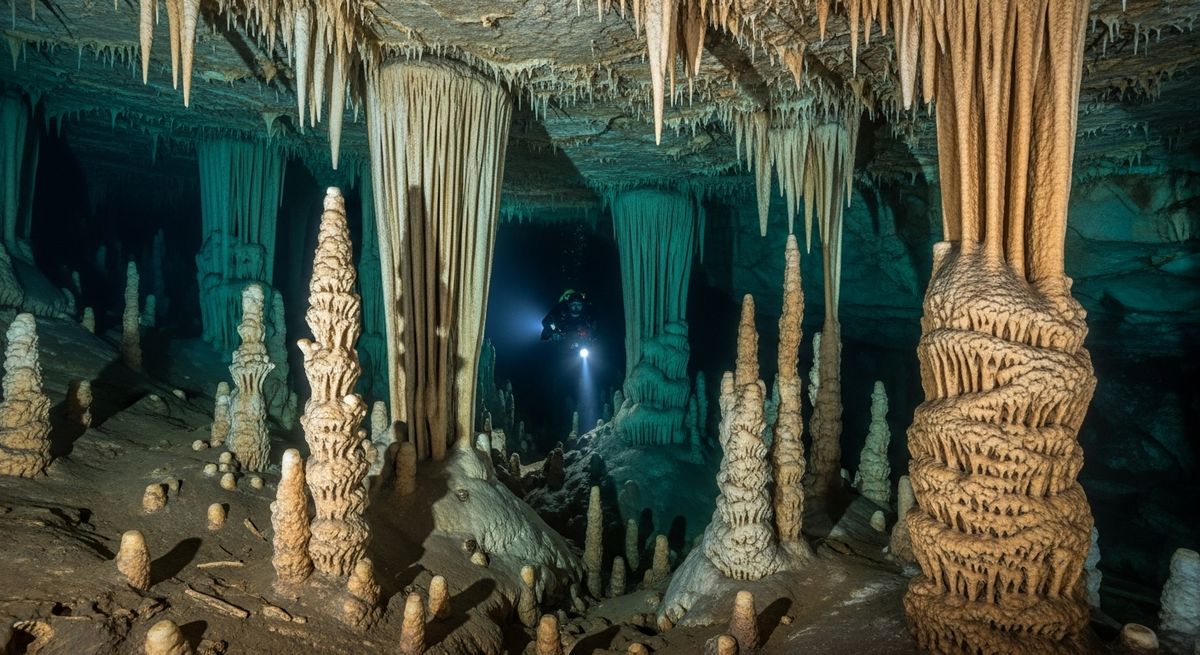
The Gut feels like a secret passage. You ease into this narrow channel, often having to time your entry just right if there’s any swell. We love how the light plays on the colourful wall to your right as you move deeper, past the initial shallow rocks. It’s only about 7m here, but the rock formations are impressive, covered in sponges and anemones. Our pick for a perfect drift on a calm day. It’s an intimate dive, not about grand vistas but about the smaller, often overlooked creatures. Look for the Big-belly seahorse clinging to kelp fronds, or the flash of a Southern reef squid. You’ll often spot juvenile crayfish tucked into crevices. The Gut opens up onto a sandy area at about 5m, scattered with smaller reef sections – a good spot to scan for Southern Eagle Rays gliding past. Visibility averages around 7m, which is decent for a channel dive, making it feel even more like a hidden world. This dive suits macro enthusiasts and anyone looking for a relaxed, sheltered exploration, especially when the main outer sites are too exposed.
Safety Notes
Overhead environment - never enter without proper cave/cavern training, redundant equipment, and a guideline.
Nearest Dive Centres to The Gut
Dive shops near The Gut
Dive! Tutukaka
DIVE NOW
Moana Futures Ltd
Reviews for The Gut
Conditions
Ocean conditions, forecast and tides for The Gut
The Gut Ocean Conditions
Monthly averages for The Gut, sourced from Open-Meteo marine data + Copernicus Marine (EU) - nearest station: Open-Meteo marine grid (-35.84, 174.61) (14km away)
October Averages
Sea Temperature
16°C
60°F · Range: 14.8–17.1°C
Current Speed
11.4 cm/s
Direction: SE (142.1°)
Chlorophyll-a
0.388 mg/m³
Moderate productivity
Salinity
35.44 PSU
Based on 4 years of monitoring data · Data sources: Open-Meteo marine data + Copernicus Marine (EU)
Plan & book
Ways to dive Poor Knights Islands, from day trips to liveaboards.
Day trips & courses
via GetYourGuideGuided dives, courses and snorkel trips with instant booking.
Find dive trips in Poor Knights IslandsPlaces to stay
via Booking.comHotels and dive resorts near Poor Knights Islands.
Search stays in Poor Knights IslandsDive insurance
Most travel insurance excludes or limits scuba. Check what you need before you go.
Dive insurance explainedPartner links: we may earn a commission if you book, at no extra cost to you. How we make money
Where to Stay near The Gut
Prices from Booking.com. We may earn a commission at no extra cost to you.