Trade Me Reef
Protected Area
Cape Rodney-Okakari Point
Why dive here
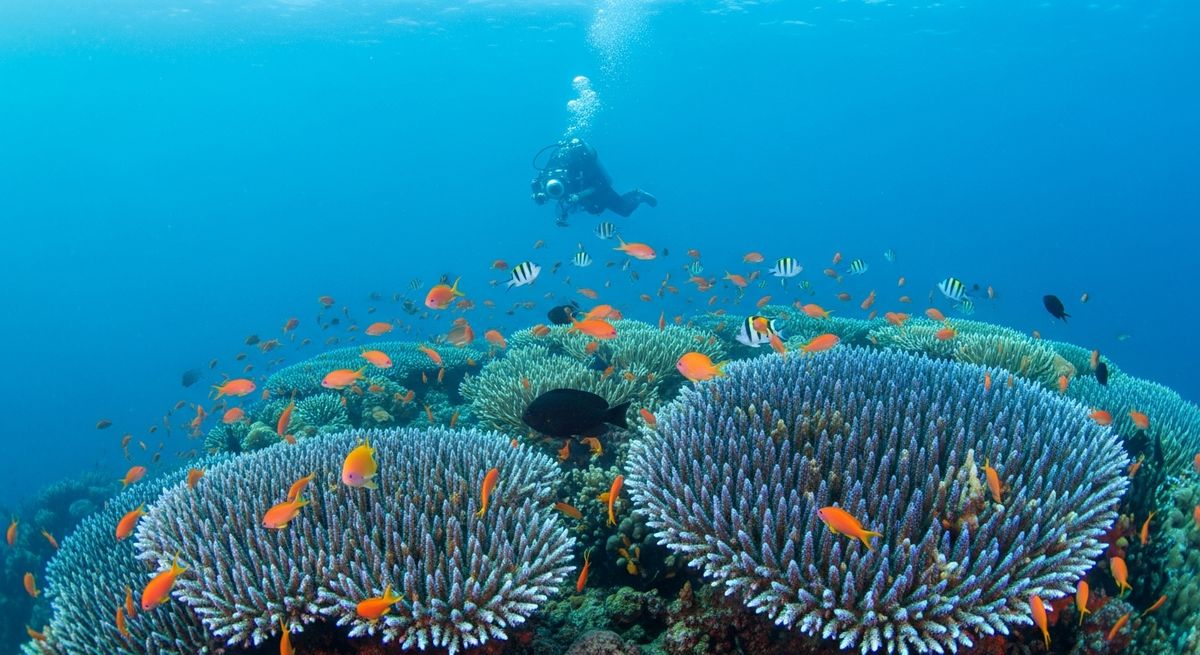
With 79+ marine species recorded in the area - including blue sharks, dolphins, hammerhead sharks, humpback whales and orcas - Trade Me Reef offers some of Poor Knights Islands's richest reef diving. Water ranges 15-22°C, warmest January, February, March.
Trade Me Reef often gets overlooked, sitting right by the cardinal marker, but it’s a solid spot, especially if the weather’s a bit choppy elsewhere. We usually drop anchor in the sheltered inlet, around six metres, then it's a short underwater swim northwest to the main action. The reef itself slopes down to about 11 metres, with a sandy patch connecting it to a rock outcrop. Keep an eye out for the big snapper lurking in the shadows and plenty of octopus dens scattered across the sand. While the visibility averages around eight metres, it’s a good choice for newer divers or those looking for a relaxed dive with interesting macro life.
Nearest Dive Centres to Trade Me Reef
Dive shops near Trade Me Reef
NEW ZEALAND DIVING
GOAT ISLAND DIVE and SNORKEL
Auckland Scuba - Silverdale
Reviews for Trade Me Reef
Conditions
Ocean conditions, forecast and tides for Trade Me Reef
Trade Me Reef Ocean Conditions
Monthly averages for Trade Me Reef, sourced from Open-Meteo marine data + Copernicus Marine (EU) - nearest station: Open-Meteo marine grid (-35.84, 174.61) (14km away)
October Averages
Sea Temperature
16°C
60°F · Range: 14.8–17.1°C
Current Speed
11.4 cm/s
Direction: SE (142.1°)
Chlorophyll-a
0.388 mg/m³
Moderate productivity
Salinity
35.44 PSU
Based on 4 years of monitoring data · Data sources: Open-Meteo marine data + Copernicus Marine (EU)
Plan & book
Ways to dive Poor Knights Islands, from day trips to liveaboards.
Day trips & courses
via GetYourGuideGuided dives, courses and snorkel trips with instant booking.
Find dive trips in Poor Knights IslandsPlaces to stay
via Booking.comHotels and dive resorts near Poor Knights Islands.
Search stays in Poor Knights IslandsDive insurance
Most travel insurance excludes or limits scuba. Check what you need before you go.
Dive insurance explainedPartner links: we may earn a commission if you book, at no extra cost to you. How we make money
Where to Stay near Trade Me Reef
Prices from Booking.com. We may earn a commission at no extra cost to you.