Jane Sea (Wreck)
Protected Area
Zuidkust
Why dive here
With 82+ marine species recorded in the area - including orcas, sea turtles, whale sharks, frogfish and lionfish - Jane Sea (Wreck) offers some of Aruba Leeward Coast's richest cave diving. Water ranges 27-30°C, warmest September, October, November.
The Jane Sea is one of our favourite Caribbean wrecks, a cement freighter scuttled with purpose, now resting upright at 25 metres. We love how it’s settled, perfectly positioned to be explored. You can swim through the main cargo holds, which are often packed with schooling Atlantic bumpers, their silver scales flashing in the shafts of light. Look closely at the superstructure; a thick layer of deepwater gorgonians and sponges have grown across it, softening the industrial edges. We’ve seen nurse sharks tucked into the shadowy corners and, on a lucky drift, a hawksbill turtle gliding past the bow. The sheer volume of fish is striking – we’re talking snapper, angelfish, and grunts swirling around the hull, almost obscuring the metal. It’s a great wreck for photographers, especially when the light is just right, illuminating the texture of the growth. While the wreck itself is the star, the adjacent reef provides a nice decompression stop, starting shallower for those who want to extend their bottom time. Average visibility of 20 metres means you usually get a good clear view of this grand old ship.
Safety Notes
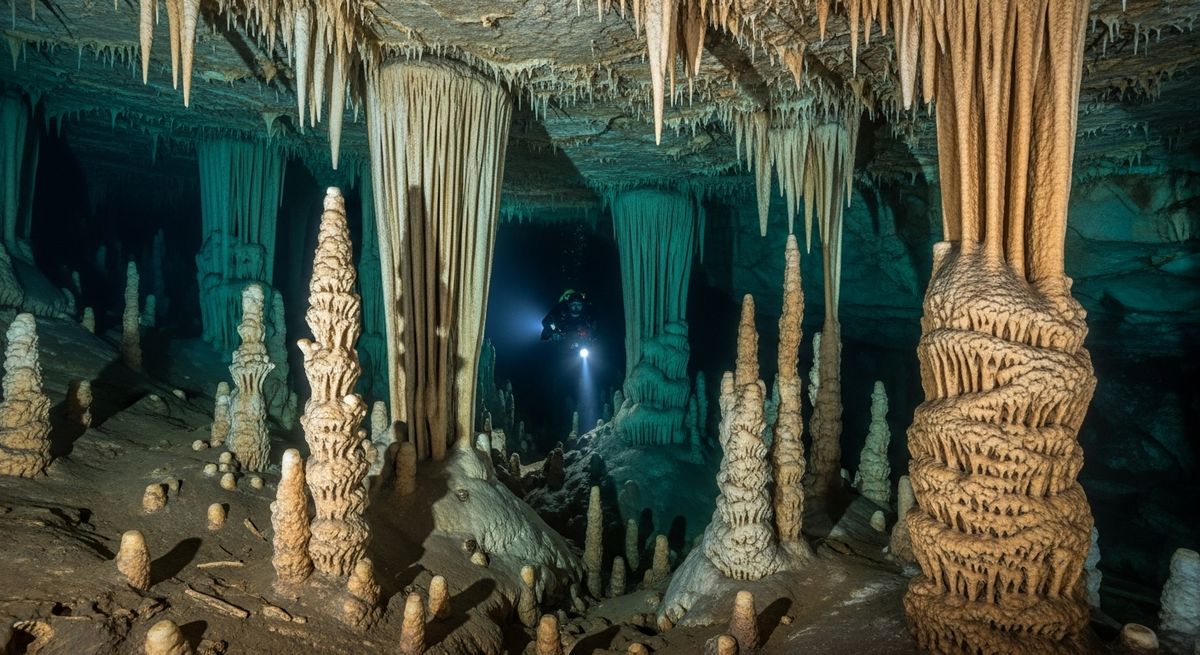
Overhead environment - never enter without proper cave/cavern training, redundant equipment, and a guideline.
Nearest Dive Centres to Jane Sea (Wreck)
Dive shops near Jane Sea (Wreck)
Aruba Watersafety Institute
Nautilus Dive Center Aruba
Fly and Dive
Aqua Windies
JADS Dive Center
Reviews for Jane Sea (Wreck)
Conditions
Ocean conditions, forecast and tides for Jane Sea (Wreck)
Jane Sea (Wreck) Ocean Conditions
Monthly averages for Jane Sea (Wreck), sourced from Open-Meteo marine data - nearest station: Open-Meteo marine grid (12.42, -70.08) (19km away)
October Averages
Sea Temperature
30°C
86°F · Range: 28.3–31.4°C
Air Temperature
29°C
84°F
Wind Speed
7.31 m/s
14.2 knots
Atmospheric Pressure
1010.2 hPa
Based on 4 years of monitoring data · Data sources: Open-Meteo marine data
Plan & book
Ways to dive Aruba Leeward Coast, from day trips to liveaboards.
Day trips & courses
via GetYourGuideGuided dives, courses and snorkel trips with instant booking.
Find dive trips in Aruba Leeward CoastPlaces to stay
via Booking.comHotels and dive resorts near Aruba Leeward Coast.
Search stays in Aruba Leeward CoastDive insurance
Most travel insurance excludes or limits scuba. Check what you need before you go.
Dive insurance explainedPartner links: we may earn a commission if you book, at no extra cost to you. How we make money
Where to Stay near Jane Sea (Wreck)
Prices from Booking.com. We may earn a commission at no extra cost to you.