Inner Bommies
Protected Area
Cay Sal Marine Managed Area
Why dive here
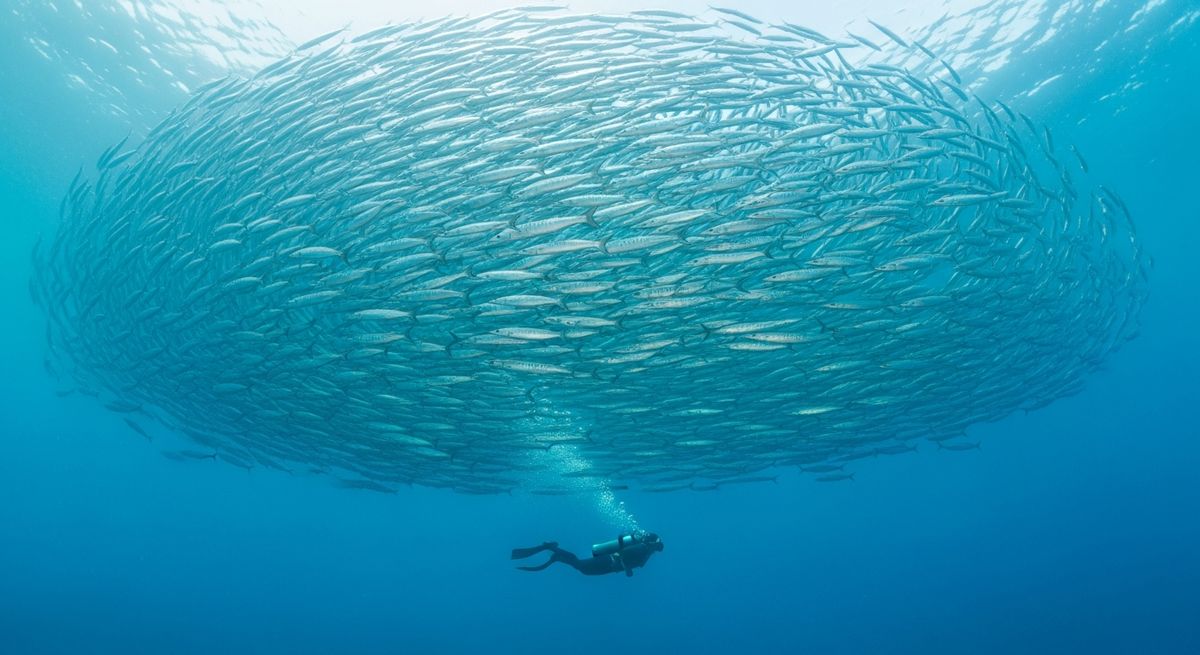
With 623+ marine species recorded in the area - including barracuda, blue sharks, bull sharks, dolphins and eagle rays - Inner Bommies offers some of Bimini's richest diving. Water ranges 25-31°C, warmest July, August, September.
Inner Bommies, in Bimini, offers a relaxed dive among scattered coral heads. We often spot dusky smoothhounds here, cruising over the sandy patches between the bommies. It's a nice easygoing spot, good for a second dive of the day or if you're looking for something gentle. Expect a calm drift and plenty of time to explore the nooks and crannies.
Reviews for Inner Bommies
Conditions
Ocean conditions, forecast and tides for Inner Bommies
Inner Bommies Ocean Conditions
Monthly averages for Inner Bommies, sourced from Open-Meteo marine data - nearest station: Open-Meteo marine grid (23.78, -80.27) (10km away)
October Averages
Sea Temperature
29°C
84°F · Range: 26.7–30.8°C
Air Temperature
28°C
82°F
Wind Speed
8.01 m/s
15.6 knots
Atmospheric Pressure
1013.7 hPa
Based on 4 years of monitoring data · Data sources: Open-Meteo marine data
Plan & book
Ways to dive Bimini, from day trips to liveaboards.
Day trips & courses
via GetYourGuideGuided dives, courses and snorkel trips with instant booking.
Find dive trips in BiminiPlaces to stay
via Booking.comHotels and dive resorts near Bimini.
Search stays in BiminiDive insurance
Most travel insurance excludes or limits scuba. Check what you need before you go.
Dive insurance explainedPartner links: we may earn a commission if you book, at no extra cost to you. How we make money
Where to Stay near Inner Bommies
Prices from Booking.com. We may earn a commission at no extra cost to you.