
Diving in British Virgin Islands
Why dive here
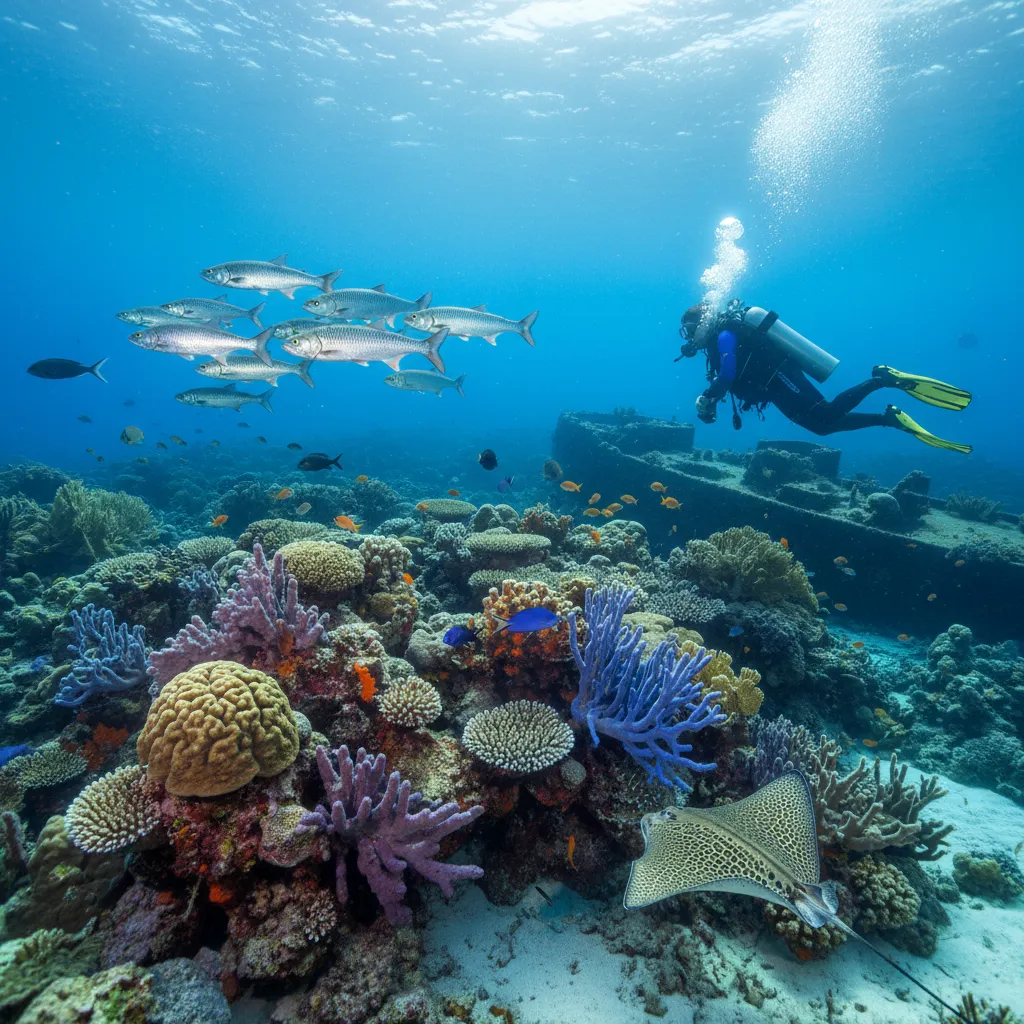
British Virgin Islands offers rich diving, with 491+ marine species recorded in its waters - including barracuda, blacktip reef sharks, dolphins, dwarf minke whales and eagle rays. Water ranges 27-30°C, warmest August, September, October.
The British Virgin Islands are about laid-back boat diving and the sheer joy of being on the water all day. We find the liveaboard experience here particularly good, letting you hop from one island to the next with ease. Salt Island and Cooper Island are our top picks for good reason, home to the RMS Rhone, a wreck that genuinely lives up to its reputation. Swimming through its broken sections, seeing barracuda hang motionless in the current, it’s a proper expedition. Virgin Gorda and Anegada also offer some rewarding dives, especially if you’re keen to spot a scalloped hammerhead or a tarpon cruising the reef edge. Visibility is usually excellent, and the reefs feel healthy, often with dense schools of bicolor damselfish flitting among the corals.
British Virgin Islands Dive Regions Map
British Virgin Islands Dive Regions
2 diving areas in British Virgin Islands
Salt Island & Cooper Island
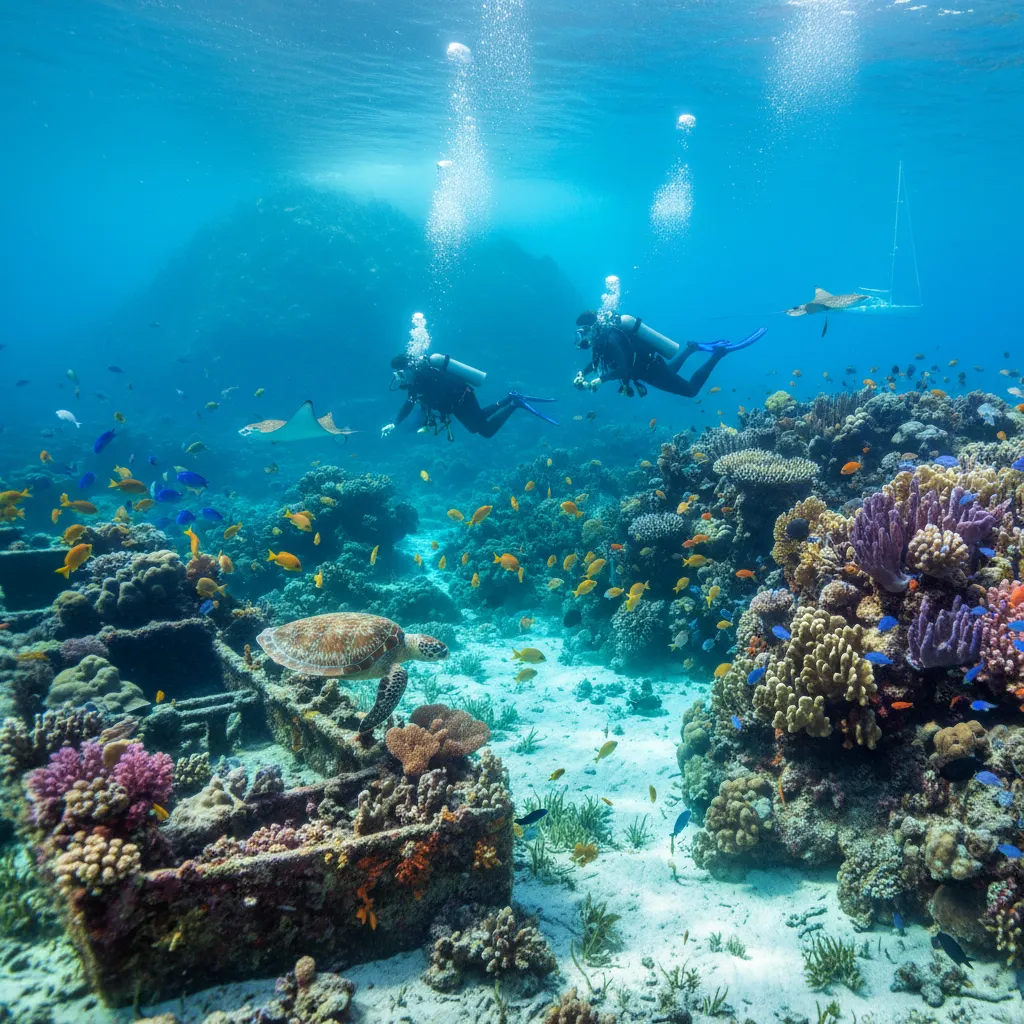
This corner of the BVI, around Salt and Cooper Islands, is where we often recommend divers start their exploration. It's home to the legendary RMS Rhone wreck, and honestly, we think the Rhone alone is worth the trip. We love diving the bow section early, before the day boats arrive, watching the morning light filter through the old iron, revealing the schools of spot snapper tucked into every crevice. You’ll feel the history down there, a tangible silence in the wreck's shadow. Beyond the Rhone, the reefs nearby offer a more relaxed pace. We’ve spent hours drifting along the walls, spotting green turtles gliding past and occasionally a blackedge triplefin darting between the bushy coral. The currents around here can pick up, especially if you’re venturing further from the main channels, so it’s always wise to check the conditions. Our favourite little tip: if you’re looking for something a bit different, keep an eye out for granular frog shells on the sandy patches near the coral heads - they’re a real treat to find. The visibility is usually excellent, making it easy to spot even the well-camouflaged hamlets or the intricate patterns of scroll coral. We find late morning is a great time to be in the water around Cooper, the light is bright and the fish are active.
Virgin Gorda & Anegada
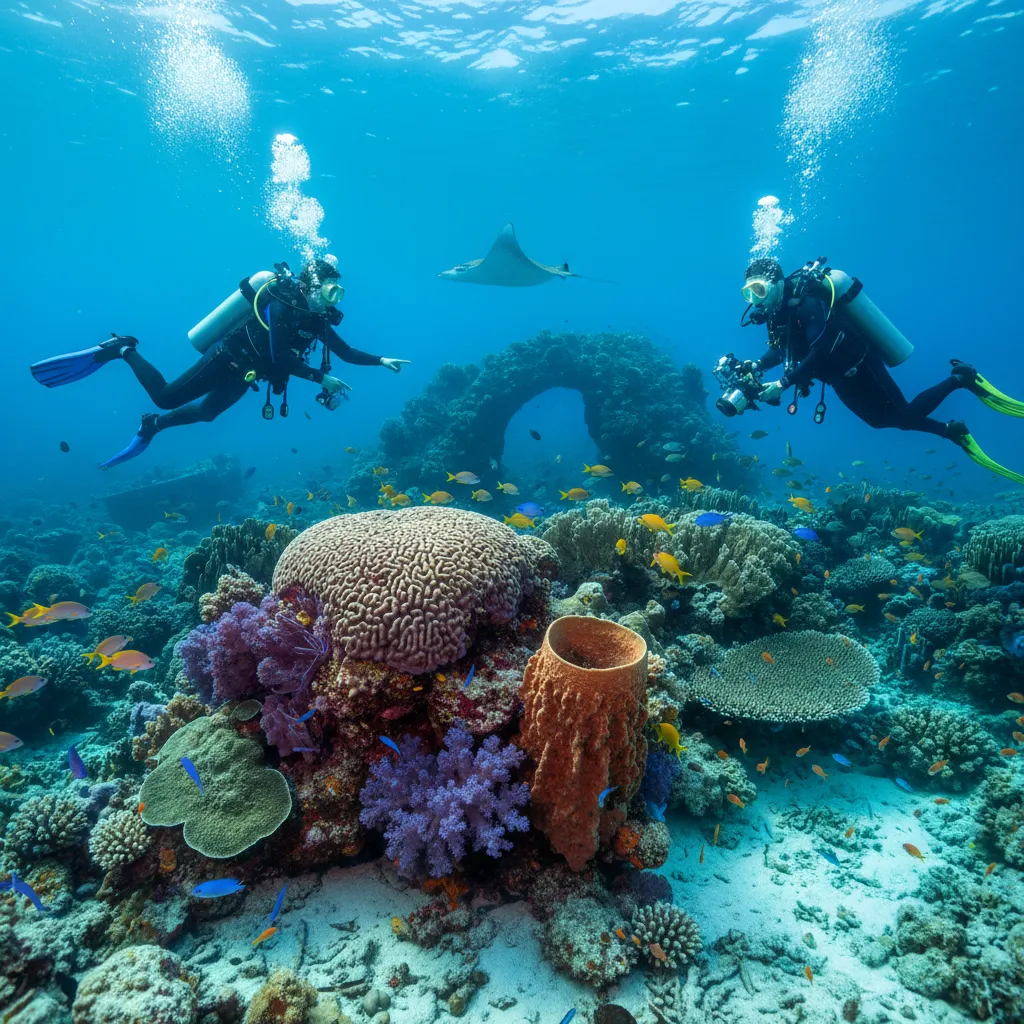
Virgin Gorda and Anegada offer a split personality to BVI diving, and we love them both for different reasons. Virgin Gorda’s dive sites often mirror its famous Baths, with impressive granite boulders creating swim-throughs and canyons underwater. It feels like navigating a submerged labyrinth, with schools of grunts and snappers congregating in the shadowy pockets. Our favourite moments here involve just hovering in those sun-dappled corridors, watching the light play on the rock faces. Anegada, by contrast, is all about the Horseshoe Reef, a sprawling, shallow barrier reef that’s unlike anything else in the Caribbean. We’d suggest dedicating a full day, maybe even two, to Anegada if you can swing it. The currents here can be a lively drift, carrying you past huge brain corals and vibrant sponges where you’ll spot clown wrasse and longfin blennies darting in and out. It’s a completely different rhythm of diving, a wide-open feel compared to Virgin Gorda's more intimate geology. Visibility is usually solid, often pushing past 20 meters, making those long drifts particularly enjoyable. Just keep an eye on your depth here, as it can be easy to get distracted by the sheer scale of the reef.
Ocean Wildlife in British Virgin Islands
491 species recorded in British Virgin Islands
British Virgin Islands Visa Requirements
Check if you need a visa to dive in British Virgin Islands
Plan & book
Ways to dive British Virgin Islands, from day trips to liveaboards.
Day trips & courses
via GetYourGuideGuided dives, courses and snorkel trips with instant booking.
Find dive trips in British Virgin IslandsPlaces to stay
via Booking.comHotels and dive resorts near British Virgin Islands.
Search stays in British Virgin IslandsDive insurance
Most travel insurance excludes or limits scuba. Check what you need before you go.
Dive insurance explainedPartner links: we may earn a commission if you book, at no extra cost to you. How we make money