Diving in Cuba
Why dive here
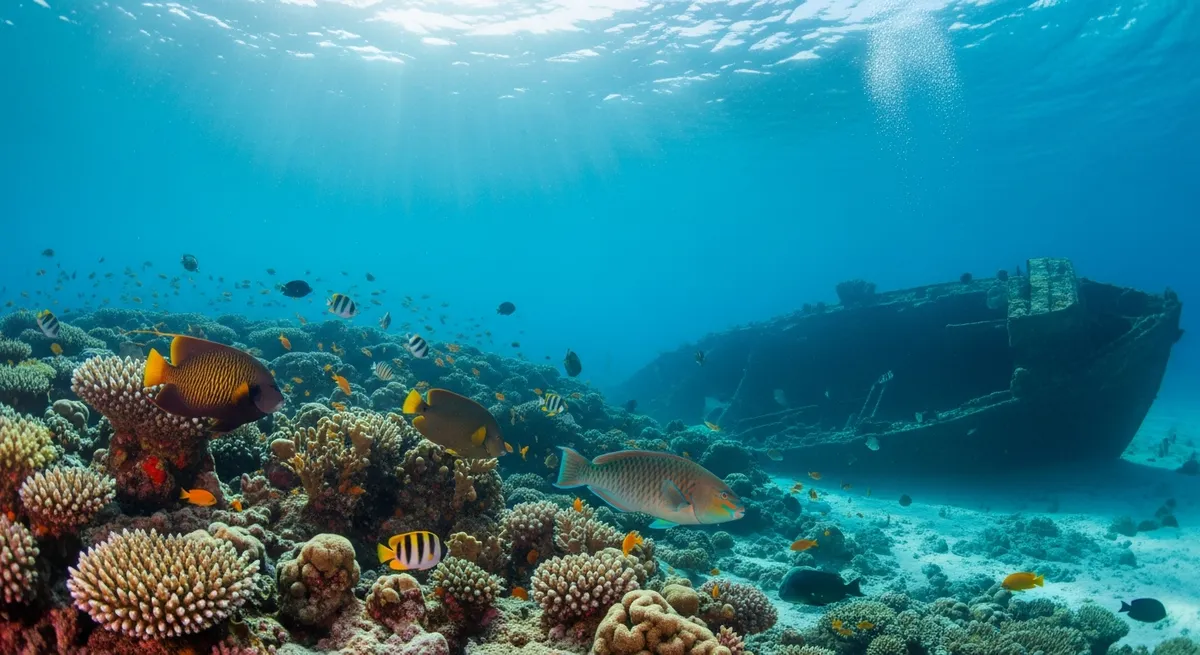
Cuba offers rich diving, with 538+ marine species recorded in its waters - including barracuda, blue sharks, bull sharks, dolphins and eagle rays. Water ranges 26-31°C, warmest July, August, September.
Cuba’s diving feels like stepping back in time, and we mean that in the best way. Sure, some of the dive ops might be a little rough around the edges, but that’s part of the charm, and it means the reefs themselves are generally in fantastic shape. We love the dramatic wall diving off María la Gorda in the west, and the Bay of Pigs offers some unique shore entry opportunities into cenotes and calm reefs perfect for shaking off dive rust. But if you’re coming to Cuba for the big stuff, it has to be Jardines de la Reina. Think silky sharks, Caribbean reef sharks, and even crocodiles if you’re brave enough to try a surface snorkel encounter. Go liveaboard there for a week; it’s a completely different rhythm, isolated and wild. Vis is generally great year-round, but avoiding hurricane season from August to October is a smart move.
Cuba Dive Regions Map
Cuba Dive Regions
7 diving areas in Cuba
Bay of Pigs
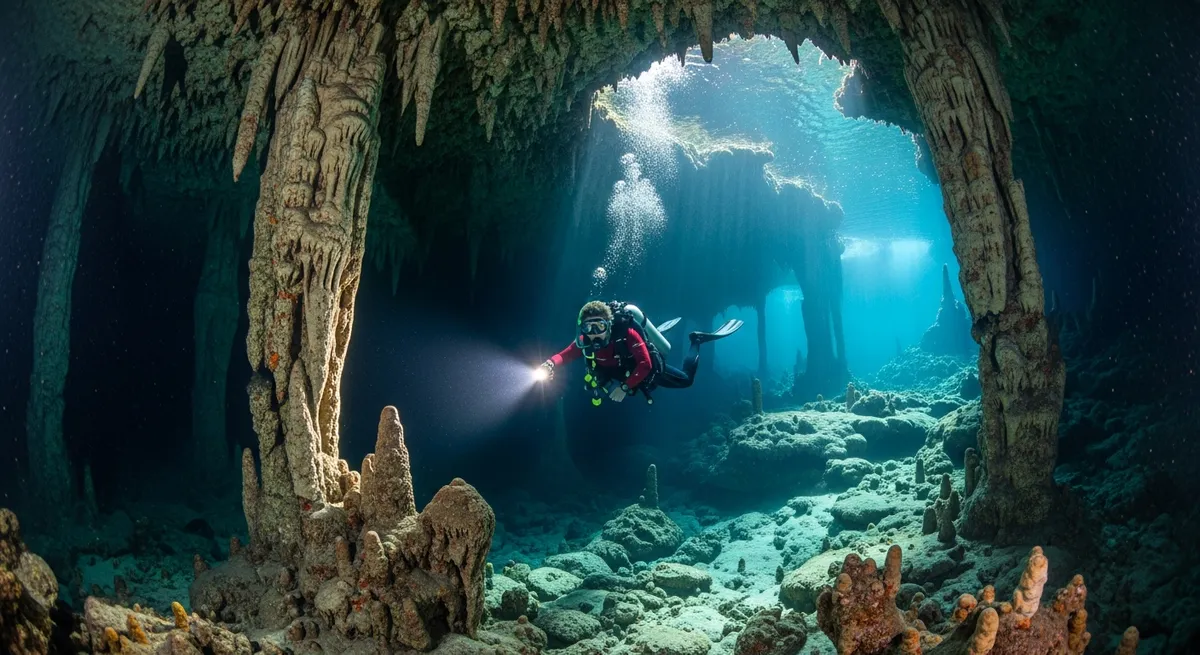
Cenote-like shore diving along the dramatic limestone coastline with caves, caverns, and vertical walls starting right from the shore. Excellent for both snorkelling and scuba.
Isla de la Juventud
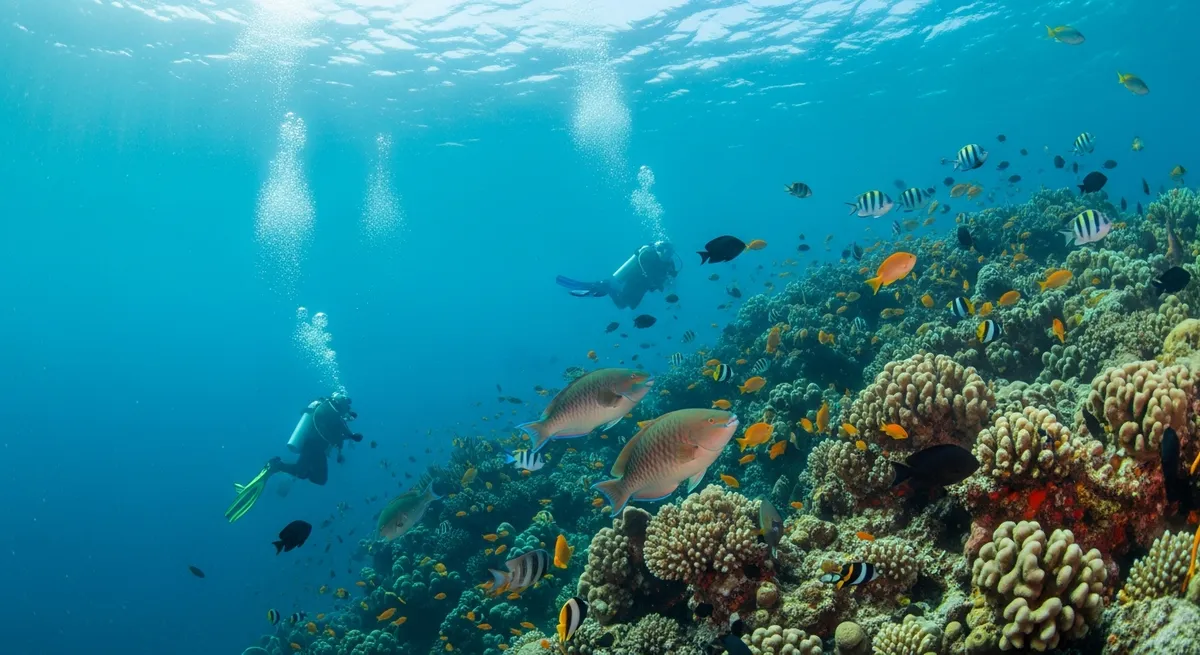
Isla de la Juventud, for us, is all about the dramatic walls. You’ll spend most dives drifting along these vertical faces, exploring the caves and tunnels carved into the limestone. We love the swim-throughs here, often bursting with schools of snapper and grunt, sometimes so thick they practically push you through. Keep an eye out for the big stuff too; we’ve had some cracking encounters with green sea turtles cruising the currents and even a couple of passing whale sharks in late spring, though they are certainly not a guarantee. The reef health here is genuinely impressive, a testament to its remote location. You’ll find healthy hard and soft corals clinging to every surface, providing shelter for a surprisingly diverse cast of characters. We’re always on the lookout for the endemic Cuban hogfish, which we’ve spotted on nearly every dive. The visibility is usually excellent, often pushing past 30 metres, making it easy to appreciate the scale of these impressive underwater landscapes. If you’re into wall diving with a touch of exploration, Isla de la Juventud is a proper treat.
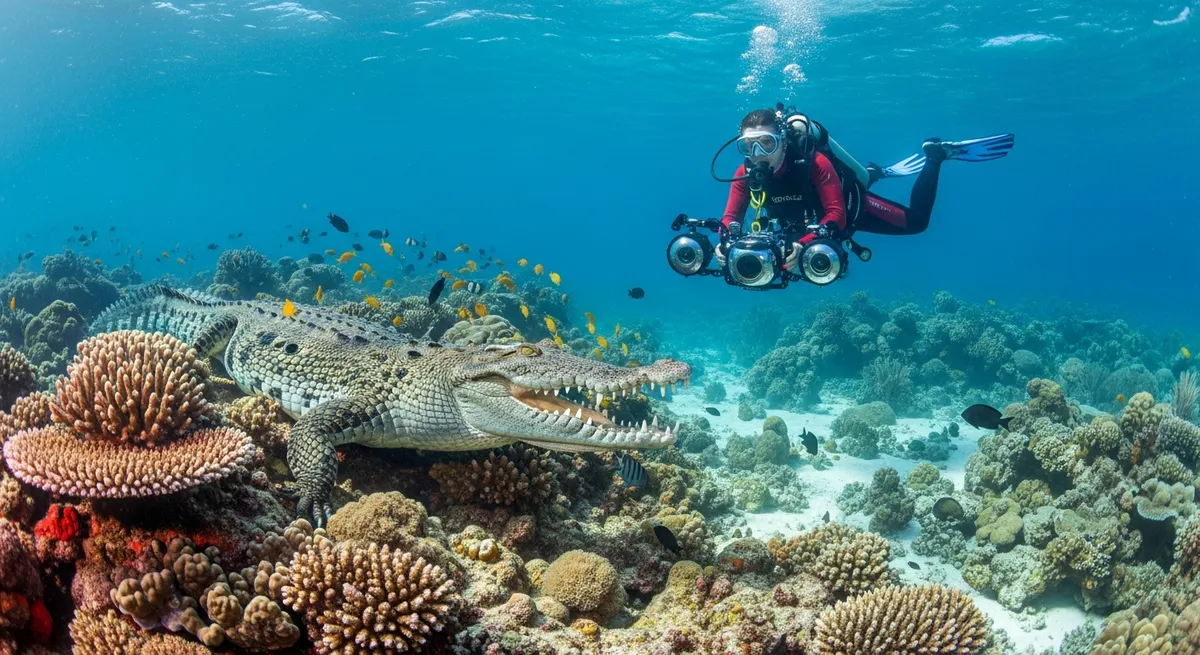
Jardines de la Reina
Jardines de la Reina, for us, is Cuba’s real treasure. Forget the old cars, this is where the wild things are. You're out in the open ocean here, liveaboard access only, which keeps the crowds away and the reef in spectacular shape. We always feel a different kind of calm slipping into the water here, knowing how protected it is. The big draw, and what we genuinely love, are the sharks. Caribbean reef sharks are everywhere, not shy at all. We’ve had them circle us for entire dives, curious and calm. It’s not just the sharks, though. The walls are just exploding with color, like someone spilled a paintbox. You'll see massive barrel sponges, big enough to climb inside, and the shallower reef tops are just covered in elkhorn coral, which is a rare sight these days. Keep an eye out for saltwater crocodiles too, often seen lounging on the mangroves. It’s a truly wild experience. Our favourite time to visit is late spring, when the visibility is usually excellent and the water warm. If you’re a macro lover, the abundance of gobies and pipefish here will keep you busy for hours. We’d suggest you factor in a few extra days if possible.
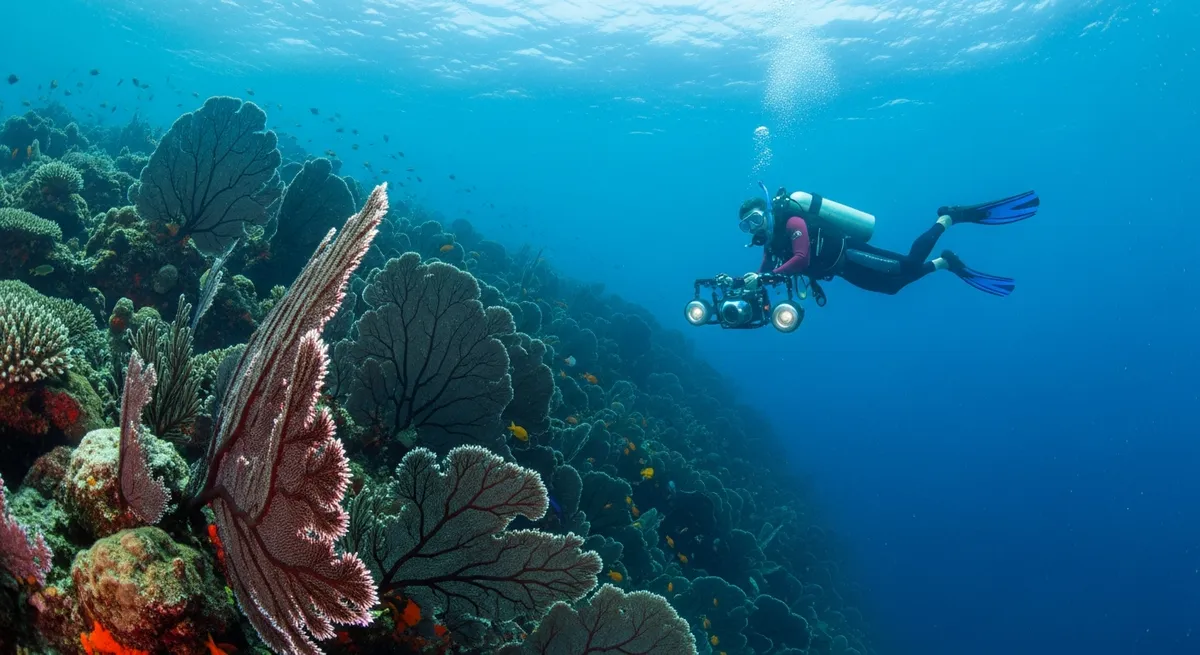
María la Gorda
María la Gorda really sticks out from the usual Caribbean spots. We love that it’s such a trek to get there, because it means the reefs stay quiet. You’re diving walls draped in black coral, some of the most extensive formations we've seen, and the water feels incredibly clean. The sheer size of the mustard hill coral colonies here is impressive, they just seem to go on forever, forming these complex, multi-layered structures that are a real treat to explore. Our favourite dive is often on the deeper sections, maybe 20-30m, where we’ve regularly encountered schools of mutton snapper so thick they momentarily dim the light. Keep an eye out for the barracudina, sleek and silver, they glide past with an almost effortless grace. We’ve had some truly memorable moments just hanging out, watching key worm eels poking their heads from the sand. The best time to visit is probably outside hurricane season, roughly November through May, when the visibility is consistently excellent, often pushing 30 metres, and the currents are generally mild, making it very comfortable for newer divers. Even though it's remote, the dive operations here are well-run and friendly, a welcome relief after the long drive.
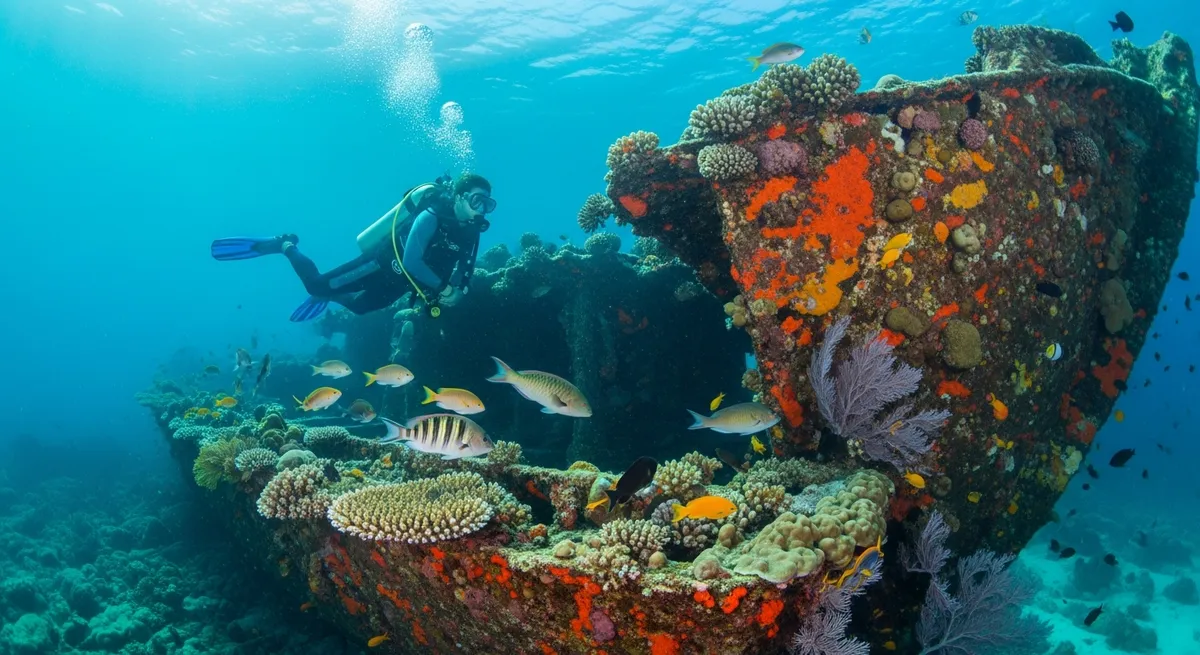
Santiago de Cuba
Eastern Cuba's largest city offers wreck diving, reef exploration, and the unique experience of diving near the sunken Spanish fleet from the 1898 naval battle.
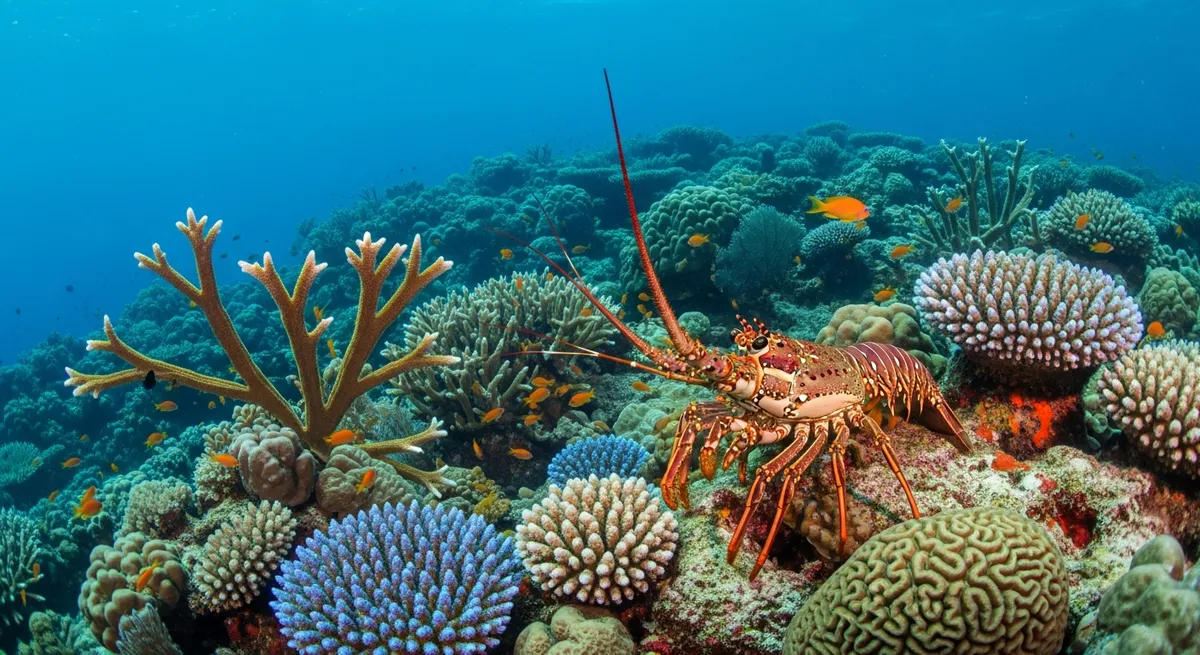
Trinidad & Cienfuegos Coast
The south-central coast offers wall diving off the Ancon Peninsula, coral gardens along the Caribbean shelf edge, and the historic colonial atmosphere of Trinidad onshore.
Varadero
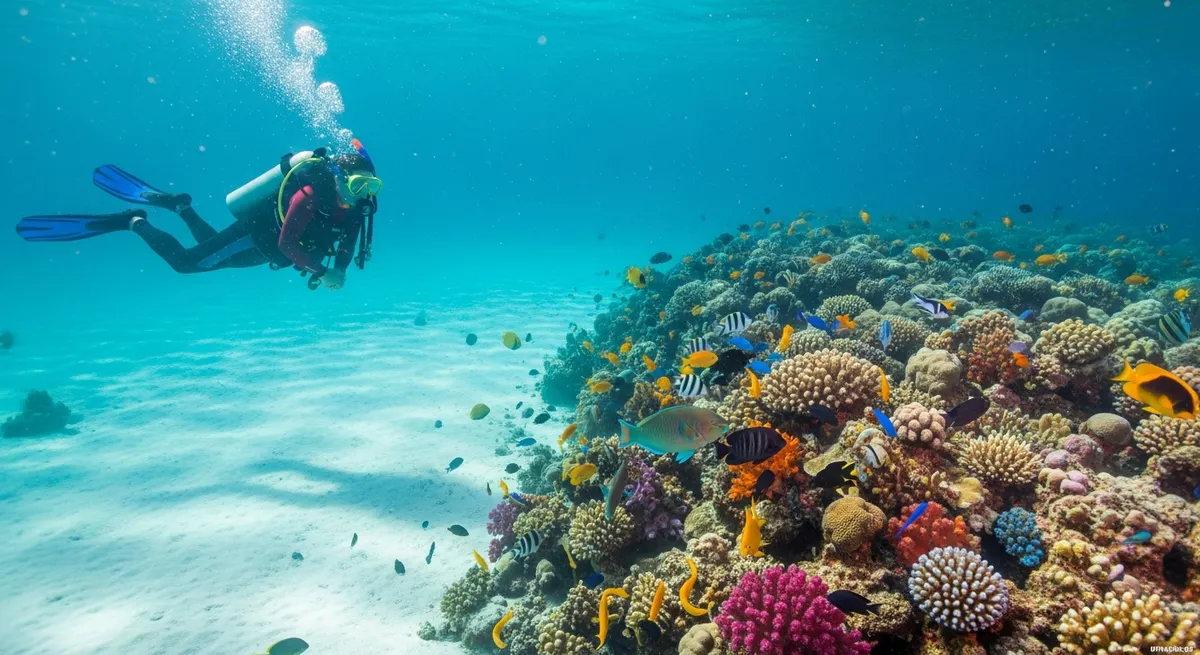
Varadero diving is convenient, and that’s a big part of its charm. You’re right there in Cuba’s most famous resort town, so it's all about easy access to some decent diving. We're talking reefs that start shallow and hold plenty of grunts and schoolmasters, plus a few wreck dives for a bit more interest. Our favourite site here has to be the Neptune wreck. It's not a massive freighter, but it’s a nice size for an intermediate dive, with good penetration opportunities if you’re qualified, and often has schools of jacks swirling around it. We've also had some fun dives among the elkhorn coral formations, keeping an eye out for the shy blackfin blennies tucked into crevices. The currents are generally mild, making it a good spot for easing back into diving or for those newer to the sport. Visibility is usually pretty good, particularly in the summer months, often pushing past 20 metres. And for something completely different, don't miss the chance to dive the Saturno cave system - the light rays piercing the freshwater are genuinely something to see, even if it's not a classic coral reef dive.
Ocean Wildlife in Cuba
538 species recorded in Cuba
Cuba Visa Requirements
Check if you need a visa to dive in Cuba
Plan & book
Ways to dive Cuba, from day trips to liveaboards.
Day trips & courses
via GetYourGuideGuided dives, courses and snorkel trips with instant booking.
Find dive trips in CubaPlaces to stay
via Booking.comHotels and dive resorts near Cuba.
Search stays in CubaDive insurance
Most travel insurance excludes or limits scuba. Check what you need before you go.
Dive insurance explainedPartner links: we may earn a commission if you book, at no extra cost to you. How we make money