Diving in Jardines de la Reina
Why dive here
Jardines de la Reina offers some of Cuba's richest diving, with 483+ marine species recorded in the area - including barracuda, bull sharks, eagle rays, humpback whales and nurse sharks. Water ranges 25-32°C, warmest July, August, September.
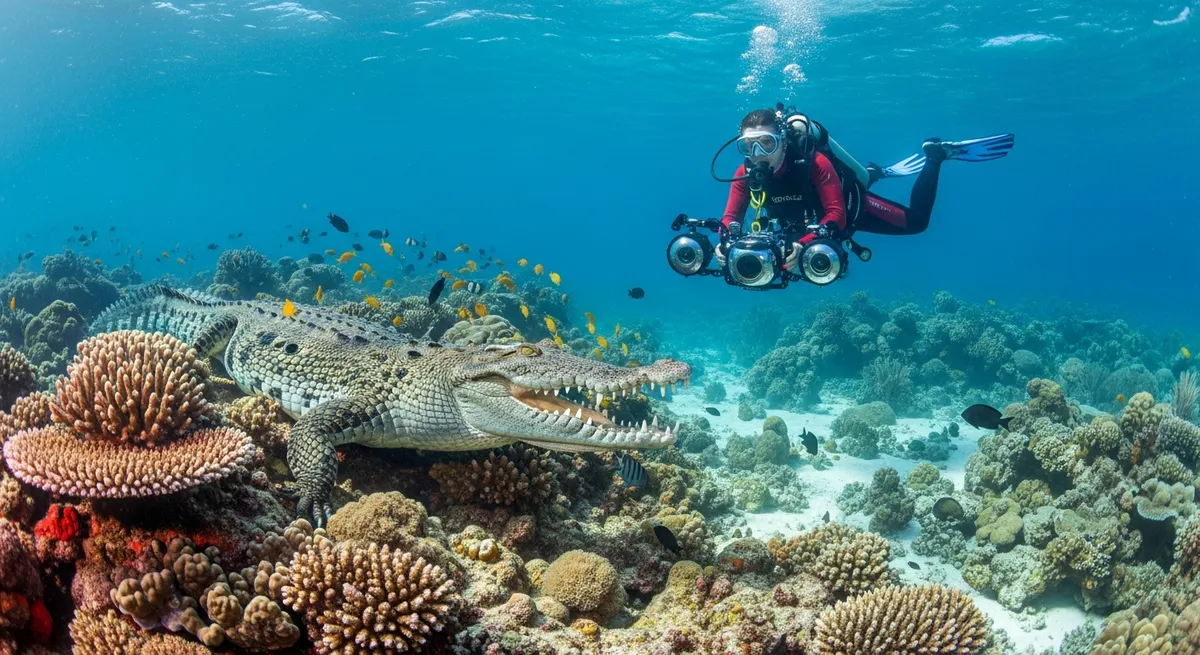
Jardines de la Reina, for us, is Cuba’s real treasure. Forget the old cars, this is where the wild things are. You're out in the open ocean here, liveaboard access only, which keeps the crowds away and the reef in spectacular shape. We always feel a different kind of calm slipping into the water here, knowing how protected it is. The big draw, and what we genuinely love, are the sharks. Caribbean reef sharks are everywhere, not shy at all. We’ve had them circle us for entire dives, curious and calm. It’s not just the sharks, though. The walls are just exploding with color, like someone spilled a paintbox. You'll see massive barrel sponges, big enough to climb inside, and the shallower reef tops are just covered in elkhorn coral, which is a rare sight these days. Keep an eye out for saltwater crocodiles too, often seen lounging on the mangroves. It’s a truly wild experience. Our favourite time to visit is late spring, when the visibility is usually excellent and the water warm. If you’re a macro lover, the abundance of gobies and pipefish here will keep you busy for hours. We’d suggest you factor in a few extra days if possible.
Jardines de la Reina Dive Site Map
Dive sites and dive centres in Jardines de la Reina
Jardines de la Reina Dive Sites
33 dive sites in Jardines de la Reina
Black Coral I and II
Black Coral I and II are the shark spots in Jardines de la Reina, and they rarely disappoint. We often see silvertips and Caribbean reef sharks here, sometimes in significant numbers. The top of the reef sits around 25m, then slopes deeper, a nice backdrop for the show. These sharks are curious rather than aggressive, though we always suggest keeping hands tucked in, just to avoid any confusion. If you’re looking for a close-up shark encounter in the Caribbean, these sites deliver a reliably engaging dive.
Bucanero
Bucanero in Jardines de la Reina is a solid Caribbean dive. You'll often find Caribbean reef sharks making lazy passes, and the resident goliath groupers are usually keen to check you out. It’s a good spot for divers looking for reliable shark encounters in a relaxed setting, without needing tricky navigation or deep profiles. Expect healthy corals and plenty of the usual reef fish.
Cabeza de la Cubera
Cabeza de la Cubera, or 'Snapper’s Head,' is a solid spot in Jardines de la Reina. The wall starts shallow, around 7 meters, and then just keeps going. You’ll definitely see snapper here, big ones, and grouper too. We’ve heard stories about the largest goliath grouper ever recorded being spotted on this reef, though we haven't seen it ourselves. The goliaths can get quite curious, sometimes following you closely, a legacy of the liveaboards feeding them. Expect Caribbean reef sharks cruising by, and tarpon often hang out in the blue. Keep an eye out for black grouper, green morays in the crevices, and maybe a roughtail stingray gliding along the sand. It’s an easy dive, good for getting comfortable with wall diving and those bigger Caribbean fish.
Canto Chiquiton
Canto Chiquiton is a solid choice for a dive in Jardines de la Reina. We've seen plenty of reef sharks cruising through, often close to the drop-off. Keep an eye out for Goliath groupers too, they tend to hang around the deeper sections. It's a relaxed dive, good for photographers or anyone wanting a classic Caribbean reef experience without too much fuss.
Cayo Felipe el Grande
Cayo Felipe el Grande is a solid choice for those looking to experience the classic Jardines de la Reina wall dive. Expect healthy hard corals clinging to the drop-off, where we've often seen Caribbean reef sharks patrolling the blue. It’s a good spot for intermediate divers comfortable with depths, as the real action tends to be along the edge. Keep an eye out for schooling jacks too.
Club Náutico
Club Náutico is one of those reliable Jardines sites where you can just relax and enjoy the show. We’ve often found a good mix of Caribbean reef sharks here, cruising slowly in the blue, alongside plenty of snapper and grunt gathered near the reef. It’s a pretty easygoing dive, good for getting comfortable in the water and observing typical Cuban reef activity without too much effort.
Cuba Diving in the Jardines de la Reina - ‘Garden of Eden’
Alright, so Jardines de la Reina. We know it gets called the ‘Garden of Eden’, and while we shy away from the superlatives, it really does deliver on healthy reefs that feel remarkably untouched. Think sharks, plenty of them – Caribbean reef sharks, silky sharks, sometimes even a hammerhead or two cruising by. It’s an easygoing environment, good for divers still building confidence, but also interesting enough for those of us who’ve been around the block. You’ll see schools of snapper and grunts, big tarpon lurking in the shadows, and we’ve had some cracking encounters with manta rays here, too. Honestly, if you're looking for consistent big animal action without the crowds, this is where we’d point you.
Diamond Point
Diamond Point in Jardines de la Reina delivers a reliable Caribbean reef dive. We often find the coral formations impressive, with a good chance of spotting larger pelagics moving through. Keep an eye out for American eels tucked into crevices, and we’ve even been fortunate enough to encounter sperm whales here. It’s a solid choice for divers who appreciate healthy reef structures and the potential for big animal encounters.
El Acuario I
El Acuario I in Jardines de la Reina lives up to its name, offering a real fishbowl experience. We've often seen Caribbean reef sharks patrolling the area, along with big schools of snapper and jacks swirling through the clear water. It’s a pretty straightforward dive, ideal for those looking for reliable shark encounters in a protected environment. Visibility here is usually excellent, making it easy to just relax and watch the show.
Farallón
Farallón, or ‘The Cliff’ as we know it, is a big coral mountain that feels a bit like diving a submerged plateau in Jardines de la Reina. You drop onto the top at around 15 metres, and then the sand slopes away to a deeper 30 metres. It’s an interesting spot, particularly for those who like to hang out and see what swims past. We've seen some impressive schools of grunts and jacks here, often so thick they make you feel small. Tarpons are regulars, too, and we often spot Caribbean reef sharks making lazy passes. Sometimes, if you're lucky, a silky shark will cruise by in the blue. It’s a good, solid dive that rewards patience, often best done when you can dedicate some time to just observing the reef action.
Guardalavaca
Guardalavaca offers a gentle introduction to Jardines de la Reina. At 23 metres, it’s a calm site, good for less experienced divers looking to get comfortable. We’ve seen a decent variety of smaller reef fish here, along with the occasional nurse shark tucked under ledges. It's not a site that will blow your mind, but it’s a solid, easy dive.
Jardines de la Reina
Jardines de la Reina, for us, is all about the sharks. Not just a few, but a constant presence of Caribbean reef sharks. You'll drop in, and they're there, circling lazily, almost curious. It's a completely different vibe from other Caribbean spots, where you might be lucky to spot one. Here, they're part of the furniture, alongside the big Nassau groupers who don't seem bothered by divers at all. What we really love is the feeling of remoteness. You're 60 miles off the Cuban coast, staying on a liveaboard, with nothing but open ocean and mangroves around. That isolation helps keep the reefs healthy; you see fewer signs of human impact here than almost anywhere else in the region. Visibility usually sits around 19 metres, a lovely clear blue. We've often been buzzed by schools of French grunts and porkfish, so dense they shimmer. Our favourite tip? Keep an eye on the shallower mangrove edges, especially at high tide, for the chance to spot a saltwater croc. It’s an unusual encounter, certainly not for everyone, but undeniably unique. This place suits divers who want a wilder, more unvarnished Caribbean experience, especially those who appreciate consistent shark encounters and don't mind a journey to get there.
Show all 33 dive sites in Jardines de la Reina
Jardines de la Reina Dive Centres
9 dive shops and operators in Jardines de la Reina
AVALON CUBAN DIVING CENTERS
Base Náutica Marlin
Centro de Buceo Sharks Friends
Club Náutico
Diving and Nautical Center
Diving Center
Dressel Divers Montego Bay
Garfield diving station
Show all 9 dive centres in Jardines de la Reina
Ocean Wildlife in Jardines de la Reina
483 species recorded in Jardines de la Reina
Jardines de la Reina Daylight & Sunrise/Sunset
Sunrise and sunset times for Jardines de la Reina, calculated from coordinates
Today - Sunday 11 October
Sunrise
06:05
Sunset
17:52
Daylight
11h 47m
Golden Hour
17:22
First light (dawn) at 05:43 · Last light (dusk) at 18:14
Monthly Averages
| Month | Sunrise | Sunset | Daylight |
|---|---|---|---|
| Jan | 06:51 | 17:50 | 10h 58m |
| Feb | 06:43 | 18:09 | 11h 26m |
| Mar | 06:21 | 18:20 | 11h 59m |
| Apr | 05:53 | 18:30 | 12h 37m |
| May | 05:34 | 18:42 | 13h 8m |
| JunLongest | 05:30 | 18:54 | 13h 24m |
| Jul | 05:38 | 18:56 | 13h 18m |
| Aug | 05:50 | 18:43 | 12h 53m |
| Sep | 05:58 | 18:16 | 12h 18m |
| OctNow | 06:06 | 17:48 | 11h 42m |
| Nov | 06:21 | 17:31 | 11h 9m |
| DecShortest | 06:40 | 17:32 | 10h 52m |
Times are approximate local times based on longitude. Actual times may vary slightly depending on the exact timezone observed in Jardines de la Reina.
Where to Stay near Jardines de la Reina
Prices from Booking.com. We may earn a commission at no extra cost to you.
Marine Protected Areas near Jardines de la Reina
31 protected areas near Jardines de la Reina - please respect local regulations when diving
Buenavista
Buenavista
Jardines de la Reina
Humedales del Norte de Ciego de Avila
Humedales de Cayo Romano
Gran Humedal del Norte de Ciego de Ávila
Banco de Buena Esperanza - Managuano
Cayos de Ana María
Centro y Oeste de Cayo Coco
Ensenada del Gua y Cayos de Manzanillo
Río Máximo
Humedal Río Máximo-Cagüey
Showing 12 largest of 31
Getting to Jardines de la Reina
Camaguey
Holguin
Santiago
Plan & book
Ways to dive Jardines de la Reina, from day trips to liveaboards.
Day trips & courses
via GetYourGuideGuided dives, courses and snorkel trips with instant booking.
Find dive trips in Jardines de la ReinaPlaces to stay
via Booking.comHotels and dive resorts near Jardines de la Reina.
Search stays in Jardines de la ReinaDive insurance
Most travel insurance excludes or limits scuba. Check what you need before you go.
Dive insurance explainedPartner links: we may earn a commission if you book, at no extra cost to you. How we make money