Habitat
Protected Area
Shete Boka Park
Why dive here
With 310+ marine species recorded in the area - including barracuda, octopuses, orcas, sea turtles and sperm whales - Habitat offers some of Curaçao Southeast's richest reef diving. Water ranges 27-30°C, warmest September, October, November.
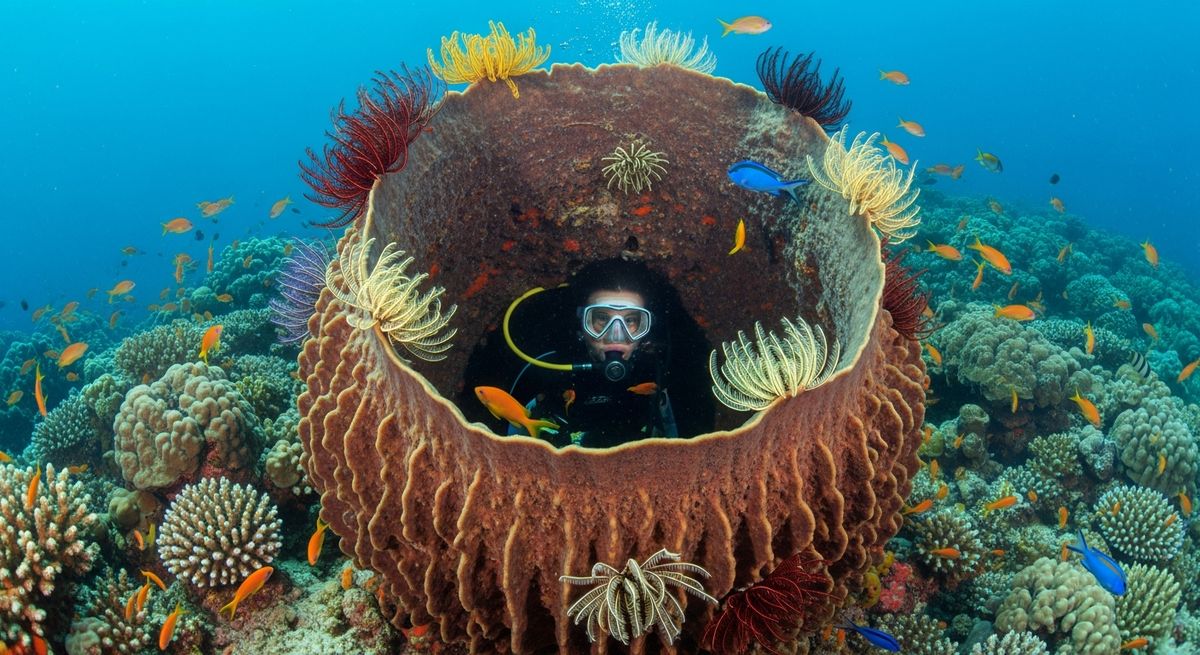
Habitat isn't just a dive; it's an experience that starts with a friendly chat at the local dive school – a nice touch that keeps it from getting overrun. We love the easy entry from the pier; a short fin kick and you're right on a stunning wall. It drops to a comfortable 22 meters, perfect for a long, relaxed dive. The wall itself is riddled with crevices and overhangs. Keep an eye out for the shy Spotted Lanternfish tucked away, and we often spot Trunkfish meandering along the reef crest. Our favourite thing here is how the light plays on the lettuce corals, especially in the late morning sun. We've had some memorable encounters with Green Turtles munching away in the shallower sections. You'll often see schools of surgeonfish patrolling the top of the reef, and if you have a good eye, tiny Yellowline Gobies darting between corals. It's a great spot for macro lovers, but also suits divers who just want a straightforward, beautiful wall dive without strong currents.
Nearest Dive Centres to Habitat
Dive shops near Habitat
Coral Divers Curacao
Divers Republic
Porto Mari Dive Center
Relaxed Guided Dives
Duikstudio Leon
Curaçao Divers
Reviews for Habitat
Conditions
Ocean conditions, forecast and tides for Habitat
Habitat Ocean Conditions
Monthly averages for Habitat, sourced from Open-Meteo marine data + Copernicus Marine (EU) - nearest station: Open-Meteo marine grid (12.15, -68.97) (2km away)
October Averages
Sea Temperature
30°C
86°F · Range: 29.4–31.4°C
Current Speed
3.61 cm/s
Direction: NW (326.3°)
Chlorophyll-a
0.068 mg/m³
Very clear (oligotrophic)
Salinity
34.91 PSU
Based on 4 years of monitoring data · Data sources: Open-Meteo marine data + Copernicus Marine (EU)
Plan & book
Ways to dive Curaçao Southeast, from day trips to liveaboards.
Day trips & courses
via GetYourGuideGuided dives, courses and snorkel trips with instant booking.
Find dive trips in Curaçao SoutheastPlaces to stay
via Booking.comHotels and dive resorts near Curaçao Southeast.
Search stays in Curaçao SoutheastDive insurance
Most travel insurance excludes or limits scuba. Check what you need before you go.
Dive insurance explainedPartner links: we may earn a commission if you book, at no extra cost to you. How we make money
Where to Stay near Habitat
Prices from Booking.com. We may earn a commission at no extra cost to you.