Sun Reef
Protected Area
Spanish Water Inner Bay Park
Why dive here
With 310+ marine species recorded in the area - including barracuda, octopuses, orcas, sea turtles and sperm whales - Sun Reef offers some of Curaçao Southeast's richest reef diving. Water ranges 27-30°C, warmest September, October, November.
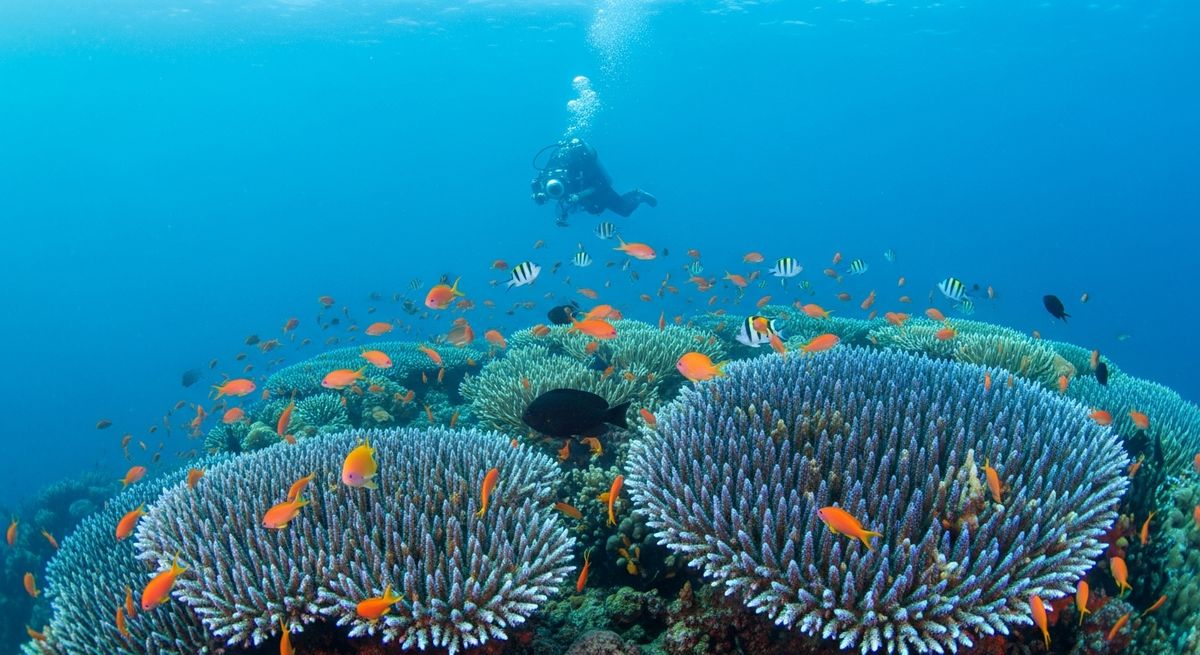
Sun Reef might start with a sandy slope, but stick with it. That sand isn’t just dead space. We’ve found some genuinely interesting creatures there – keep an eye out for Collared Eels poking from the substrate or even the odd American Crested Pipefish trying to blend in. It’s a gentle introduction before the main event: a really lovely wall. The wall itself drops to around 19m, making it a comfortable depth for extended bottom times. We love cruising along, letting the current (usually mild here) carry us. The coral coverage really picks up as you hit the reef edge; expect good stands of Sunray Lettuce Coral and Spiny Flower Coral. Look closely in the nooks and crannies for Butter Hamlets or the often-overlooked Yellowface Pikeblenny. Visibility here averages a comfortable 22m, giving you plenty of light to explore. This site is a solid choice for those who appreciate the smaller, more cryptic critters as much as the bigger reef fish, and it’s a site we return to for its consistent quality.
Nearest Dive Centres to Sun Reef
Dive shops near Sun Reef
Curaçao Divers
Blue Bay Dive and Watersports
ELITE DIVING CURACAO
Central Dive Curacao
The Little Green Boat
THE DIVESHOP
Reviews for Sun Reef
Conditions
Ocean conditions, forecast and tides for Sun Reef
Sun Reef Ocean Conditions
Monthly averages for Sun Reef, sourced from Open-Meteo marine data + Copernicus Marine (EU) - nearest station: Open-Meteo marine grid (12.15, -68.97) (2km away)
October Averages
Sea Temperature
30°C
86°F · Range: 29.4–31.4°C
Current Speed
3.61 cm/s
Direction: NW (326.3°)
Chlorophyll-a
0.068 mg/m³
Very clear (oligotrophic)
Salinity
34.91 PSU
Based on 4 years of monitoring data · Data sources: Open-Meteo marine data + Copernicus Marine (EU)
Plan & book
Ways to dive Curaçao Southeast, from day trips to liveaboards.
Day trips & courses
via GetYourGuideGuided dives, courses and snorkel trips with instant booking.
Find dive trips in Curaçao SoutheastPlaces to stay
via Booking.comHotels and dive resorts near Curaçao Southeast.
Search stays in Curaçao SoutheastDive insurance
Most travel insurance excludes or limits scuba. Check what you need before you go.
Dive insurance explainedPartner links: we may earn a commission if you book, at no extra cost to you. How we make money
Where to Stay near Sun Reef
Prices from Booking.com. We may earn a commission at no extra cost to you.