Lesleen M and Vicky B Wrecks
Protected Area
West Coast (incl. Anse la Raye/Canaries Local Fisheries Management Area and Anse Cochon, Anse Galet and Anse la Verdures)
Why dive here
With 256+ marine species recorded in the area - including bull sharks, dolphins, eagle rays, humpback whales and oceanic whitetip sharks - Lesleen M and Vicky B Wrecks offers some of Anse La Raye's richest wreck diving. Water ranges 27-30°C, warmest August, September, October.
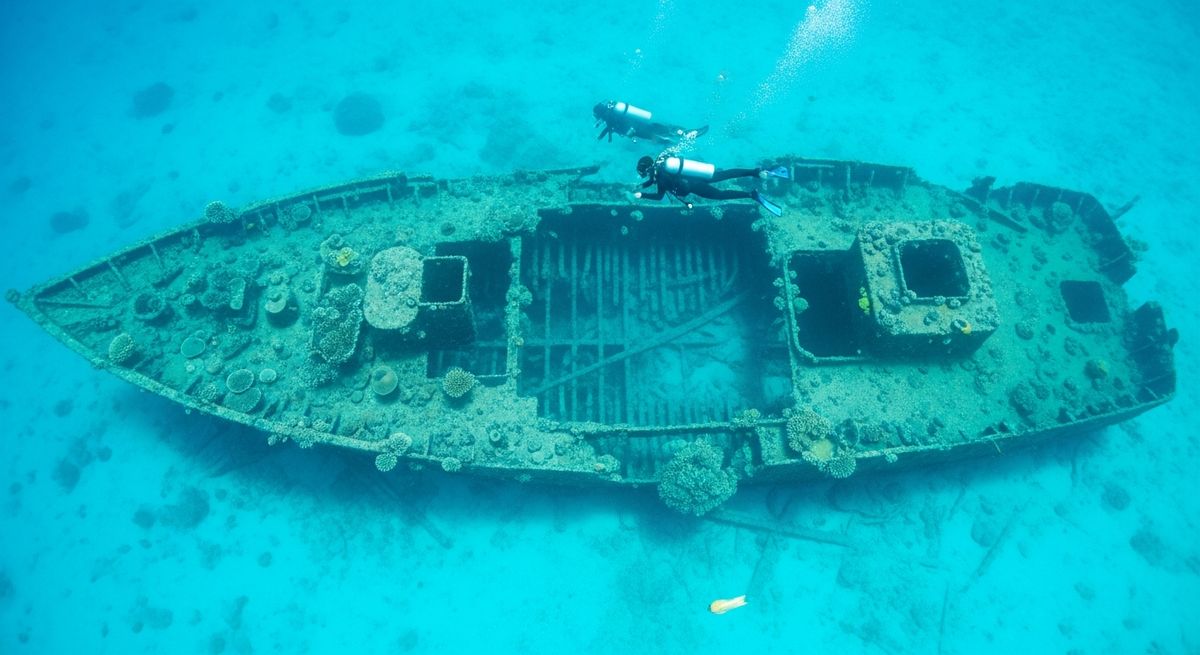
We love an easy wreck dive, and the Lesleen M off Anse Cochon really delivers. Sunk back in '86, this cargo ship is well-colonised now, meaning you get the structure of the wreck mixed with serious growth. Our favourite part is swimming through the cargo holds; keep an eye out for horse-eye jacks circling in the deeper sections, and we often spot big blue parrotfish grazing along the deck. The Vicky B, a fishing boat scuttled in 2018, is a short swim away – it’s a newer wreck, so still quite intact, with barracuda often hanging off the bow. With a maximum depth of 21 metres and generally calm conditions, it’s a comfortable dive for anyone who enjoys exploring sunken history without pushing the limits.
Safety Notes
Wreck site - avoid penetration without wreck diving certification. Watch for sharp metal and entanglement hazards.
Nearest Dive Centres to Lesleen M and Vicky B Wrecks
Dive shops near Lesleen M and Vicky B Wrecks
Sandals Dive Center - St.Lucia
Eastern Caribbean Diving
Dive Saint Lucia/Scuba Steve’s Diving
Sandals Grande St. Lucian
Reviews for Lesleen M and Vicky B Wrecks
Conditions
Ocean conditions, forecast and tides for Lesleen M and Vicky B Wrecks
Lesleen M and Vicky B Wrecks Ocean Conditions
Monthly averages for Lesleen M and Vicky B Wrecks, sourced from Open-Meteo marine data - nearest station: Open-Meteo marine grid (13.94, -61.05) (1km away)
October Averages
Sea Temperature
30°C
86°F · Range: 29.1–31.2°C
Air Temperature
28°C
82°F
Wind Speed
5.04 m/s
9.8 knots
Atmospheric Pressure
1012.5 hPa
Based on 4 years of monitoring data · Data sources: Open-Meteo marine data
Plan & book
Ways to dive Anse La Raye, from day trips to liveaboards.
Day trips & courses
via GetYourGuideGuided dives, courses and snorkel trips with instant booking.
Find dive trips in Anse La RayePlaces to stay
via Booking.comHotels and dive resorts near Anse La Raye.
Search stays in Anse La RayeDive insurance
Most travel insurance excludes or limits scuba. Check what you need before you go.
Dive insurance explainedPartner links: we may earn a commission if you book, at no extra cost to you. How we make money
Where to Stay near Lesleen M and Vicky B Wrecks
Prices from Booking.com. We may earn a commission at no extra cost to you.