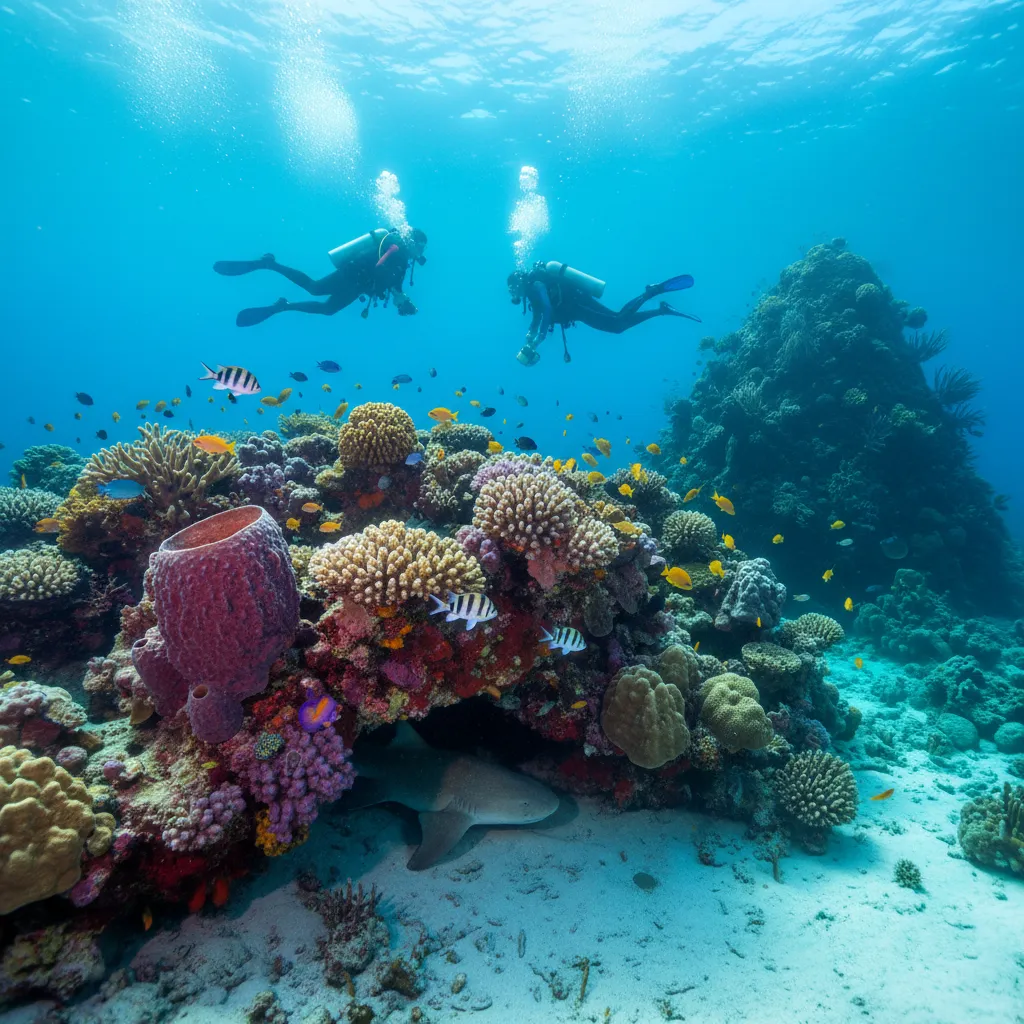

Diving in St. Vincent & the Grenadines
Why dive here
St. Vincent & the Grenadines offers rich diving, with 275+ marine species recorded in its waters - including dolphins, humpback whales, nurse sharks, orcas and sea turtles. Water sits around 28°C.
St. Vincent and the Grenadines isn’t for everyone, and that’s precisely why we like it. If you’re into big resorts and crowded boats, this isn't your spot. Here, the diving feels exploratory. We’re talking about a dramatic volcanic landscape on St. Vincent, where walls drop into black coral forests, and a keen eye will spot rare eels, like the Avocet Snipe Eel or a Collared Eel tucked into crevices. Then there are the Tobago Cays, a complete contrast with their shallower, sun-drenched reefs, perfect for spotting Spotted Trunkfish or a Yellowtail Parrotfish munching away. Come between November and May for the calmest conditions, though you might get lucky with Fourwing Flyingfish breaching year-round. It’s raw, it’s real, and it’s a refreshing change of pace from the usual Caribbean circuit.
St. Vincent & the Grenadines Dive Regions Map
St. Vincent & the Grenadines Dive Regions
2 diving areas in St. Vincent & the Grenadines
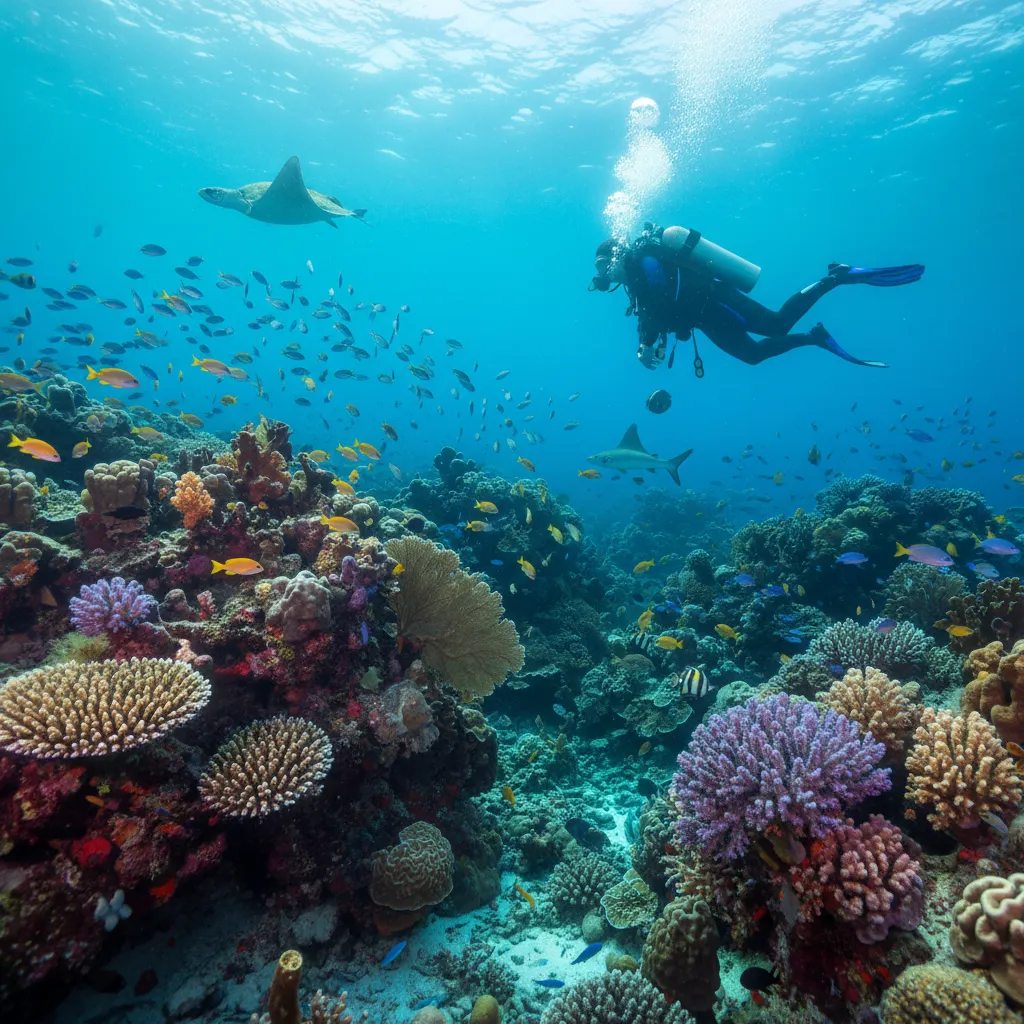
St. Vincent
St. Vincent is a quiet surprise, often overshadowed by its Grenadine neighbours. But for divers who really look, it’s a macro heaven. We love the volcanic topography here; the dramatic slopes and swim-throughs are just begging to be explored. You’ll find walls draped in black coral, swaying gently in the current, and closer inspection reveals a staggering array of tiny residents. This isn’t about big pelagics, though a reef shark might cruise by. St. Vincent is for the patient observer. We’ve spent whole dives mesmerized by the hunt of an Inshore Lizardfish, or spotting the perfect camouflage of a Pacific Spotted Scorpionfish. Look for the Sawcheek Cardinalfish tucked into crevices and the tiny, almost invisible, Stippled Clingfish on sponges. The currents can be moderate, especially on drift dives, but they generally bring nutrients, making for active reef life. Early morning dives often offer the best visibility before the day heats up, and you’ll find more critters out and about before divers arrive. The wrecks are fun, but it’s the volcanic reef and its miniature inhabitants that truly capture our attention here.
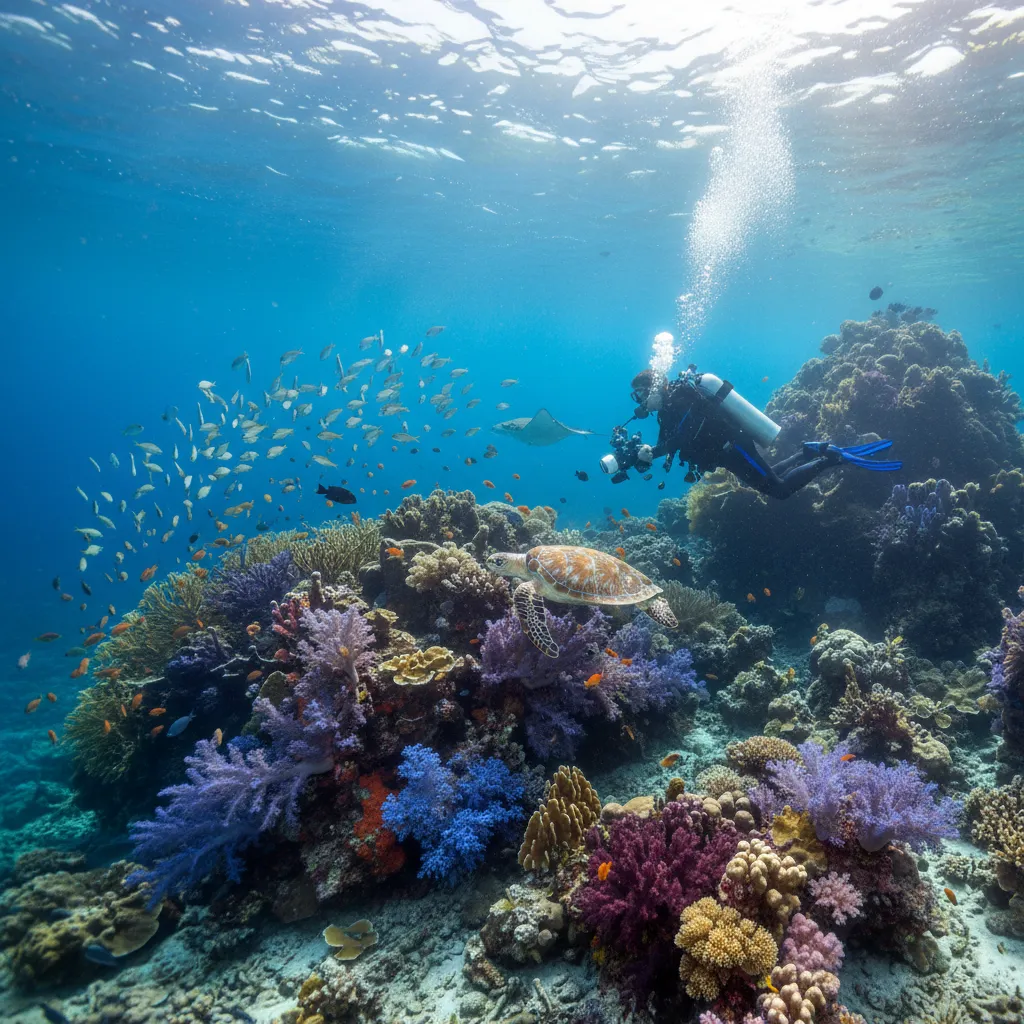
Tobago Cays
Tobago Cays isn't about dive shops and crowded boats. It's about anchoring your own catamaran and rolling off the transom directly into the big blue. We love that freedom. The reef here, especially around Mayreau Gardens, feels genuinely untouched, dropping gently to about 15-20 meters. You can spend an entire afternoon finning alongside green turtles munching on seagrass, so close you can hear the crunch. We’ve seen schools of bluestriped grunt so thick they momentarily block out the sun, and the massive starlet corals are just enormous, like underwater apartment blocks. Our favourite is spotting the smaller stuff, though - a flat needlefish hanging motionless, or the elusive American pugnose pipefish tucked away. The currents are generally mild within the protected marine park, making it a dream for relaxed drift dives. Go in the morning before the day charter boats arrive; it’s just you and the fish. It’s an easy spot to fall in love with.
Ocean Wildlife in St. Vincent & the Grenadines
275 species recorded in St. Vincent & the Grenadines
St. Vincent & the Grenadines Visa Requirements
Check if you need a visa to dive in St. Vincent & the Grenadines
Plan & book
Ways to dive St. Vincent & the Grenadines, from day trips to liveaboards.
Day trips & courses
via GetYourGuideGuided dives, courses and snorkel trips with instant booking.
Find dive trips in St. Vincent & the GrenadinesPlaces to stay
via Booking.comHotels and dive resorts near St. Vincent & the Grenadines.
Search stays in St. Vincent & the GrenadinesDive insurance
Most travel insurance excludes or limits scuba. Check what you need before you go.
Dive insurance explainedPartner links: we may earn a commission if you book, at no extra cost to you. How we make money