Punta Arenas (Small Cut)
Protected Area
Hol Chan
Why dive here
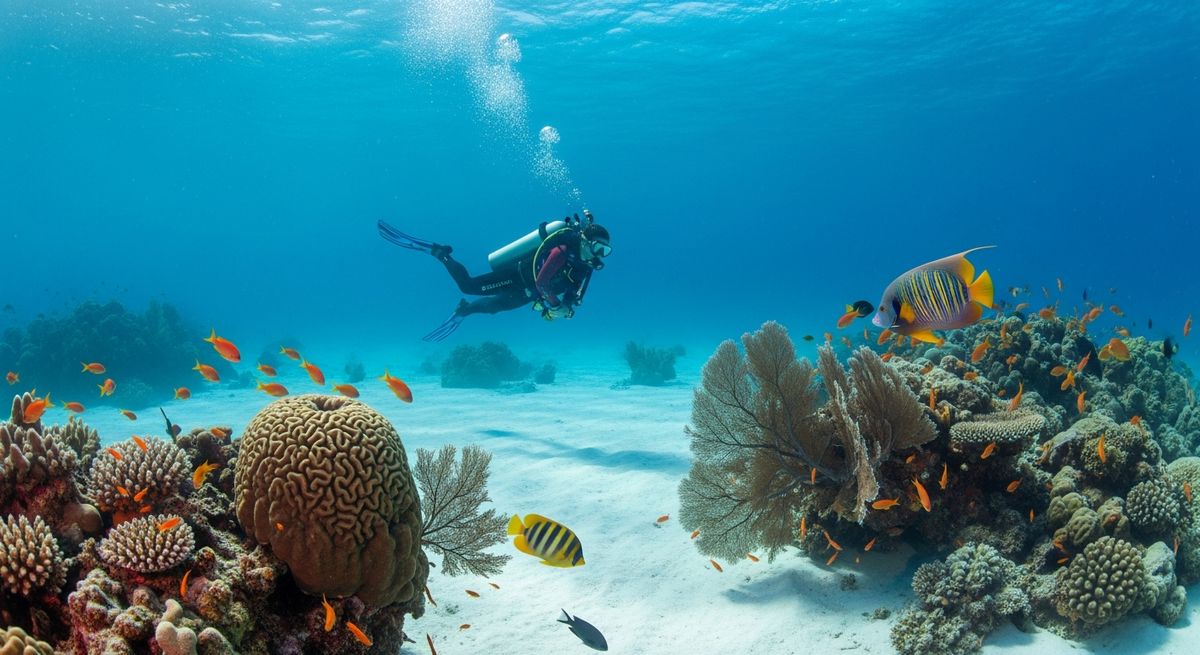
With 192+ marine species recorded in the area - including barracuda, dolphins, lemon sharks, nurse sharks and sea turtles - Punta Arenas (Small Cut) offers some of Ambergris Caye's richest diving. Water ranges 27-31°C, warmest August, September, October.
Punta Arenas, often called the Small Cut, offers a neat little adventure for those who enjoy a swim-through. We’re talking about a sandy-bottomed tunnel that starts wide enough for a couple of divers, then narrows quite a bit. It’s a single-file affair further in, which adds to the fun, though you’ll want to watch your fin kicks to keep that sand from silting things up too much. Even in the darker sections, visibility usually holds up well. We've seen plenty of nurse sharks here, often tucked into crevices, and the occasional green moray eel peeking out. It's a good choice for divers looking for something a bit different from the usual reef drift, without being overly challenging.
Nearest Dive Centres to Punta Arenas (Small Cut)
Dive shops near Punta Arenas (Small Cut)
Coral Divers Limited
White Sands Dive Shop
Whiet Sands Dive Shop
Tuff E Nuff Tours & Dive Center
Sea Star Belize
Island Divers
Reviews for Punta Arenas (Small Cut)
Conditions
Ocean conditions, forecast and tides for Punta Arenas (Small Cut)
Punta Arenas (Small Cut) Ocean Conditions
Monthly averages for Punta Arenas (Small Cut), sourced from Open-Meteo marine data + Copernicus Marine (EU) - nearest station: Open-Meteo marine grid (17.98, -87.92) (0km away)
October Averages
Sea Temperature
30°C
86°F · Range: 28.6–31.5°C
Current Speed
4 cm/s
Direction: N (0°)
Chlorophyll-a
0.045 mg/m³
Very clear (oligotrophic)
Salinity
35.42 PSU
Based on 4 years of monitoring data · Data sources: Open-Meteo marine data + Copernicus Marine (EU)
Plan & book
Ways to dive Ambergris Caye, from day trips to liveaboards.
Day trips & courses
via GetYourGuideGuided dives, courses and snorkel trips with instant booking.
Find dive trips in Ambergris CayePlaces to stay
via Booking.comHotels and dive resorts near Ambergris Caye.
Search stays in Ambergris CayeDive insurance
Most travel insurance excludes or limits scuba. Check what you need before you go.
Dive insurance explainedPartner links: we may earn a commission if you book, at no extra cost to you. How we make money
Where to Stay near Punta Arenas (Small Cut)
Prices from Booking.com. We may earn a commission at no extra cost to you.