Diving in Belize
Why dive here
Belize offers rich diving, with 416+ marine species recorded in its waters - including barracuda, bull sharks, dolphins, eagle rays and hammerhead sharks. Water ranges 27-30°C, warmest August, September, October.
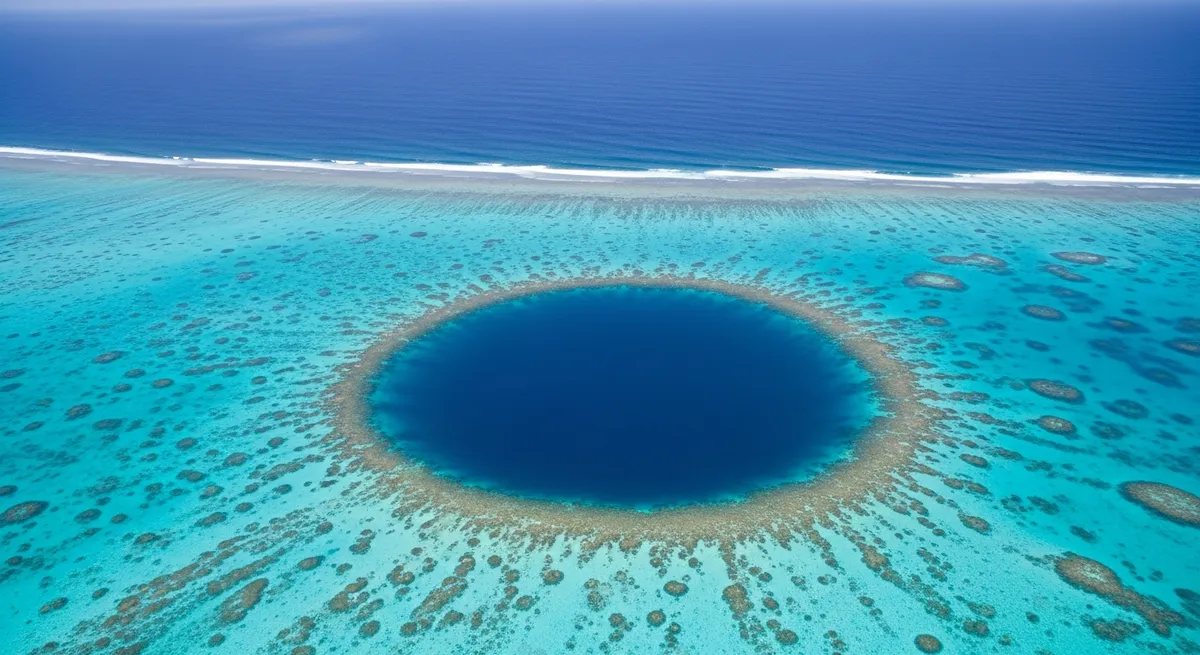
Belize diving feels like stepping back into a classic Caribbean scene, before the crowds found every quiet corner. We head here for the barrier reef, the second largest in the world, which delivers consistent wall dives and healthy, sprawling coral. Out at Lighthouse Reef Atoll, the Blue Hole is the obvious draw, and we've done it, but Half Moon Caye's vertical drops and resident sharks are often more memorable. Glover's Reef Atoll is our pick for liveaboards, offering truly remote diving and a slower pace. The dry season, roughly December to May, generally means calmer seas and better visibility, making it the sweet spot for exploring Belize's underwater tapestry.
Belize Dive Regions Map
Belize Dive Regions
5 diving areas in Belize
Ambergris Caye
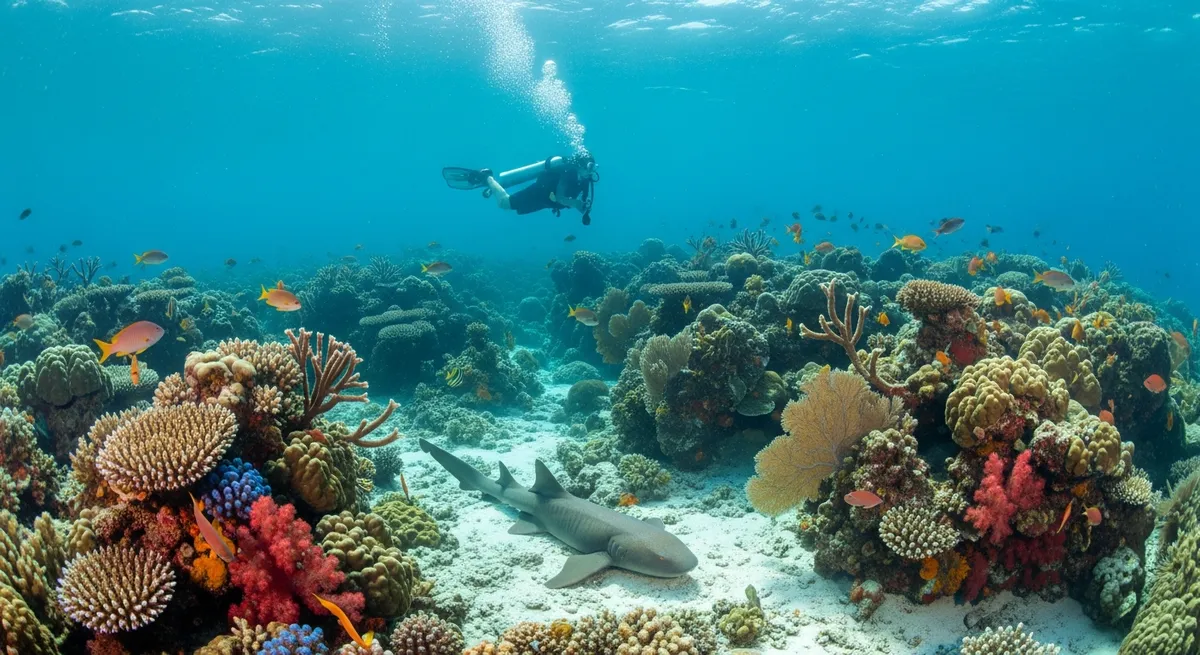
Ambergris Caye is where many divers get their first taste of Belize, and it’s easy to see why. We love it for its sheer accessibility, especially Hol Chan Marine Reserve and Shark Ray Alley. Imagine diving amongst schools of sergeant-major and doctorfish, then surfacing to find yourself surrounded by friendly nurse sharks - it’s a rush, even after you’ve seen it a dozen times. Diving here is generally pretty mellow, great for easing back into things or for newer divers. The currents are typically mild, making for relaxed drift dives over healthy reefs. Look out for the subtle beauty of a reticulated brittle star tucked into a coral crevice, or a majestic tarpon gliding past in the blue. For something a little different, the wreck dives are surprisingly good, offering a cool contrast to the natural reefs. We’d suggest an early morning dive at Hol Chan to beat the crowds; the light is often spectacular, highlighting the shimmering scales of yellowjacket and angelfish as they feed.
Caye Caulker
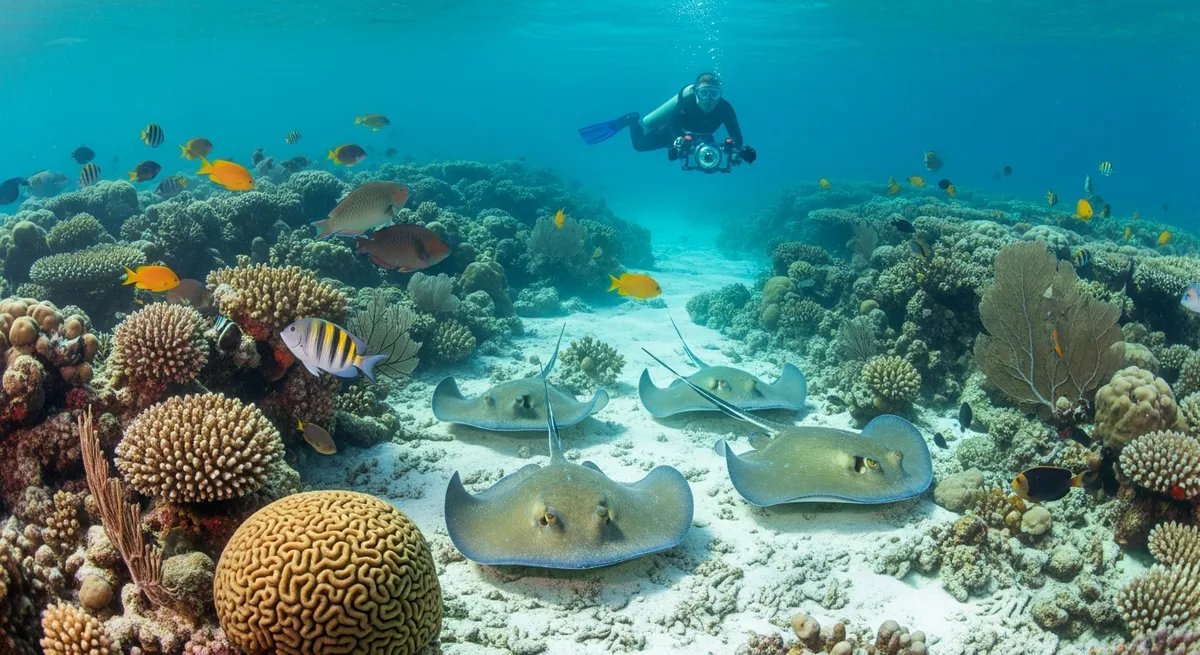
Laid-back island with affordable diving along the barrier reef. The Split's channel dive and snorkelling with nurse sharks and rays.
Glover's Reef
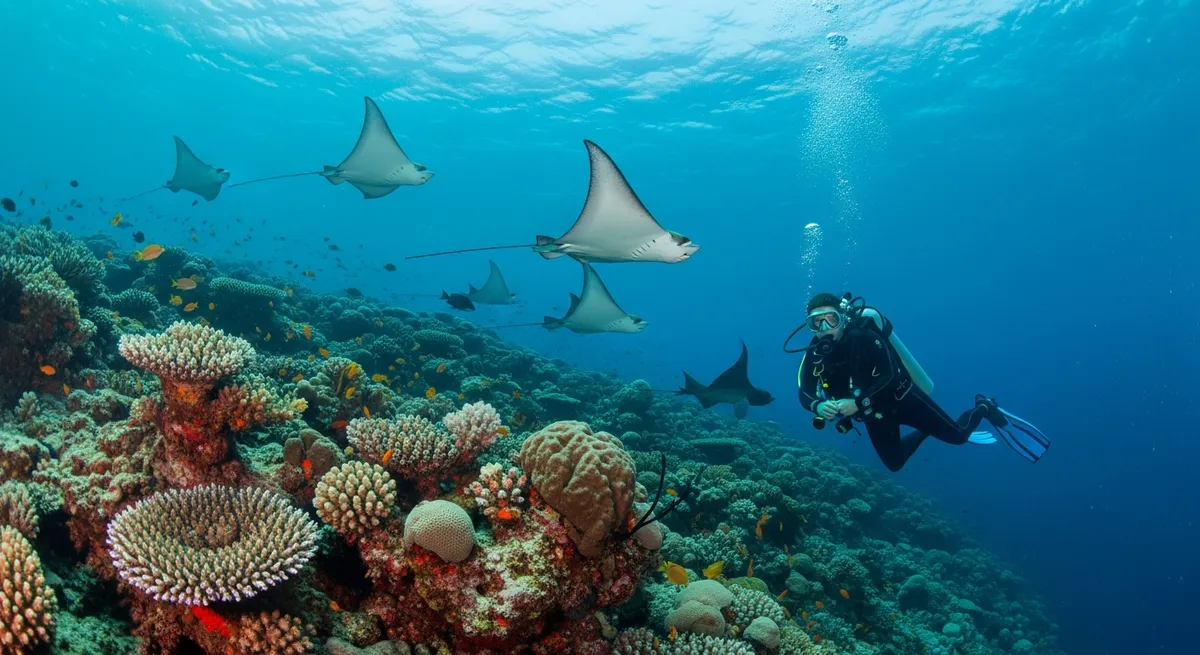
The most remote and pristine of Belize's three atolls, a UNESCO World Heritage Site with spectacular wall diving and minimal visitor numbers.
Lighthouse Reef
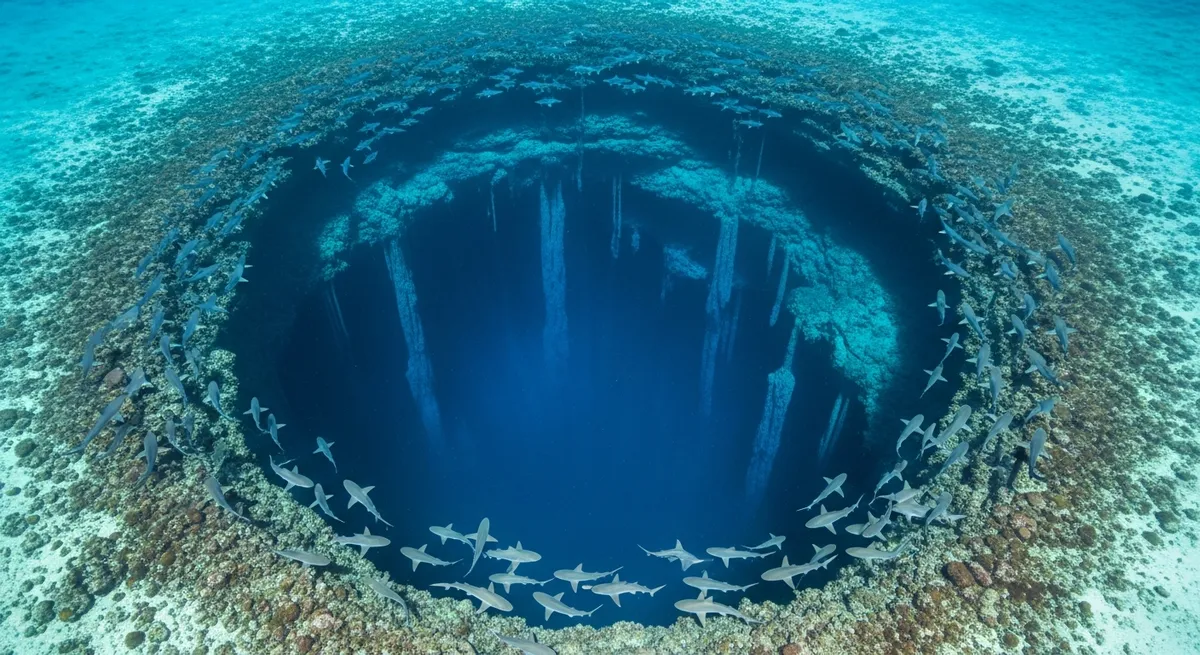
Lighthouse Reef is where you go when you’re ready to see Belize’s Big Show. We all know the Great Blue Hole is the headliner, and yes, it’s a geological marvel, dropping to 125 meters, but honestly, it’s the sheer scale of the stalactites, more than the marine life, that makes it special. For us, the real magic here is Half Moon Caye Wall. It’s a spectacular drop-off, the kind where you drift along and just let your eyes wander into the blue. We’ve seen incredible schools of Reef Silversides here, shimmering like liquid mercury, and the resident Triggerfish are always darting about. Currents can be strong, especially around the exposed points, so you'll want to be comfortable with drift diving. Visibility is generally excellent, often pushing 30 meters, especially during the drier months from November to May. We’d suggest an early start to beat the day-trippers, giving you a chance to truly appreciate the quiet grandeur of these walls. Keep an eye out for the elusive Saddle Stargazer buried in the sand flats near the shallower reef tops; they’re always a fun spot.
Turneffe Atoll
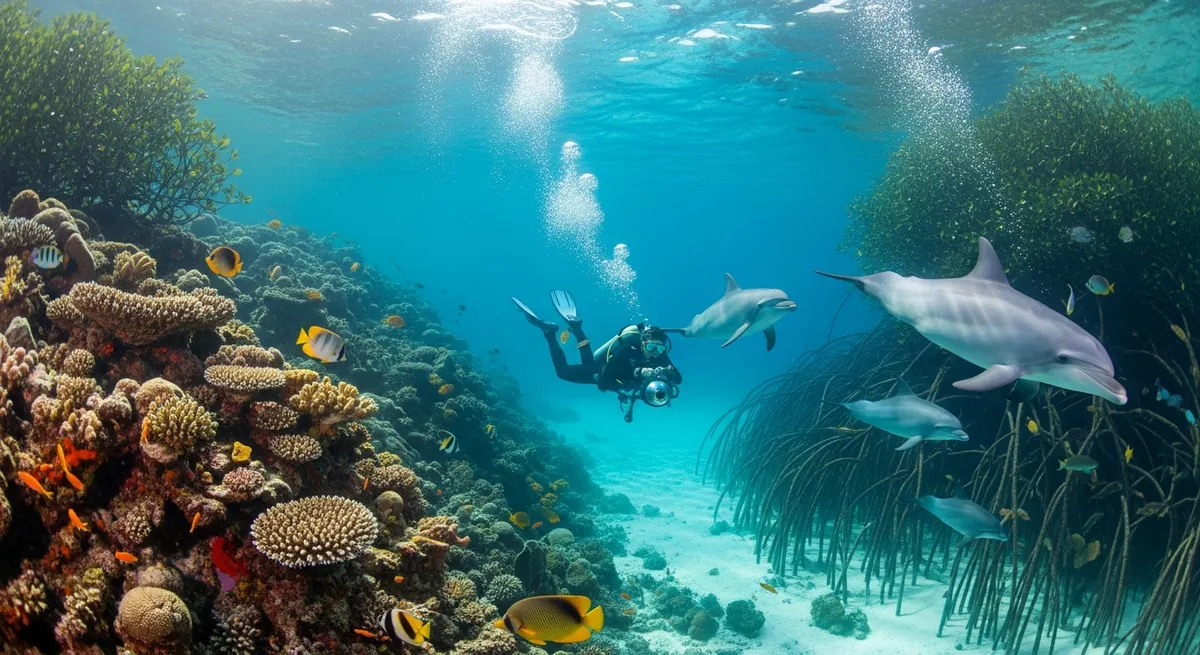
Turneffe Atoll, the largest true atoll in Belize, offers a different flavour of Caribbean diving. Forget the crowds you might find closer to the mainland; here, it’s a quieter scene. We love the sheer scale of the place, the way the walls drop off into the deep blue, often dotted with massive barrel sponges you could almost climb inside. Our favourite dives often involve drifting along those walls, keeping an eye out for patrolling blacktip sharks and the occasional hawksbill turtle munching on a sponge. The coral here, particularly the ridged cactus coral, forms intricate structures, creating perfect hideouts for stippled clingfish and tobacco basslets. The mangrove channels are a real bonus, especially for photographers, offering chances to spot manatees or even a pod of dolphins cruising by. We’d suggest focusing on those early morning dives; that’s when the reef feels most alive, before any boat traffic picks up. Visibility averages around 20-30 metres on a good day, but it can get choppy on the eastern side if the wind picks up.
Ocean Wildlife in Belize
416 species recorded in Belize
Belize Visa Requirements
Check if you need a visa to dive in Belize
Plan & book
Ways to dive Belize, from day trips to liveaboards.
Day trips & courses
via GetYourGuideGuided dives, courses and snorkel trips with instant booking.
Find dive trips in BelizePlaces to stay
via Booking.comHotels and dive resorts near Belize.
Search stays in BelizeDive insurance
Most travel insurance excludes or limits scuba. Check what you need before you go.
Dive insurance explainedPartner links: we may earn a commission if you book, at no extra cost to you. How we make money