Black Rock
Protected Area
Islas de la Bahía
Why dive here
With 168+ marine species recorded in the area - including barracuda, orcas, sea turtles, whale sharks and pufferfish - Black Rock offers some of Roatán's richest reef diving. Water ranges 27-30°C, warmest August, September, October.
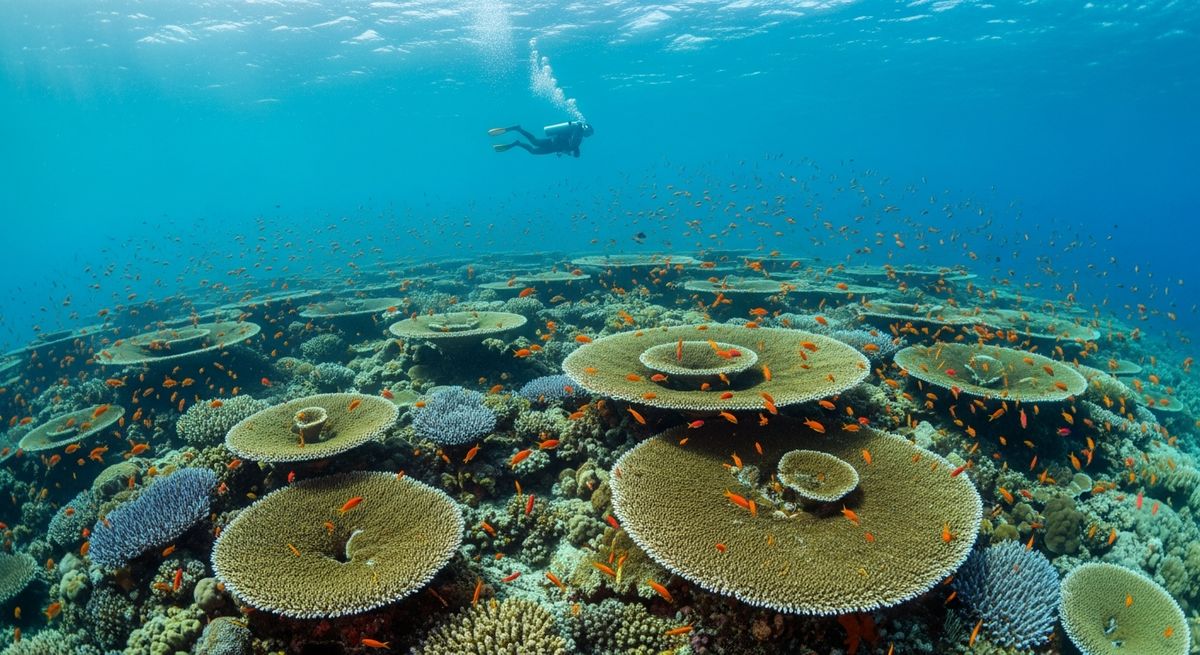
Black Rock is a dive we always try to hit when we're in Roatán. It’s a continuation of the West End Wall, but has its own distinct feel, more rugged and less traversed. The reef here is a maze of crags and crevices, particularly great for hunting out the smaller critters. We’ve found everything from Saddle Stargazers peeking out of the sand to the tiny, shy Jawfish with their mouthfuls of eggs. The wall itself isn't a sheer drop, more of a stepped descent to around 20 metres, peppered with giant barrel sponges that feel ancient and soft corals that glow in the ambient light. Keep your eyes peeled for the Dusky Blennies – they are everywhere if you know where to look, bobbing their heads from empty worm holes. Our favourite time to dive Black Rock is early morning, before the dive boats from West End hit their stride. You get a quieter experience and sometimes, if you're lucky, the larger Yellow Jacks cruise by in tight schools, silhouetted against the morning sun. Just remember that currents can pick up here, so be ready for a drift if the conditions dictate.
Nearest Dive Centres to Black Rock
Dive shops near Black Rock
Infinity Divers Aqua Center
West Bay Divers
Clearwater Adventures
Blue Moon Scuba
Roatan Freediving
Kotos Adventures
Reviews for Black Rock
Conditions
Ocean conditions, forecast and tides for Black Rock
Black Rock Ocean Conditions
Monthly averages for Black Rock, sourced from Open-Meteo marine data + Copernicus Marine (EU) - nearest station: Open-Meteo marine grid (16.27, -86.6) (5km away)
October Averages
Sea Temperature
30°C
86°F · Range: 29–31.6°C
Current Speed
1.41 cm/s
Direction: NW (315°)
Chlorophyll-a
0.052 mg/m³
Very clear (oligotrophic)
Salinity
35.96 PSU
Based on 4 years of monitoring data · Data sources: Open-Meteo marine data + Copernicus Marine (EU)
Plan & book
Ways to dive Roatán, from day trips to liveaboards.
Day trips & courses
via GetYourGuideGuided dives, courses and snorkel trips with instant booking.
Find dive trips in RoatánPlaces to stay
via Booking.comHotels and dive resorts near Roatán.
Search stays in RoatánDive insurance
Most travel insurance excludes or limits scuba. Check what you need before you go.
Dive insurance explainedPartner links: we may earn a commission if you book, at no extra cost to you. How we make money
Where to Stay near Black Rock
Prices from Booking.com. We may earn a commission at no extra cost to you.