Happily Ever After
Protected Area
Islas de la Bahía
Why dive here
With 168+ marine species recorded in the area - including barracuda, orcas, sea turtles, whale sharks and pufferfish - Happily Ever After offers some of Roatán's richest reef diving. Water ranges 27-30°C, warmest August, September, October.
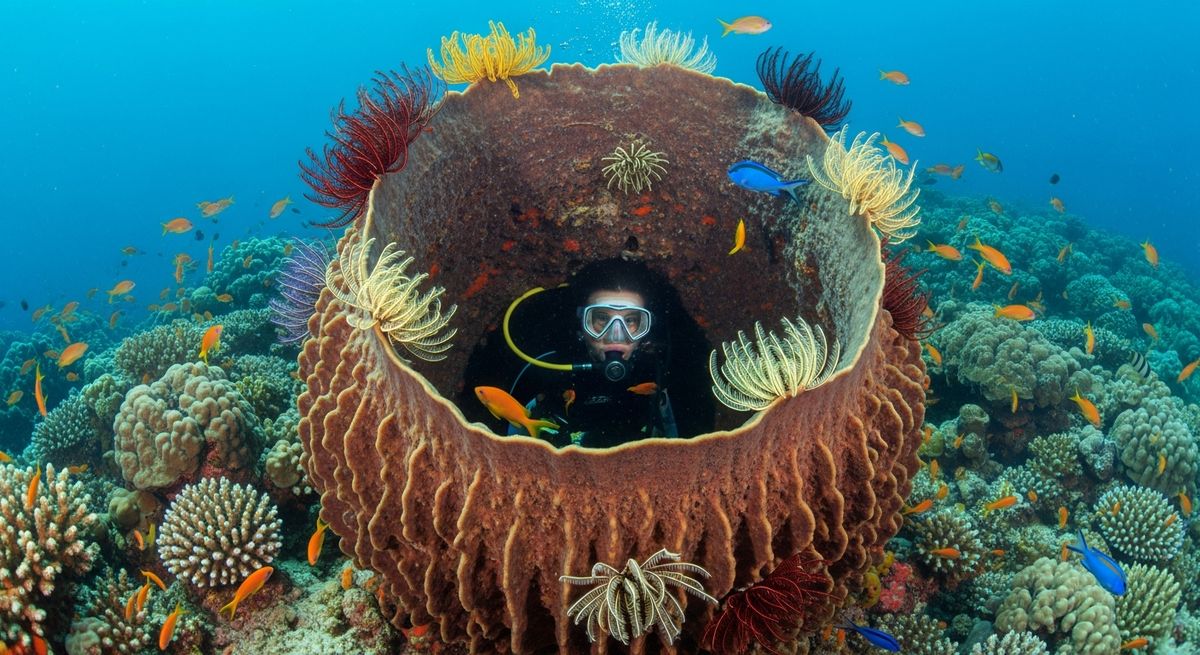
Happily Ever After is one of those Roatán sites we always try to hit, especially if we’re drifting towards Fish Den. It’s a channel corner, which means a good bit of action, and it’s got this big, interesting outcrop on the wall. We love the way the soft corals seem to explode from the rock, creating perfect little hideouts for the smaller stuff. We’ve found pygmy morays tucked away here, and once, we even spotted a wart-eye stargazer peeking out from the sand – kept us entertained for a good five minutes. The top of the reef sits around 5-9m, then it drops down to about 21m, so it’s a comfortable depth for most. Visibility averages 19m, decent enough to take in the big picture. We’d suggest keeping an eye out for the Blackcap Basslets in the overhangs, they’re usually there. This site really shines for divers who enjoy poking around for macro life while still appreciating some nice wall topography. You’ll get your fill of wrasses and groupers, but it’s the little surprises that keep us coming back.
Nearest Dive Centres to Happily Ever After
Dive shops near Happily Ever After
Octopus Dive School
Sandy Bay Divers
Centro de Buceo Jackson
Moana Divers
Native Sons
Sun DIvers
Reviews for Happily Ever After
Conditions
Ocean conditions, forecast and tides for Happily Ever After
Happily Ever After Ocean Conditions
Monthly averages for Happily Ever After, sourced from Open-Meteo marine data + Copernicus Marine (EU) - nearest station: Open-Meteo marine grid (16.27, -86.6) (5km away)
October Averages
Sea Temperature
30°C
86°F · Range: 29–31.6°C
Current Speed
1.41 cm/s
Direction: NW (315°)
Chlorophyll-a
0.052 mg/m³
Very clear (oligotrophic)
Salinity
35.96 PSU
Based on 4 years of monitoring data · Data sources: Open-Meteo marine data + Copernicus Marine (EU)
Plan & book
Ways to dive Roatán, from day trips to liveaboards.
Day trips & courses
via GetYourGuideGuided dives, courses and snorkel trips with instant booking.
Find dive trips in RoatánPlaces to stay
via Booking.comHotels and dive resorts near Roatán.
Search stays in RoatánDive insurance
Most travel insurance excludes or limits scuba. Check what you need before you go.
Dive insurance explainedPartner links: we may earn a commission if you book, at no extra cost to you. How we make money
Where to Stay near Happily Ever After
Prices from Booking.com. We may earn a commission at no extra cost to you.