Jack Neil Bight
Protected Area
Sistema de Humedales de la Isla de Utila
Why dive here
With 168+ marine species recorded in the area - including barracuda, orcas, sea turtles, whale sharks and pufferfish - Jack Neil Bight offers some of Roatán's richest drift diving. Water ranges 27-30°C, warmest August, September, October.
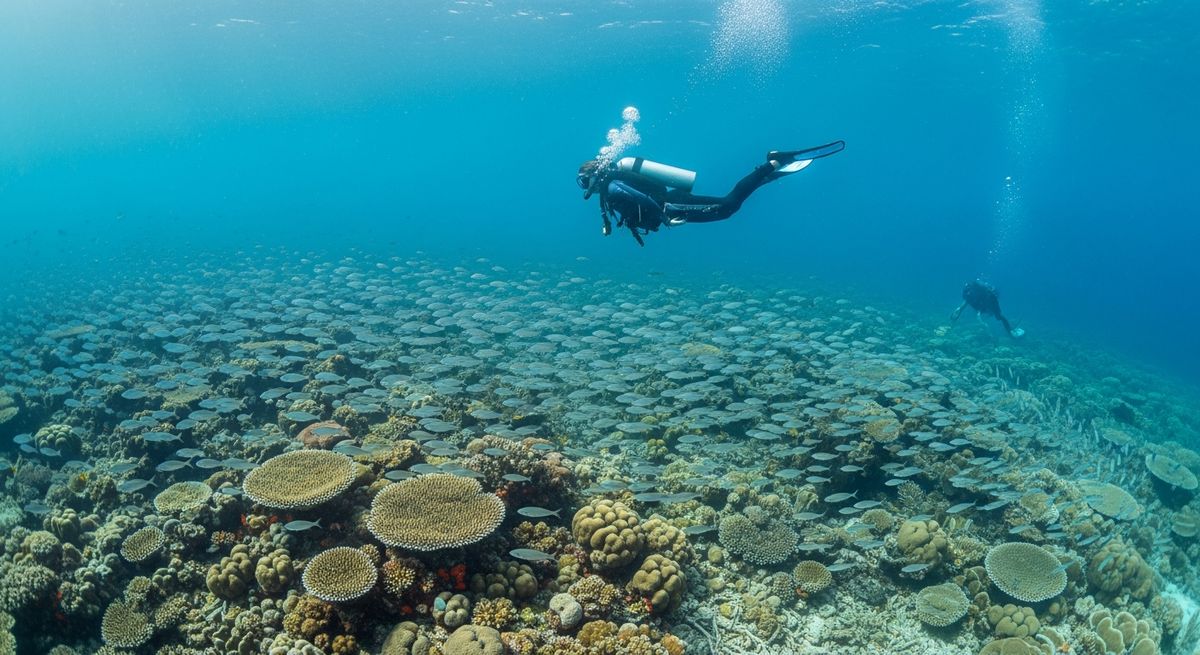
Jack Neil Bight, just a short hop west from Utila Harbour, is a site we keep coming back to. It’s not about dramatic walls or huge pelagics, but rather an exquisite example of what makes Roatán’s shallower reefs so charming. Imagine a bright, sandy bottom, almost blindingly white in the shallows, fringed on either side by healthy hard coral formations. We love to take our time here, letting our eyes adjust to the subtle movements. The real stars at Jack Neil Bight are the smaller things, though you’ll often spot a great barracuda lurking at the edge of visibility. Look closely and you’ll find redlip blennies popping their heads out of holes, their vibrant colour a stark contrast to the surrounding rock. There’s an impressive variety of sponges too – horned rope and barrel sponges create a fascinating texture on the reef. Our favourite time to dive here is mid-morning, when the sun penetrates the 17-meter maximum depth just right, illuminating the sandy channels and making the parrotfish colours really pop. It’s an ideal spot for macro enthusiasts and newer divers who want to build confidence in calm, clear conditions.
Safety Notes
Drift dive - carry a surface marker buoy (SMB) and stay with your group. Brief the current direction before entry.
Nearest Dive Centres to Jack Neil Bight
Dive shops near Jack Neil Bight
Coral View Utila Dive Center
Captain Morgans Dive Center
Alton's Dive Center
Freedive Utila
Underwater Vision Dive Center
Utila Dive Center
Reviews for Jack Neil Bight
Conditions
Ocean conditions, forecast and tides for Jack Neil Bight
Jack Neil Bight Ocean Conditions
Monthly averages for Jack Neil Bight, sourced from Open-Meteo marine data + Copernicus Marine (EU) - nearest station: Open-Meteo marine grid (16.27, -86.6) (5km away)
October Averages
Sea Temperature
30°C
86°F · Range: 29–31.6°C
Current Speed
1.41 cm/s
Direction: NW (315°)
Chlorophyll-a
0.052 mg/m³
Very clear (oligotrophic)
Salinity
35.96 PSU
Based on 4 years of monitoring data · Data sources: Open-Meteo marine data + Copernicus Marine (EU)
Plan & book
Ways to dive Roatán, from day trips to liveaboards.
Day trips & courses
via GetYourGuideGuided dives, courses and snorkel trips with instant booking.
Find dive trips in RoatánPlaces to stay
via Booking.comHotels and dive resorts near Roatán.
Search stays in RoatánDive insurance
Most travel insurance excludes or limits scuba. Check what you need before you go.
Dive insurance explainedPartner links: we may earn a commission if you book, at no extra cost to you. How we make money
Where to Stay near Jack Neil Bight
Prices from Booking.com. We may earn a commission at no extra cost to you.