Lighthouse
Protected Area
Islas de la Bahía
Why dive here
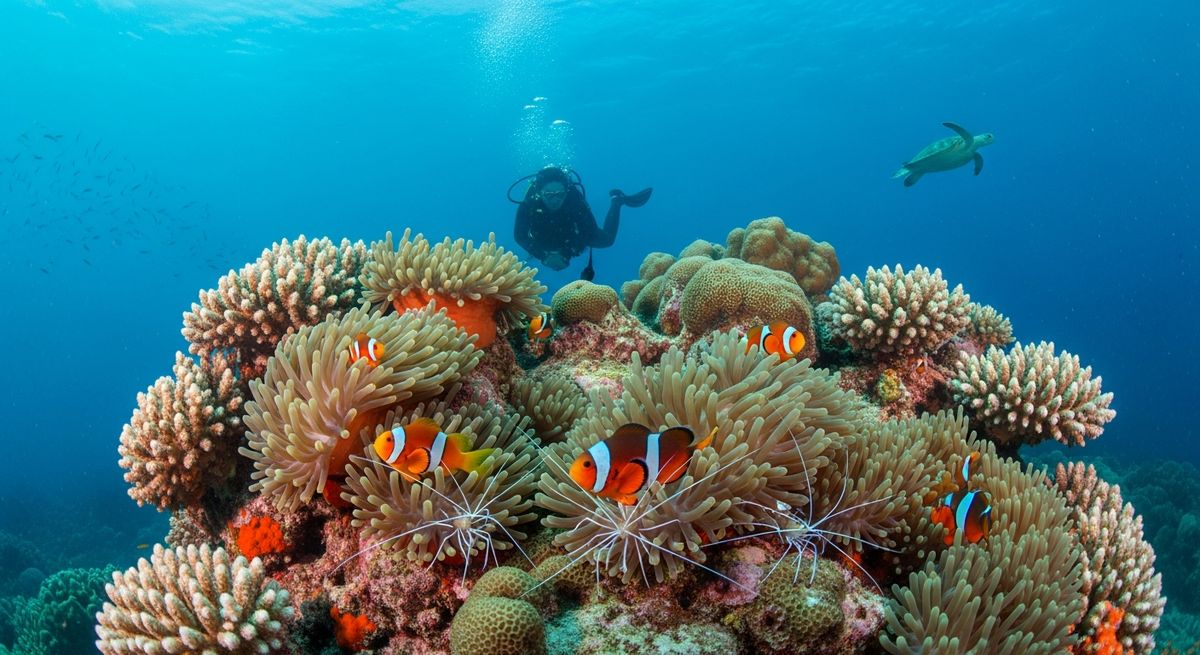
With 168+ marine species recorded in the area - including barracuda, orcas, sea turtles, whale sharks and pufferfish - Lighthouse offers some of Roatán's richest reef diving. Water ranges 27-30°C, warmest August, September, October.
Lighthouse gets a lot of traffic, often used for training, but don't let that put you off. We actually love it as a warm-up dive. Dropping to around 19m, it’s a calm introduction to Roatán diving, especially if you’re still getting your fins under you. The big sand patches at 5-6m are perfect for new divers, but they’re also where we find some of our favourite smaller critters. Keep your eyes peeled for those Mimic Blennies and Filament Blennies darting in and out of the sand, or a well-camouflaged Lined Sole. The reef itself is healthy, a mix of coral heads and sandy areas, creating little pockets for juvenile fish. We’ve spotted Apricot Bass tucked away in crevices and watched Yellow Jacks cruise by. Visibility usually hovers around 21m, giving you a clear view of the reef's activity. It’s not the roaring current, big animal thrill Roatán is known for, but Lighthouse delivers a steady, satisfying dive, especially good for photographers keen on macro life without fighting a surge. Go early to beat the crowds and enjoy the quiet.
Nearest Dive Centres to Lighthouse
Dive shops near Lighthouse
Roatan Divers
Reef Gliders
Cressi
West End Divers
Centro de Buceo de Splash Inn
Roatan Marine Park eco store
Reviews for Lighthouse
Conditions
Ocean conditions, forecast and tides for Lighthouse
Lighthouse Ocean Conditions
Monthly averages for Lighthouse, sourced from Open-Meteo marine data + Copernicus Marine (EU) - nearest station: Open-Meteo marine grid (16.27, -86.6) (5km away)
October Averages
Sea Temperature
30°C
86°F · Range: 29–31.6°C
Current Speed
1.41 cm/s
Direction: NW (315°)
Chlorophyll-a
0.052 mg/m³
Very clear (oligotrophic)
Salinity
35.96 PSU
Based on 4 years of monitoring data · Data sources: Open-Meteo marine data + Copernicus Marine (EU)
Plan & book
Ways to dive Roatán, from day trips to liveaboards.
Day trips & courses
via GetYourGuideGuided dives, courses and snorkel trips with instant booking.
Find dive trips in RoatánPlaces to stay
via Booking.comHotels and dive resorts near Roatán.
Search stays in RoatánDive insurance
Most travel insurance excludes or limits scuba. Check what you need before you go.
Dive insurance explainedPartner links: we may earn a commission if you book, at no extra cost to you. How we make money
Where to Stay near Lighthouse
Prices from Booking.com. We may earn a commission at no extra cost to you.