The Halliburton (Wreck)
Protected Area
Sistema de Humedales de la Isla de Utila
Why dive here
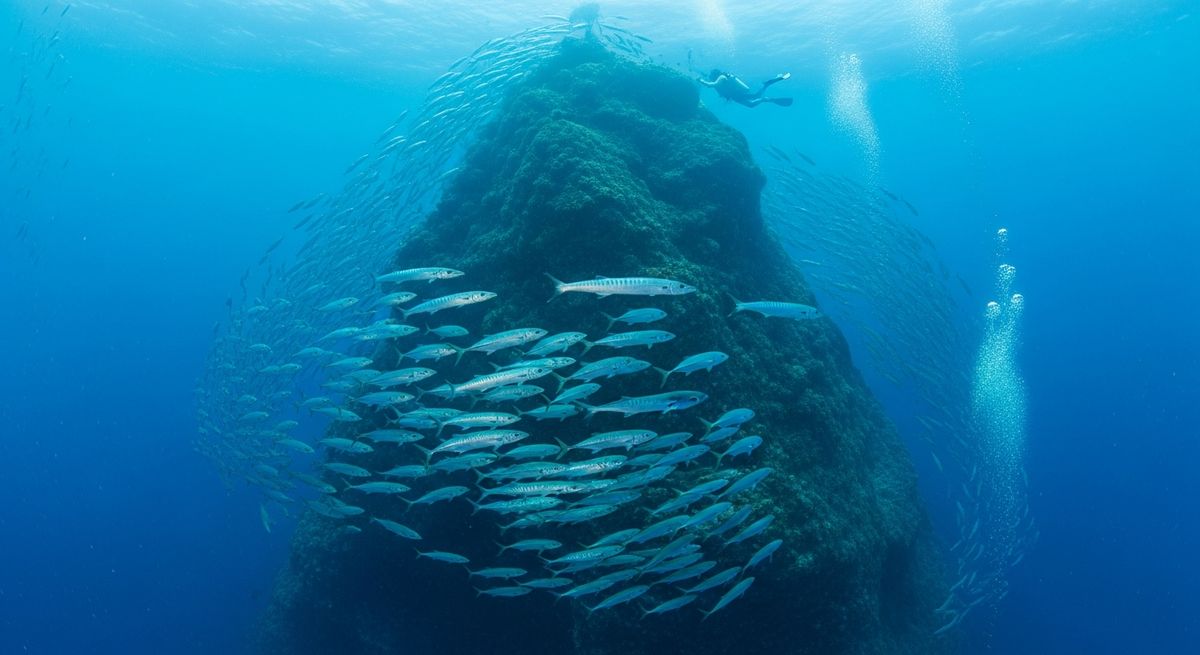
With 168+ marine species recorded in the area - including barracuda, orcas, sea turtles, whale sharks and pufferfish - The Halliburton (Wreck) offers some of Roatán's richest pinnacle diving. Water ranges 27-30°C, warmest August, September, October.
The Halliburton is one of our favourite wreck dives in Roatán, probably because it feels like you’re exploring a proper ship, not just a pile of metal. Sunk intentionally in ‘98, it’s a 30-meter cargo vessel that still holds its shape well. We love finning along the deck at 20 meters, peering into the open cargo holds. The swim-throughs are easy and there’s usually light streaming in, making it a good option even if you’re newer to wreck penetration. You'll spot plenty of Belted Cardinalfish tucked into the darker corners, and keep an eye out for Pygmy Filefish swaying gently on the encrusted railings. We’ve seen Schools of Snapper swirling around the bridge, which sits at 18 meters, making for some great photo opportunities. The wreck just keeps evolving too; the corals are really taking hold now, bringing in more and more smaller critters. It’s a site that rewards multiple visits – you’ll always find something new hiding in the nooks and crannies. We usually dive it in the morning to beat any crowds.
Nearest Dive Centres to The Halliburton (Wreck)
Dive shops near The Halliburton (Wreck)
Alton's Dive Center
Freedive Utila
Utila Dive Center
Underwater Vision Dive Center
Utila Water Sports
Cross Creek Dive Center
Reviews for The Halliburton (Wreck)
Conditions
Ocean conditions, forecast and tides for The Halliburton (Wreck)
The Halliburton (Wreck) Ocean Conditions
Monthly averages for The Halliburton (Wreck), sourced from Open-Meteo marine data + Copernicus Marine (EU) - nearest station: Open-Meteo marine grid (16.27, -86.6) (5km away)
October Averages
Sea Temperature
30°C
86°F · Range: 29–31.6°C
Current Speed
1.41 cm/s
Direction: NW (315°)
Chlorophyll-a
0.052 mg/m³
Very clear (oligotrophic)
Salinity
35.96 PSU
Based on 4 years of monitoring data · Data sources: Open-Meteo marine data + Copernicus Marine (EU)
Plan & book
Ways to dive Roatán, from day trips to liveaboards.
Day trips & courses
via GetYourGuideGuided dives, courses and snorkel trips with instant booking.
Find dive trips in RoatánPlaces to stay
via Booking.comHotels and dive resorts near Roatán.
Search stays in RoatánDive insurance
Most travel insurance excludes or limits scuba. Check what you need before you go.
Dive insurance explainedPartner links: we may earn a commission if you book, at no extra cost to you. How we make money
Where to Stay near The Halliburton (Wreck)
Prices from Booking.com. We may earn a commission at no extra cost to you.