Ham Reef
Protected Area
Vanua Naivibati
Why dive here
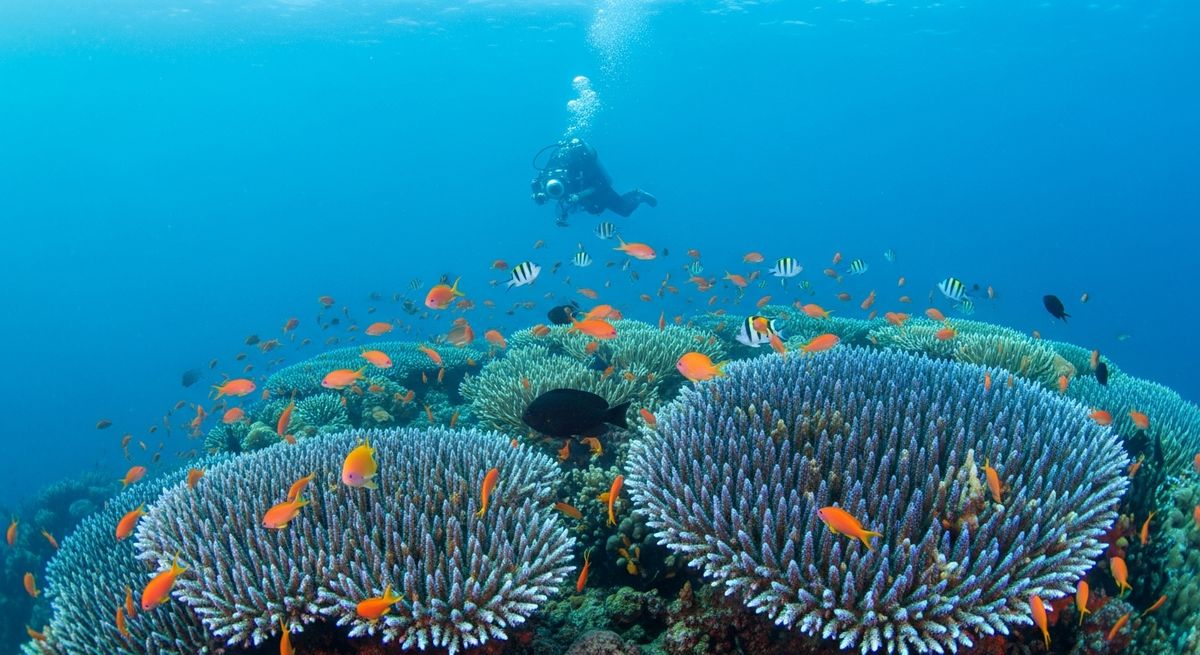
With 382+ marine species recorded in the area - including blue sharks, eagle rays, giant moray eels, humpback whales and sperm whales - Ham Reef offers some of Kadavu & Great Astrolabe Reef's richest reef diving.
Ham Reef, part of Kadavu's extensive system, offers a solid, dependable coral reef dive. We’ve found it’s a good spot to see your usual reef fish – fusiliers, parrotfish, a few snappers cruising by. Currents here can be mild, making it a good choice for newer divers looking for a relaxed exploration of a healthy, though not spectacular, Fijian reef. It’s a nice enough way to spend an hour underwater.
Nearest Dive Centres to Ham Reef
Dive shops near Ham Reef
View all dive centres in Kadavu & Great Astrolabe ReefReviews for Ham Reef
Conditions
Ocean conditions, forecast and tides for Ham Reef
Plan & book
Ways to dive Kadavu & Great Astrolabe Reef, from day trips to liveaboards.
Day trips & courses
via GetYourGuideGuided dives, courses and snorkel trips with instant booking.
Find dive trips in Kadavu & Great Astrolabe ReefPlaces to stay
via Booking.comHotels and dive resorts near Kadavu & Great Astrolabe Reef.
Search stays in Kadavu & Great Astrolabe ReefDive insurance
Most travel insurance excludes or limits scuba. Check what you need before you go.
Dive insurance explainedPartner links: we may earn a commission if you book, at no extra cost to you. How we make money
Where to Stay near Ham Reef
Prices from Booking.com. We may earn a commission at no extra cost to you.