Haapiti
Protected Area
Motu Tapu
Why dive here
With 140+ marine species recorded in the area - including dolphins, eagle rays, humpback whales, manta rays and mobula rays (devil rays) - Haapiti offers some of Bora Bora's richest wall diving. Water ranges 27-29°C, warmest February, March, April.
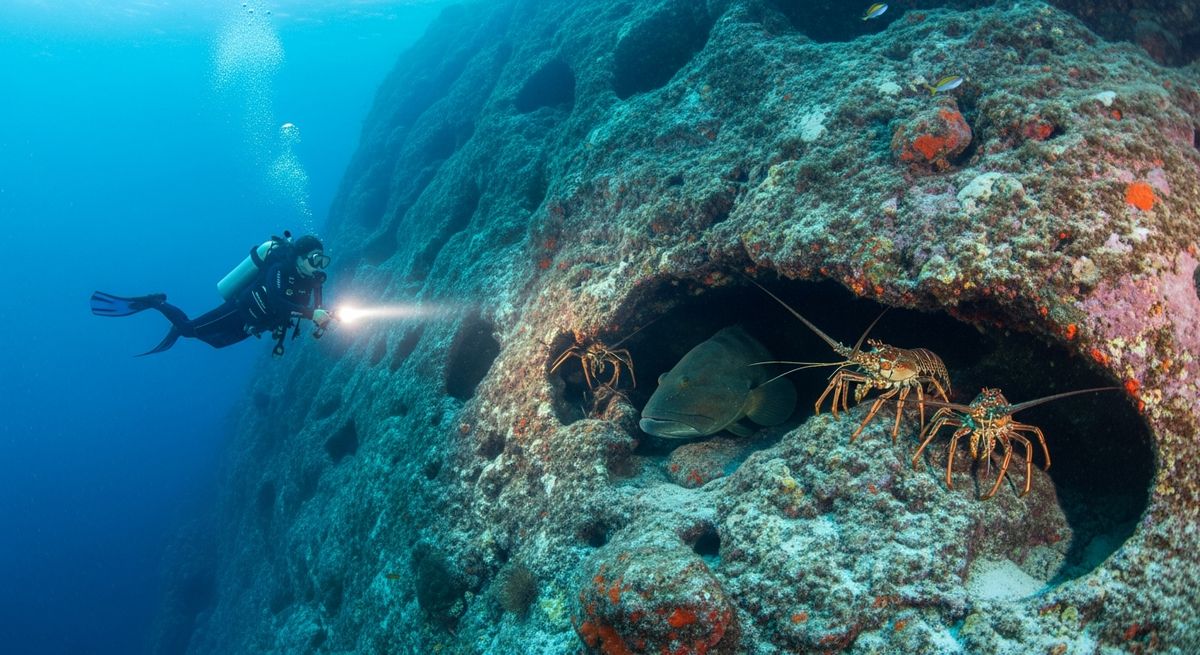
Haapiti is one of those Bora Bora lagoon dives we always make time for, especially if we’re looking for something a bit different from the usual channel drifts. The name of the game here is exploring the coral plateau, which gives way to three distinct, large holes. Drop into these and you're surrounded by schools of snapper, all jostling for position. Move out of the holes and the reef opens up to a maze of smaller excavations and mini-caves. We often spot bluespotted stingrays tucked into the sand patches here, and the blacktip sharks cruise by with a relaxed indifference we appreciate. The average visibility is good, around 23m, but on a calm day, it really stretches out. We'd suggest aiming for a morning dive before the boat traffic picks up. The light filters down beautifully into those holes then, creating a really serene atmosphere. This isn't a high-adrenaline site; it’s more about a relaxed exploration, perfect for photographers or divers who appreciate the finer details of a healthy reef.
Nearest Dive Centres to Haapiti
Dive shops near Haapiti
TopDive
BORA OCEAN ADVENTURES
Snorkeling raie manta
Eleuthera Bora Diving Center
Dive ´n smile
Diveasy
Reviews for Haapiti
Conditions
Ocean conditions, forecast and tides for Haapiti
Haapiti Ocean Conditions
Monthly averages for Haapiti, sourced from Open-Meteo marine data + Copernicus Marine (EU) - nearest station: Open-Meteo marine grid (-16.62, -151.58) (2km away)
October Averages
Sea Temperature
27°C
81°F · Range: 26.5–29.3°C
Current Speed
6.4 cm/s
Direction: SW (231.3°)
Chlorophyll-a
0.053 mg/m³
Very clear (oligotrophic)
Salinity
36.27 PSU
Based on 4 years of monitoring data · Data sources: Open-Meteo marine data + Copernicus Marine (EU)
Plan & book
Ways to dive Bora Bora, from day trips to liveaboards.
Day trips & courses
via GetYourGuideGuided dives, courses and snorkel trips with instant booking.
Find dive trips in Bora BoraPlaces to stay
via Booking.comHotels and dive resorts near Bora Bora.
Search stays in Bora BoraDive insurance
Most travel insurance excludes or limits scuba. Check what you need before you go.
Dive insurance explainedPartner links: we may earn a commission if you book, at no extra cost to you. How we make money
Where to Stay near Haapiti
Prices from Booking.com. We may earn a commission at no extra cost to you.