Diving in French Polynesia
Why dive here
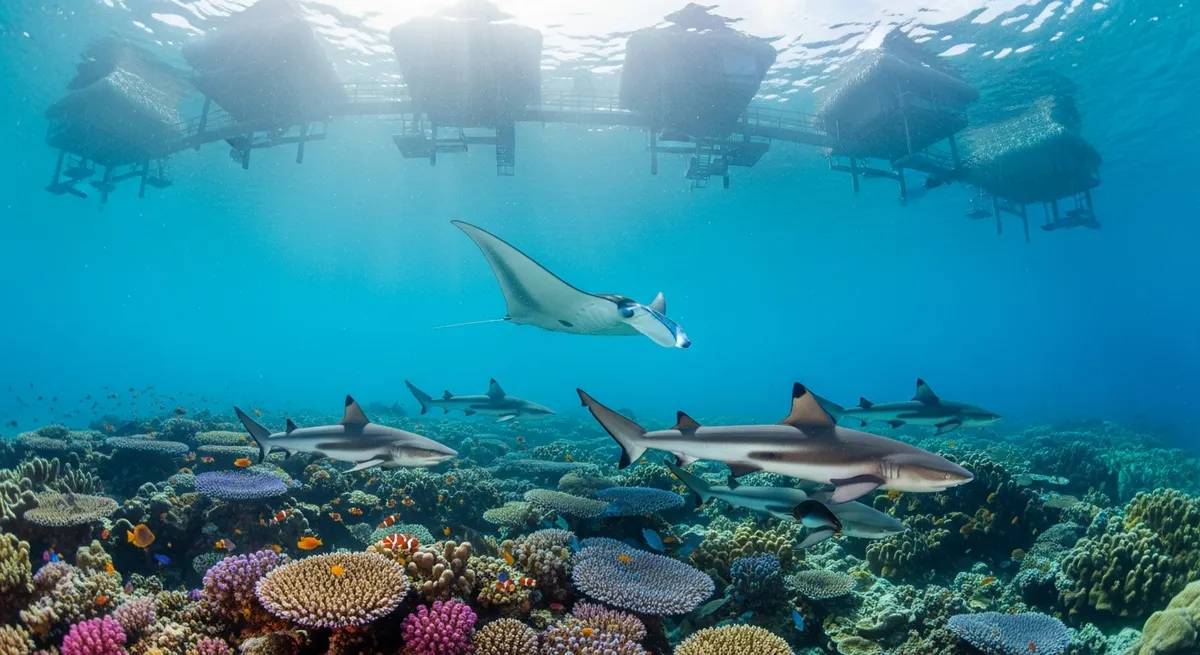
French Polynesia offers rich diving, with 281+ marine species recorded in its waters - including barracuda, blacktip reef sharks, dolphins, eagle rays and giant moray eels. Water ranges 27-29°C, warmest February, March, April.
French Polynesia feels like the South Pacific’s grand dame of pelagic encounters. We've spent weeks here and still feel like we’ve only scratched the surface of its shark and dolphin-filled passes. Head to Fakarava or Rangiroa for the big animal action, especially if you’re comfortable with current; the drift dives through their atoll passes are genuinely thrilling. Beyond the famous shark walls, we’ve found some surprising macro critters if you slow down and look for them amongst the reef sharks. July to October offers the best chance to spot humpback whales around Moorea, a nice bonus to some already stellar diving. It’s not a budget destination, but for sheer scale of pelagics, it’s hard to beat.
French Polynesia Dive Regions Map
French Polynesia Dive Regions
5 diving areas in French Polynesia
Bora Bora
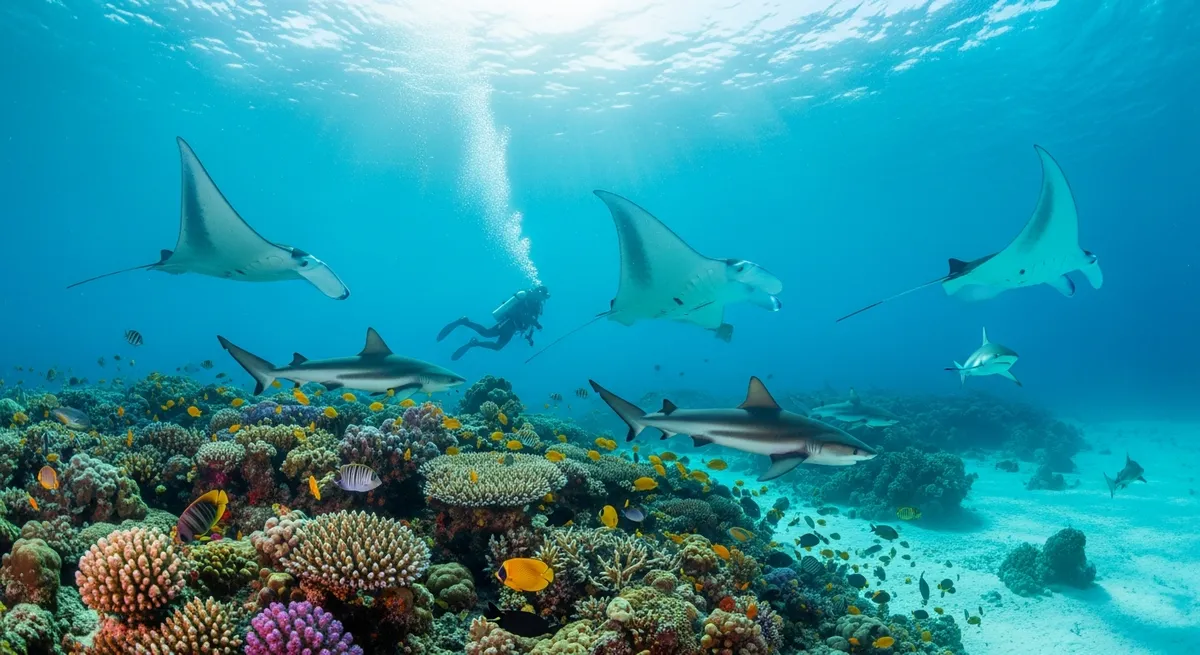
Bora Bora. We know what you're thinking: honeymooners, overwater bungalows, maybe a quick snorkel. And yes, it’s all that, but the diving here really does hold its own, especially if you’re into big animal encounters in the lagoon. We love the easy drift dives just outside the main passes, where eagle rays often glide by with very little effort on your part. Inside the reef, the shark and ray feeding dives are a consistent hit, a close-up encounter with blacktip reef sharks and stingrays that never feels overly touristy, more like an energetic meeting. It’s warm, usually calm, and the visibility lets you see a good distance. Our favourite time of year to visit is late August through October. That's when humpback whales make their seasonal appearance. Hearing them sing underwater is something else entirely; it vibrates right through you.
Fakarava
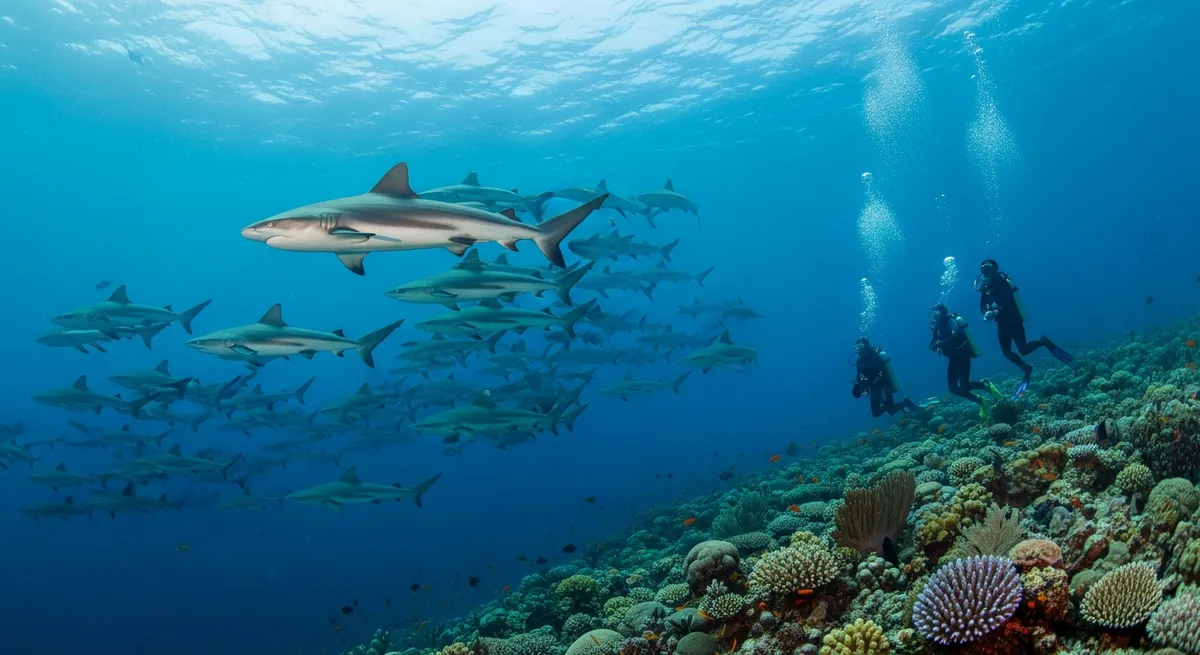
Fakarava isn't just a place; it's an experience of raw, untamed ocean. We've spent weeks here, and every time, the South Pass, Garuae, still blows our minds. Forget "wall of sharks"-it's a *river* of grey reef sharks, hundreds strong, just riding the current like it’s their own private highway. You feel the current push and pull, the water vibrating with the energy of all those apex predators. We’d suggest timing your dive for an incoming tide; that's when the action really kicks off, though it means a faster drift. Beyond the famous pass, the outer reef dives offer a more relaxed pace. We’ve had some cracking encounters with humphead unicornfish and massive schools of bluelined surgeonfish swirling around the coral heads. Keep an eye out for ringtail maori wrasse; they're surprisingly curious here. Visibility is usually excellent, often reaching 30 meters, and the reef itself feels incredibly healthy. It’s a proper drift dive destination, so you spend less time finning and more time just watching the world go by. For a truly unforgettable dive, we love dropping in at the start of an incoming tide and just letting the current carry us through Garuae, surrounded by those silent hunters. It’s truly special.
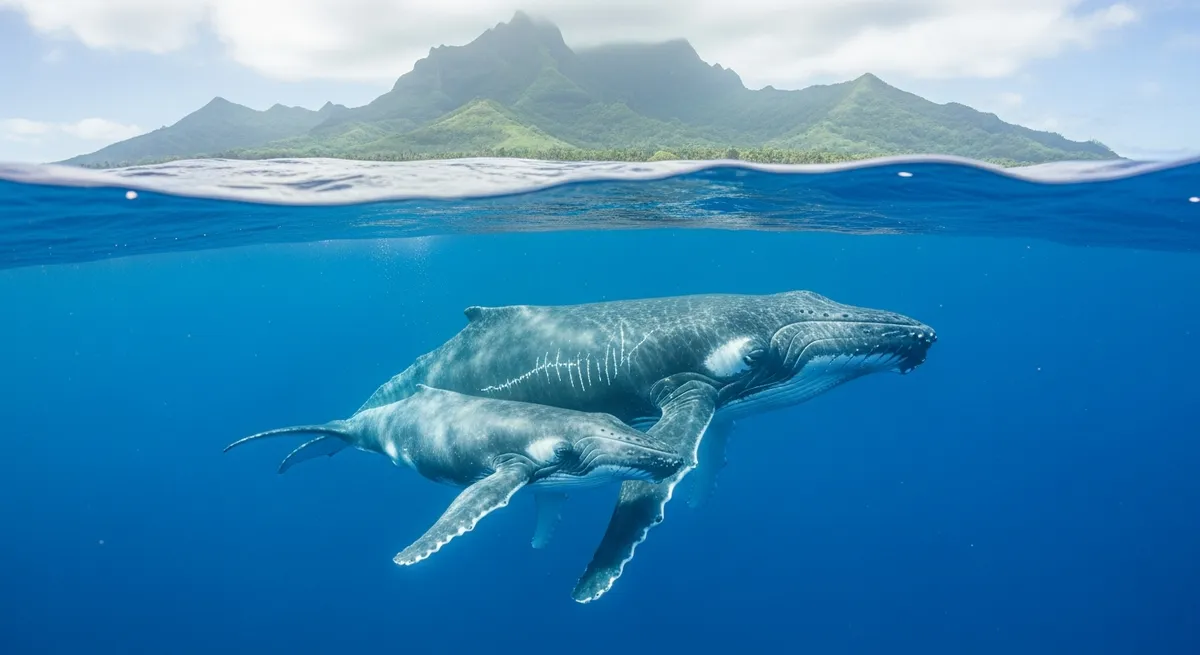
Moorea & Tahiti
Moorea and Tahiti offer two distinct flavours of French Polynesian diving, and we love them both for different reasons. Moorea, for us, is all about the big stuff, particularly during humpback season from July to November. Hearing their songs vibrate through your chest on a safety stop is a truly humbling experience. Even outside of whale season, the lemon shark dives here are a consistent thrill. You’re often surrounded by dozens of them, sleek grey bodies gliding with an unnerving grace. Tahiti, on the other hand, is where we head for something a bit different. The wrecks, especially the Catalina flying boat and the *Yukon*, are fantastic for penetration dives if you’re qualified, or just exploring the growth on their exteriors. We’ve spotted robust hexagon groupers lurking in the shadows and schools of blue-lined surgeonfish swirling around the masts. Current can be a factor on some drift dives, but it’s often what brings in the action. Visibility typically hovers around 20-30 metres, giving you plenty of scope to take it all in. Our favourite pick for a relaxed afternoon dive has to be a drift along the outer reef, letting the current do the work as you spot parrotfish crunching on coral.
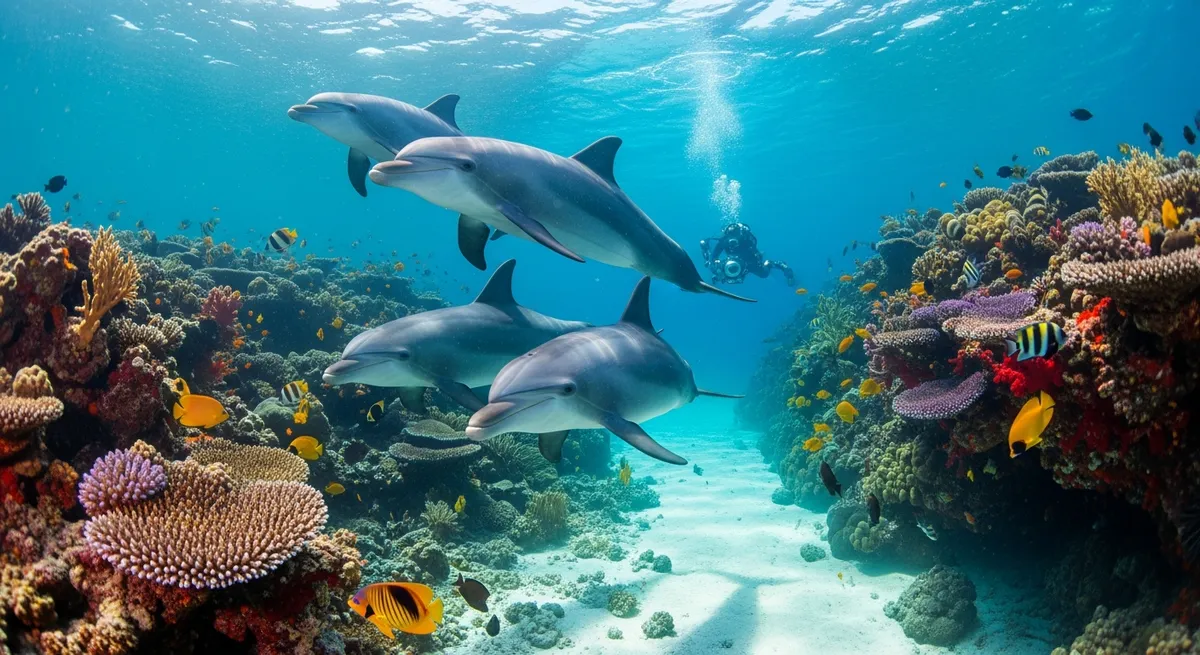
Rangiroa
Rangiroa isn't just diving; it’s an underwater rodeo. We love the passes here, especially Tiputa, where the incoming tide creates a conveyor belt of marine life. Imagine hanging weightless, watching a dozen grey reef sharks cruise by, then a pod of bottlenose dolphins zipping past, often close enough you can hear their clicks and whistles. Our favourite time to dive the passes is during an incoming tide, ideally a few days after the full moon for stronger currents and more action. You’ll drift past walls covered in yellowmargin triggerfish and two-tone wrasse, then through schools of fusiliers so thick they momentarily block the light. Keep an eye out for humphead wrasse foraging on the reef. It’s not just big stuff; the reef edges hold spotted tobies and lettered mitres if you slow down. The currents can be serious, so good buoyancy and comfort in moving water are essential. It's exhilarating, sometimes challenging, and always memorable.
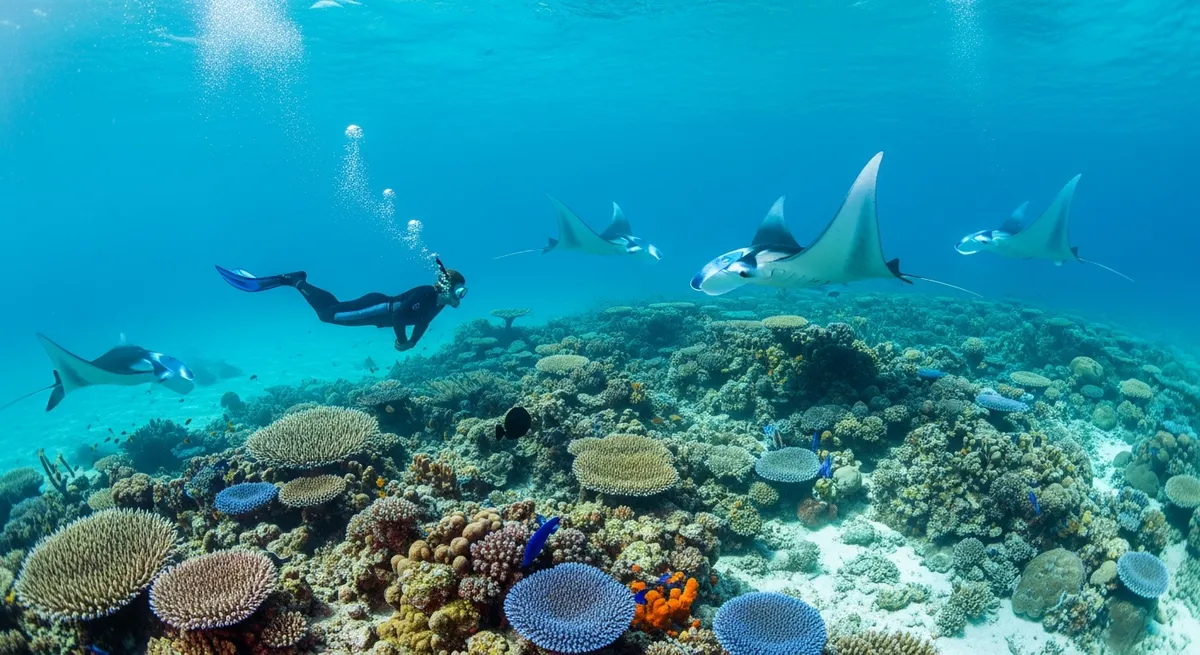
Tikehau
A pink-sand atoll with a single pass teeming with manta rays, grey reef sharks, and barracuda. Less visited than Rangiroa but equally spectacular.
Ocean Wildlife in French Polynesia
281 species recorded in French Polynesia
French Polynesia Visa Requirements
Check if you need a visa to dive in French Polynesia
Plan & book
Ways to dive French Polynesia, from day trips to liveaboards.
Day trips & courses
via GetYourGuideGuided dives, courses and snorkel trips with instant booking.
Find dive trips in French PolynesiaPlaces to stay
via Booking.comHotels and dive resorts near French Polynesia.
Search stays in French PolynesiaDive insurance
Most travel insurance excludes or limits scuba. Check what you need before you go.
Dive insurance explainedPartner links: we may earn a commission if you book, at no extra cost to you. How we make money