
Diving in Micronesia
Why dive here
Micronesia offers rich diving, with 452+ marine species recorded in its waters - including barracuda, blacktip reef sharks, eagle rays, giant moray eels and grey reef sharks. Water ranges 29-30°C, warmest September, October, November.
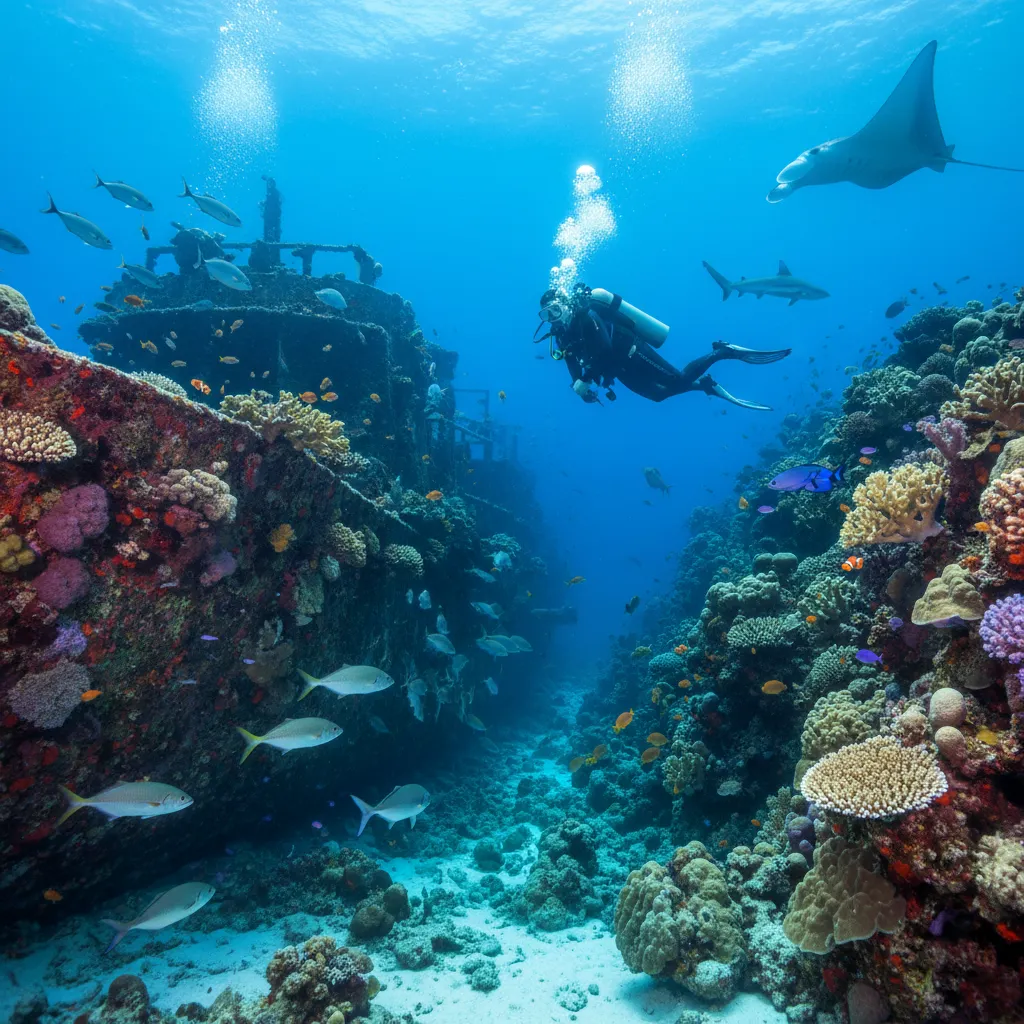
Micronesia isn't just a place you *go* diving, it's a place you *experience* diving, particularly if you’ve got a soft spot for history. Chuuk Lagoon, formerly Truk, is obviously the headline act; we've spent weeks there finning through ghostly WWII wrecks, seeing everything from Sake bottles to gas masks perfectly preserved. It’s an underwater museum unlike anywhere else. But beyond the wrecks, islands like Yap bring something completely different, offering reliable manta ray encounters - often up close in cleaning stations - alongside those fascinating mandarin fish twilight dives. We find the dry season, roughly November to April, usually offers the calmer conditions and best visibility, making those deeper wreck penetrations or open-ocean manta encounters a bit more comfortable.
Micronesia Dive Regions Map
Micronesia Dive Regions
4 diving areas in Micronesia
Chuuk (Truk) Lagoon
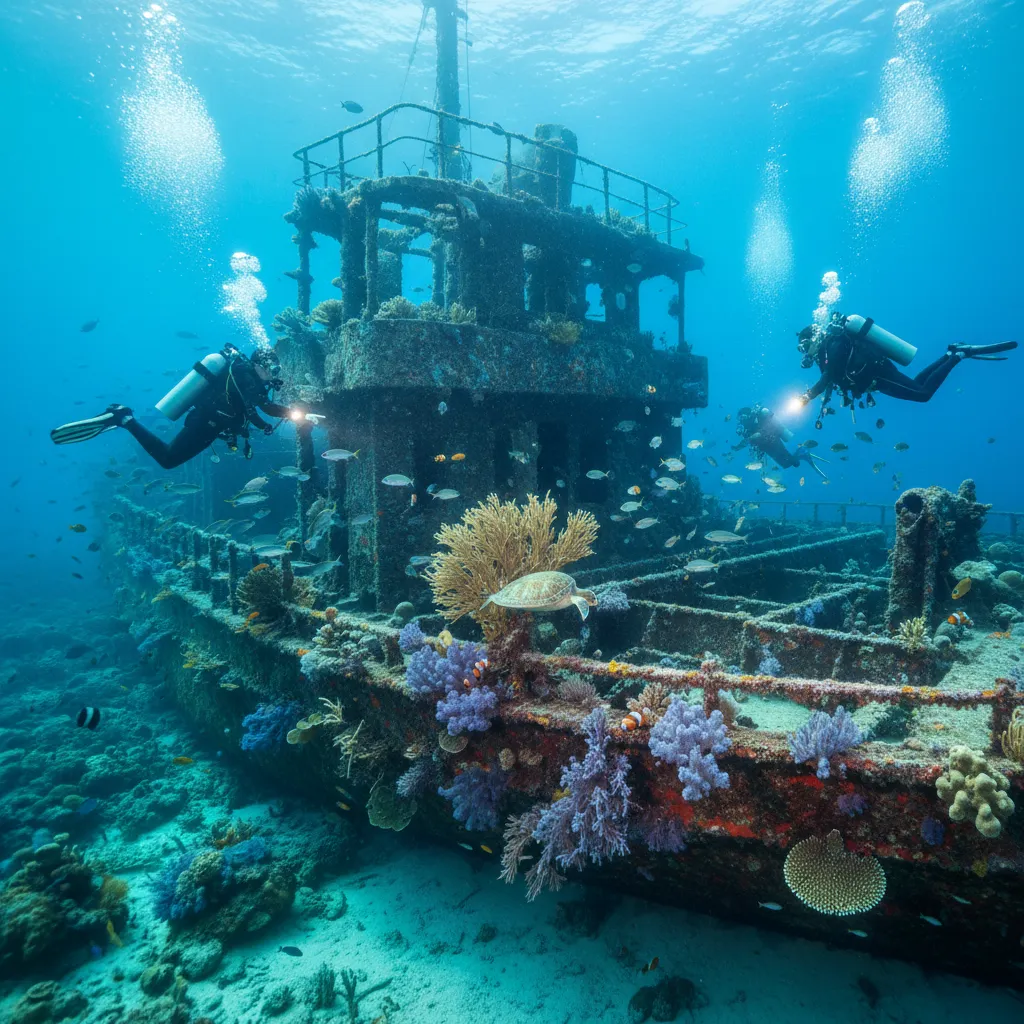
Chuuk Lagoon, or Truk as many of us still call it, isn't just a dive destination; it's a history lesson you can swim through. You’re descending into a museum, plain and simple, and it’s unlike anywhere else on the planet. We love the sheer weight of history here, the palpable sense of time standing still amongst the wrecks of Operation Hailstone. Our favourite wrecks, like the San Francisco Maru with its tanks and trucks, or the Fujikawa Maru’s fighter planes in the holds, feel intensely personal. We remember seeing a Spotted Toby dart between the decaying machinery, a tiny splash of life against the somber steel. The visibility can be variable, sometimes a glorious 25 metres, other times a moody 10, adding to the atmospheric dive. The current is generally mild within the lagoon itself, making for relaxed penetrations for those with the right training. There are over 60 Japanese warships and aircraft, bombed and sunk in 1944, resting on the seabed. You’ll find everything from cargo ships to destroyers, each one a unique time capsule. We’d suggest visiting between December and April for the calmest surface conditions, though the diving is good year-round. While the wrecks are the undeniable star, keep an eye out for the resident Bumphead Parrotfish cruising the shallower reef edges, or the brilliant flash of a Decorated Butterflyfish against a coral-encrusted bulkhead.
Kosrae
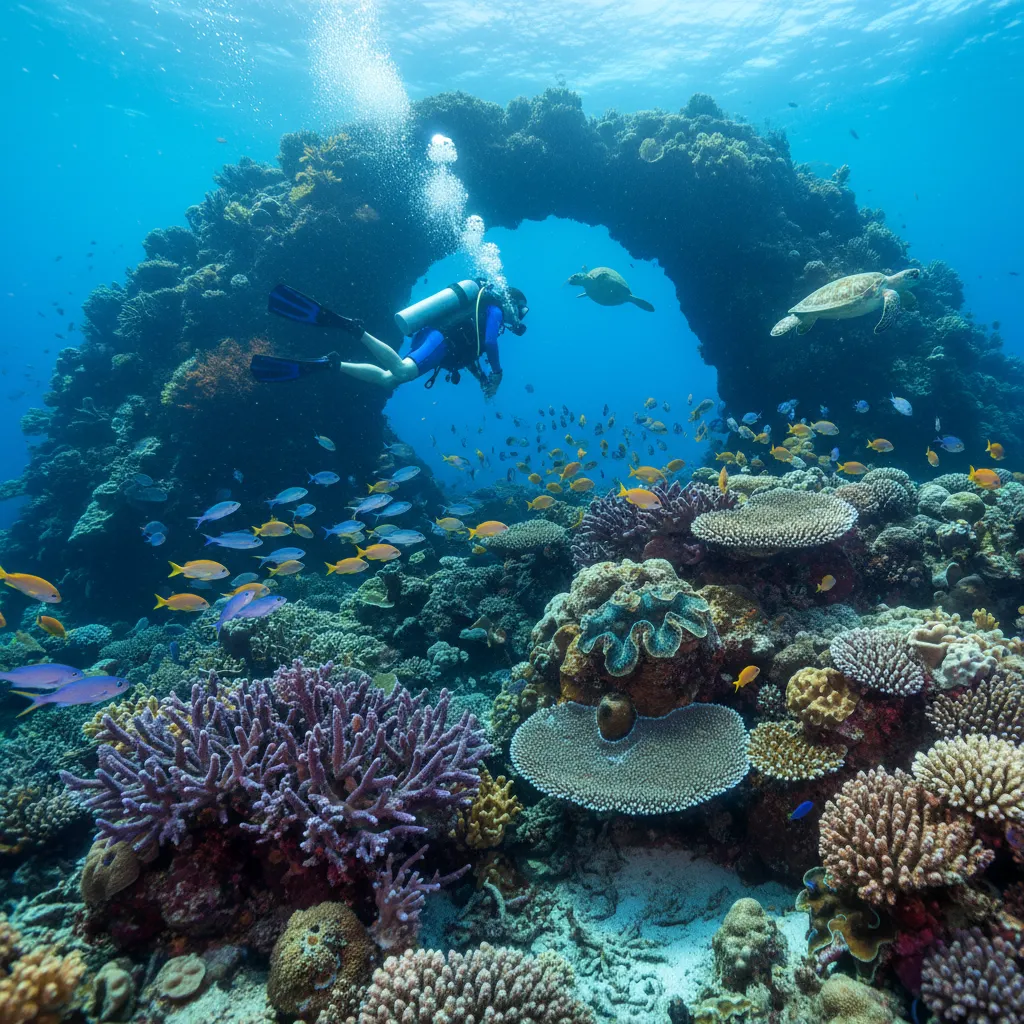
Kosrae is a quiet place, like diving in a dream. We’ve been lucky enough to explore a fair few Pacific islands, and this one stands out for its sheer, understated health. The hard coral walls here are something else, easily some of the healthiest we’ve seen anywhere. You glide past immense structures of plate and brain coral, feeling the cool water slide by, occasionally spotting a Four-saddle Grouper peeking out from a crevice. When we dive Kosrae, we always make sure to keep an eye out for the Giant Squirrelfish, they’re truly magnificent creatures, and we love seeing the flashes of yellow from the Golden Rabbitfish against the blue. Visibility is generally excellent, often pushing 30 metres, which makes those wall dives even more spectacular. You get to see the whole panorama unfold. If you’re lucky, you might even spot a Giant Long-finned Eel snaking its way along the reef face. Our favourite moments are often the quieter ones, watching Lamarck's Porcelain Crabs scuttle over a coral head, or seeing the iridescent scales of a Japanese Parrotfish in the sunlight. It’s a gentle place to dive, deeply restorative, and refreshingly uncrowded.
Pohnpei
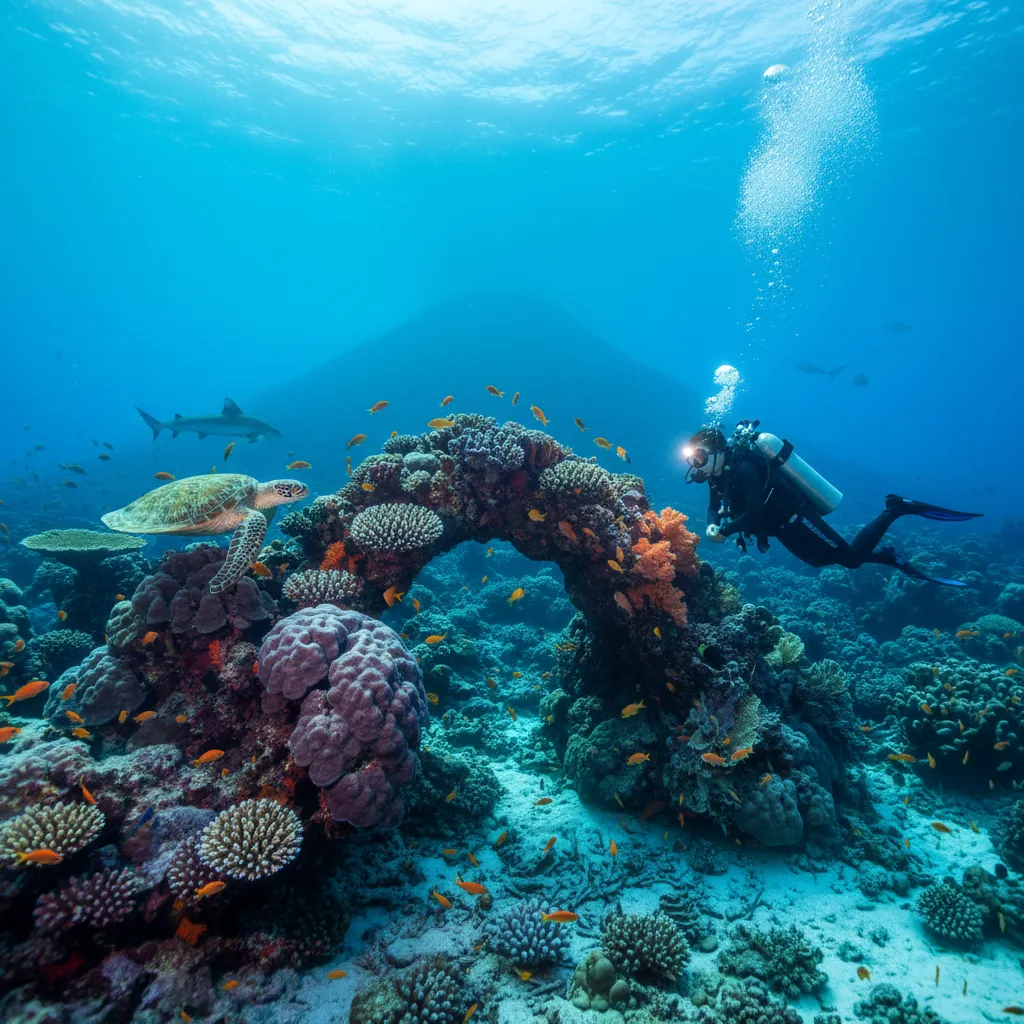
Pohnpei’s outer reefs are what we’re really here for. Think big, dramatic walls that drop into the deep blue, usually with a steady current that makes for some fantastic drift diving. We’ve had incredible encounters with reef sharks patrolling the drop-offs and mantas gliding by, especially on the west side of the island. The currents can pick up, so this isn't always a relaxing cruise, but that's often when the big pelagics show up. The interior dive sites are a different story, with some surprising finds. We’ve found little blennies peeking out of the coral and morays tucked into crevices. The coral itself is generally healthy, with some impressive staghorn formations and stony corals creating intricate structures. Visibility can vary, particularly after heavy rain, but out on the walls, it often stretches to 20 or 30 metres. We’d suggest focusing your dives on the outer reefs during the drier months for the best chance at pelagic action.
Yap
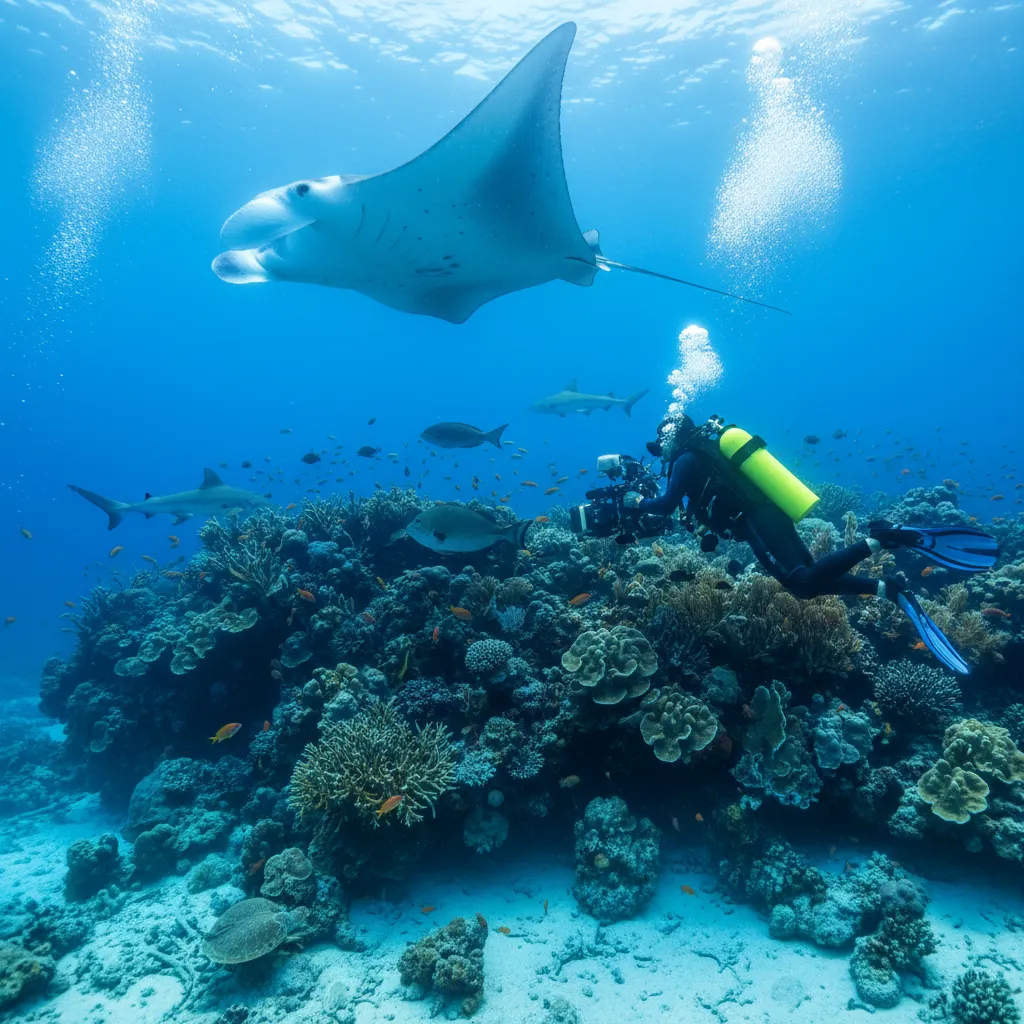
Yap. It’s a name that conjures images of stone money and mantas, and honestly, the mantas deliver. We love Yap for its commitment to these gentle giants; the dive operators here know exactly where and when to find them at the cleaning stations, making for almost guaranteed encounters. It’s not just the mantas, though. We’ve had some cracking drift dives along the walls, sharing the current with whitetip reef sharks and the occasional spotted grouper. What makes Yap a standout for us is that focused experience. You come here for the mantas, and you get them, often within touching distance at sites like M’il Channel. Beyond the mantas, look for the smaller stuff - leopard blennies are common, and we’ve spent happy safety stops spotting dwarf morays tucked into crevices. The visibility can be excellent, though the currents that bring in the mantas can also make for a proper workout. Our favourite time to visit is during the drier months, from November to May, when the water is typically calmer and the manta action feels particularly consistent. Just remember, these are wild animals, so always respect their space, even when they seem oblivious to yours.
Ocean Wildlife in Micronesia
452 species recorded in Micronesia
Micronesia Visa Requirements
Check if you need a visa to dive in Micronesia
Plan & book
Ways to dive Micronesia, from day trips to liveaboards.
Day trips & courses
via GetYourGuideGuided dives, courses and snorkel trips with instant booking.
Find dive trips in MicronesiaPlaces to stay
via Booking.comHotels and dive resorts near Micronesia.
Search stays in MicronesiaDive insurance
Most travel insurance excludes or limits scuba. Check what you need before you go.
Dive insurance explainedPartner links: we may earn a commission if you book, at no extra cost to you. How we make money