Diving in Papua New Guinea
Why dive here
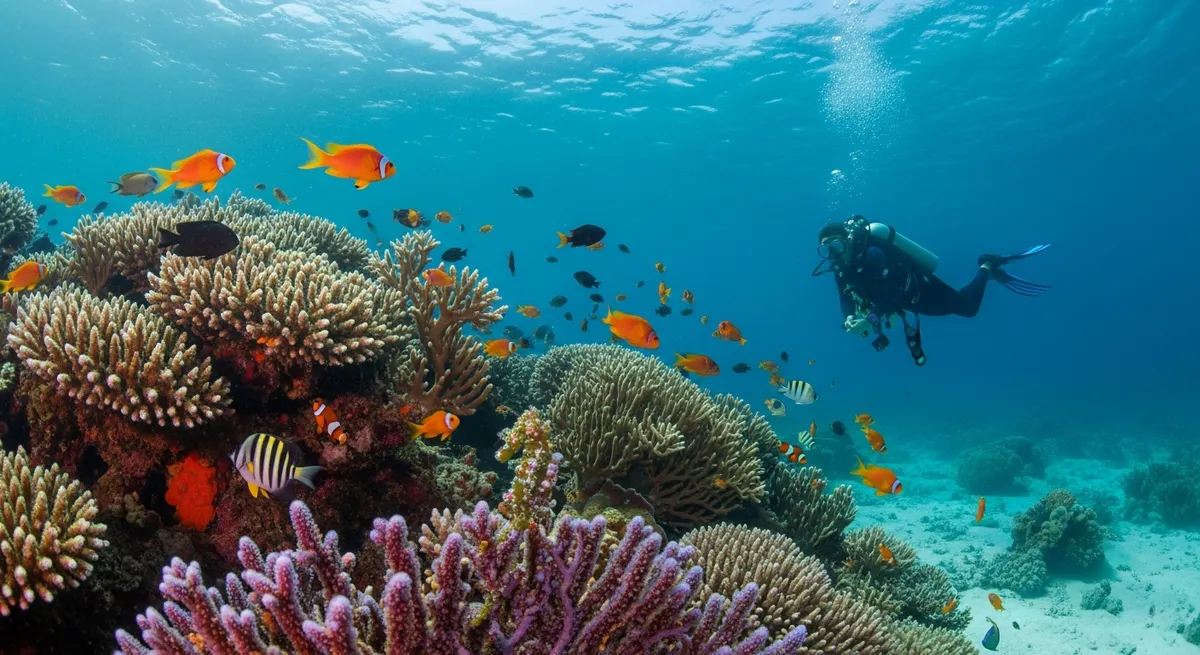
Papua New Guinea offers rich diving, with 513+ marine species recorded in its waters - including barracuda, blacktip reef sharks, blue-spotted stingrays, eagle rays and giant moray eels. Water sits around 31°C.
Papua New Guinea, it’s fair to say, isn’t for the casual diver. This is serious diving, a place where you earn your stripes and are rewarded with some truly unique encounters. We love Milne Bay for its muck diving, a weird and wonderful world of creatures like Rama Rao's scorpionfish and cone shell hermit crabs, often just a fin kick from shore. For vibrant reefs and bigger pelagics, Kimbe Bay and the Bismarck Sea deliver, sometimes with those big schools of fusiliers so thick they block the light. We usually aim for the drier months, roughly May to November, to dodge the worst of the rain, but honestly, PNG always brings the goods.
Papua New Guinea Dive Regions Map
Papua New Guinea Dive Regions
6 diving areas in Papua New Guinea
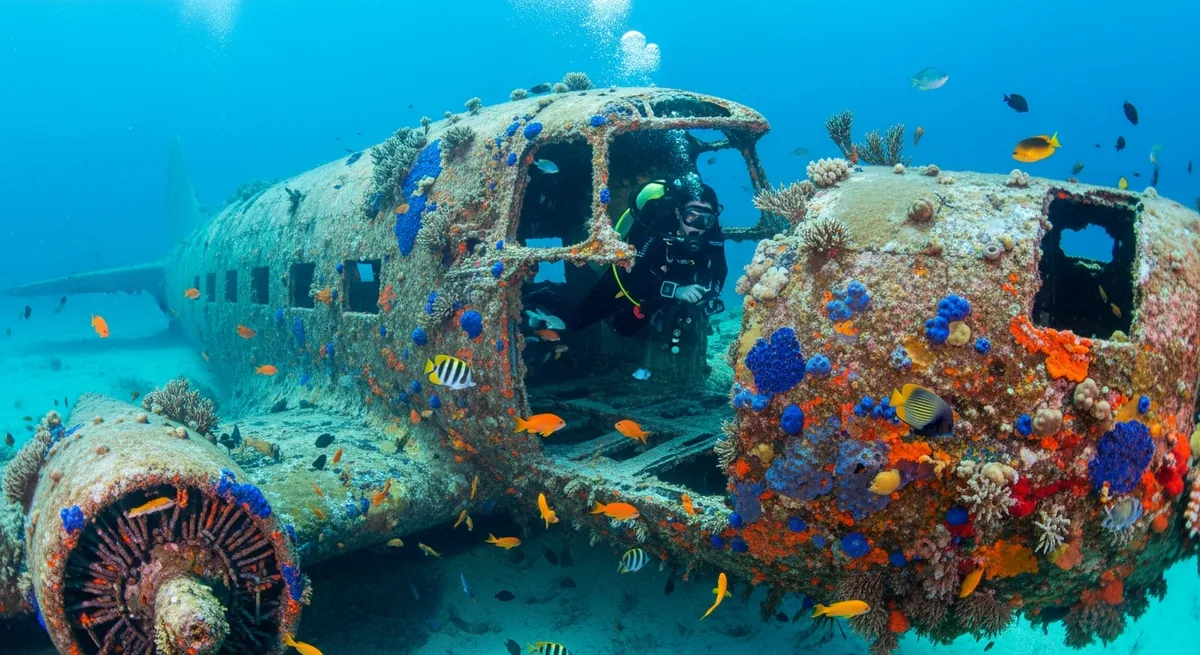
Kavieng
WWII wrecks and pristine channel dives off New Ireland. Current-swept passages bring pelagics while sheltered reefs offer macro opportunities.
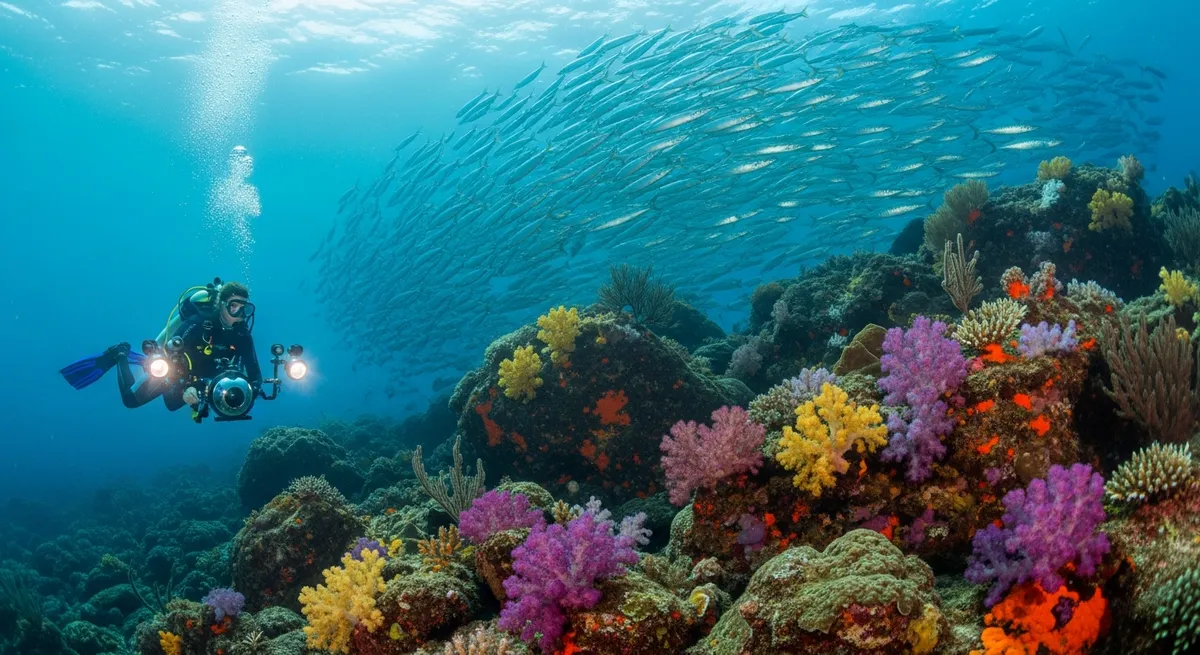
Kimbe Bay
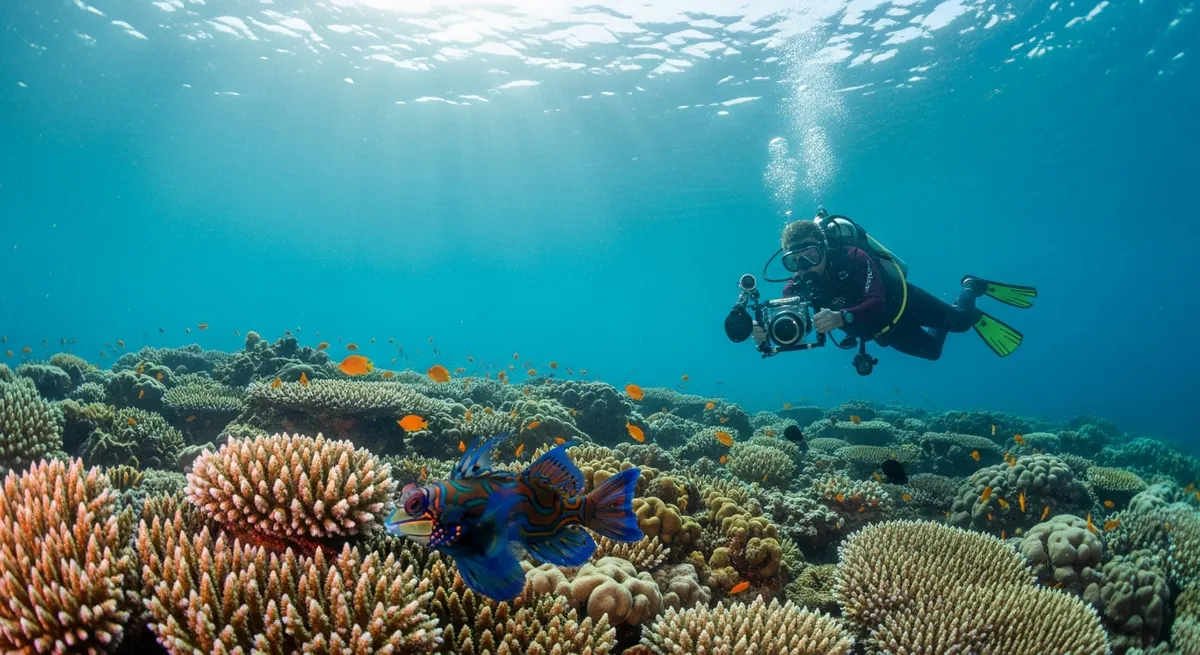
Kimbe Bay, for us, is one of those places that just gets under your skin. We love it because it’s a dive where you can truly relax and just soak it all in. The reefs here are sheltered, which means you’re not battling strong currents, and it’s a fantastic spot for spotting those smaller, often overlooked creatures. We’ve spent hours just drifting, watching Oriental flying gurnards fan their iridescent fins and trying to spot the elusive Sand-dusted Cone. Our favourite dives are often those quieter muck sites, where the real treasures hide. Keep an eye out for the adorable Polkadot Cod and the bizarre Snakehead Gudgeon - they’re masters of camouflage. The seamounts are a different vibe entirely, suddenly you’re in the blue, surrounded by schooling barracuda and trevally. The visibility is generally excellent, and the sheer density of fish, over 860 species, is remarkable. We’d suggest going in the dry season, roughly May to November, for the calmest surface conditions and the best chance of clear water. It’s not about grand pelagics every dive, but rather the cumulative effect of so much healthy reef life, from the tiniest Grammistes Blenny to the sprawling Staghorn corals.
Milne Bay
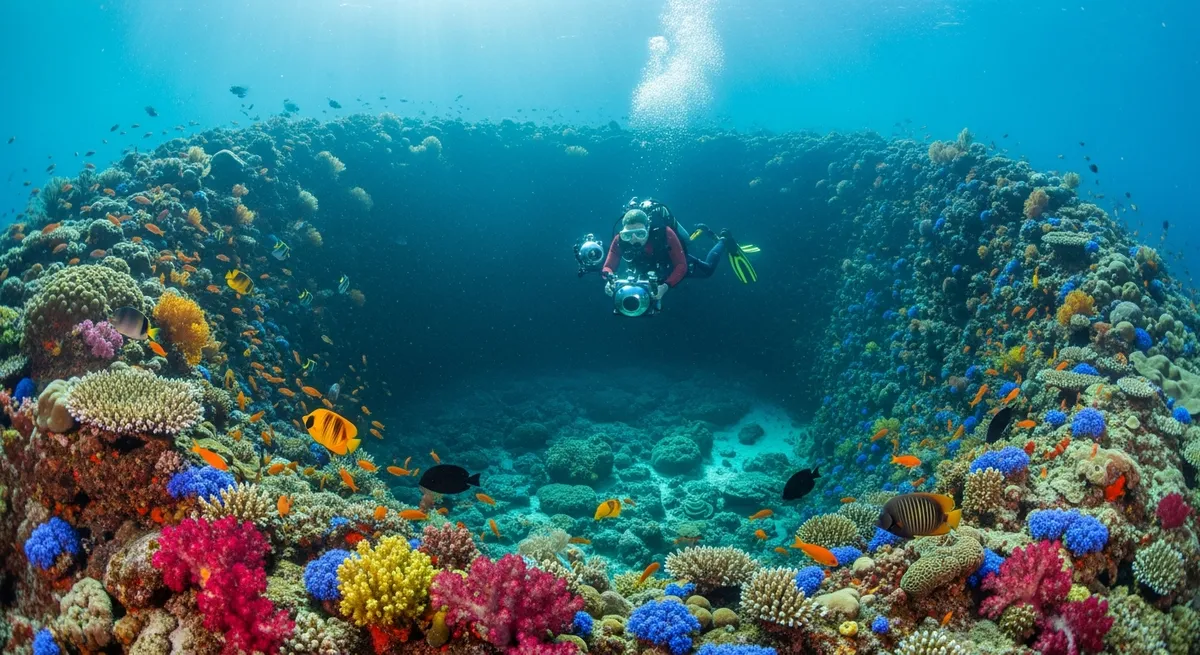
Milne Bay, it’s fair to say, is where we truly fell in love with Papua New Guinea. This place sets the bar for muck diving, a critter hunter's dream where you’ll find things you’ve only ever seen in books, if at all. We’re talking about the famous pygmy seahorses, yes, but also the hairy scorpionfish, the utterly captivating dwarf atomgoby, and the subtle beauty of a palebarred reefgoby. The beauty of Milne Bay is that it isn't *just* muck. We’ve spent mornings carefully scanning a black sand slope for rare nudibranchs, then jumped in for an afternoon on a vibrant pinnacle, surrounded by schools of fusiliers so thick they block the light. Our favourite dive here is often a wreck dive, WWII relics draped in soft corals, creating artificial reefs that teem with life. There’s a particular thrill to navigating the darkness of an old cargo hold, knowing you might spook a big-eye trevally lurking within. Current can be a factor, especially on the exposed pinnacles, but it’s rarely a problem for the boat crews here. Visibility averages 20 meters, though we've had days where it felt like 30, and others where a passing shower cut it down. Either way, the critters are still there.
Rabaul & New Britain
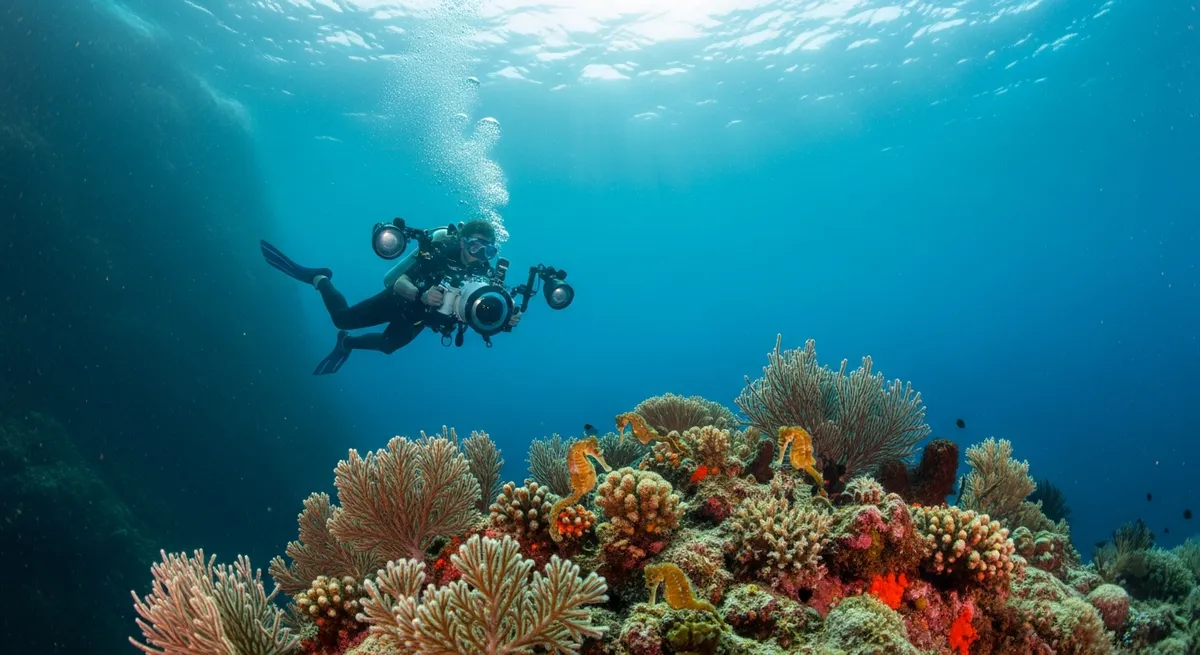
Rabaul is a place that truly grabs you, not just for the diving but for the raw power of nature shaping the landscape. We love the sheer drama of diving among WWII wrecks in a harbour framed by active volcanoes. The water around here often has a slightly eerie, silty feel, especially closer to the eruptions, which only adds to the atmosphere when you’re finning over a Japanese Zero. Our favourite dives blend history with marine life. Imagine a squadron of Blue and Gold Fusiliers streaming past the wing of a sunken bomber, or a Coral Hawkfish perched patiently on a corroded artillery piece. The wrecks aren't just metal husks; they're artificial reefs, home to Rivulated Parrotfish and the odd Blood-stained Frog Shell. We'd suggest aiming for the morning dives - the visibility tends to be at its best before any afternoon thermal layers stir things up. Current can be a factor on some of the deeper wreck sites, so good buoyancy control is a must, but it's rarely a raging torrent. Keep an eye out for those Fringelip Blennies, always a joy to watch darting around the coral.
Tufi
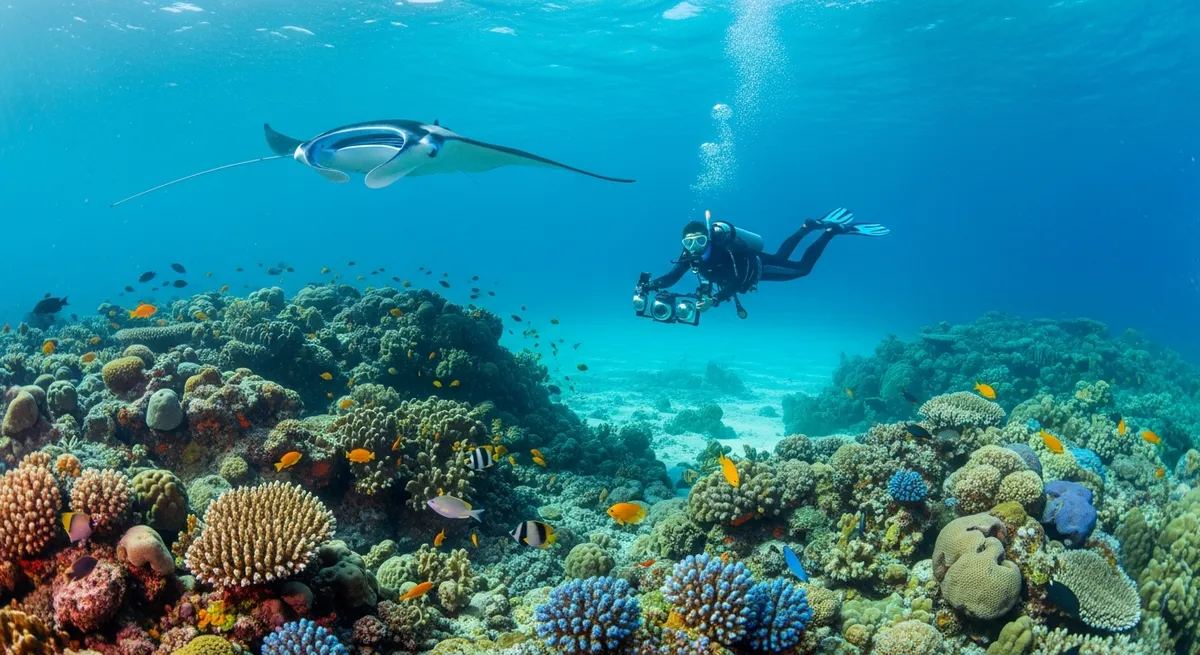
Dramatic fjords with black coral trees, pristine reefs, and WWII aircraft wrecks. A true frontier diving experience.
Witu Islands
Remote volcanic islands with walls, caves, and volcanic vents. Hot springs on the seabed and pristine reef ecosystems rarely visited by divers.
Ocean Wildlife in Papua New Guinea
513 species recorded in Papua New Guinea
Papua New Guinea Visa Requirements
Check if you need a visa to dive in Papua New Guinea
Plan & book
Ways to dive Papua New Guinea, from day trips to liveaboards.
Day trips & courses
via GetYourGuideGuided dives, courses and snorkel trips with instant booking.
Find dive trips in Papua New GuineaPlaces to stay
via Booking.comHotels and dive resorts near Papua New Guinea.
Search stays in Papua New GuineaDive insurance
Most travel insurance excludes or limits scuba. Check what you need before you go.
Dive insurance explainedPartner links: we may earn a commission if you book, at no extra cost to you. How we make money