
Diving in Japan
Why dive here
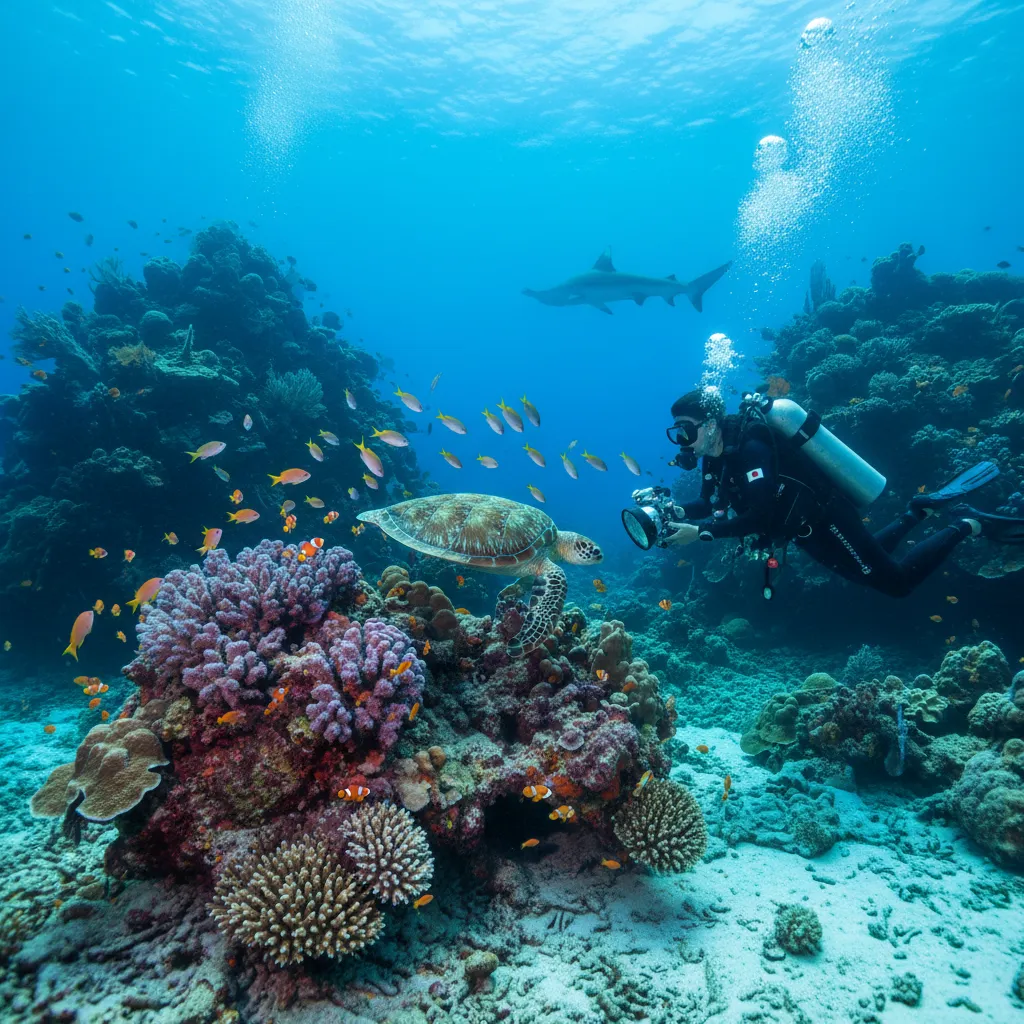
Japan offers rich diving, with 550+ marine species recorded in its waters - including barracuda, bull sharks, humpback whales, manta rays and mobula rays (devil rays). Water ranges 22-29°C, warmest July, August, September.
Japan isn't just one dive destination, it's a whole collection, each with its own personality. We've chased hammerheads off Yonaguni, drifted through coral gardens in the Keramas, and shivered slightly while admiring intricate nudibranchs in the Izu Peninsula's cooler waters. Our pick for sheer variety and those warmer temperatures would be Okinawa and the Yaeyama Islands; think manta rays at Ishigaki's Manta Scramble and the chance to spot humpbacks during winter. Timing really depends on what you're after, but summer and early autumn generally offer the calmest conditions across the board. If you're looking for something truly unique, consider the Ogasawara Islands for their pelagic action, though getting there is an adventure in itself.
Japan Dive Regions Map
Japan Dive Regions
5 diving areas in Japan
Ishigaki & Yaeyama
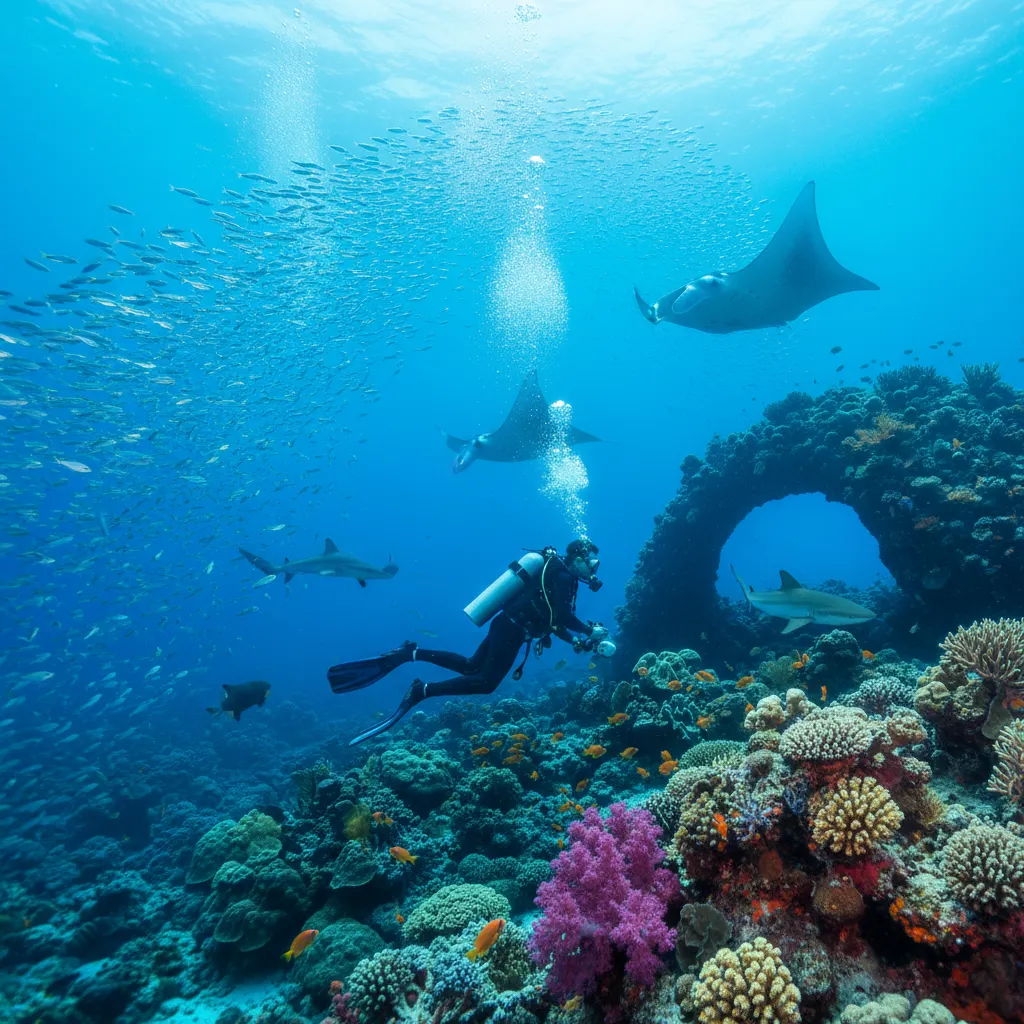
Ishigaki, and the Yaeyama islands beyond it, feel like Japan's answer to the South Pacific, but with a distinctly Japanese flavour. We love it for the sheer variety, from the dramatic drift dives to the surprisingly intricate coral gardens. Manta Scramble is the obvious draw, and for good reason; seeing these giants glide in during the spring to autumn months is a genuine thrill, sometimes so close you can hear the displacement of water as they pass. It’s a clean, open ocean experience. But look past the mantas, and you’ll find our favourite spots: the healthy hard coral fields. Montipora and brain corals here are just spectacular. We're talking vast, undulating landscapes of coral that feel ancient. Some of the caves are fantastic too, like going through a geological maze. Currents can be brisk on the deeper sites, so a bit of experience certainly helps, but there’s plenty for newer divers in the sheltered bays. We’d suggest going in late spring or early autumn to dodge the peak summer crowds and still catch good manta action.
Izu Peninsula
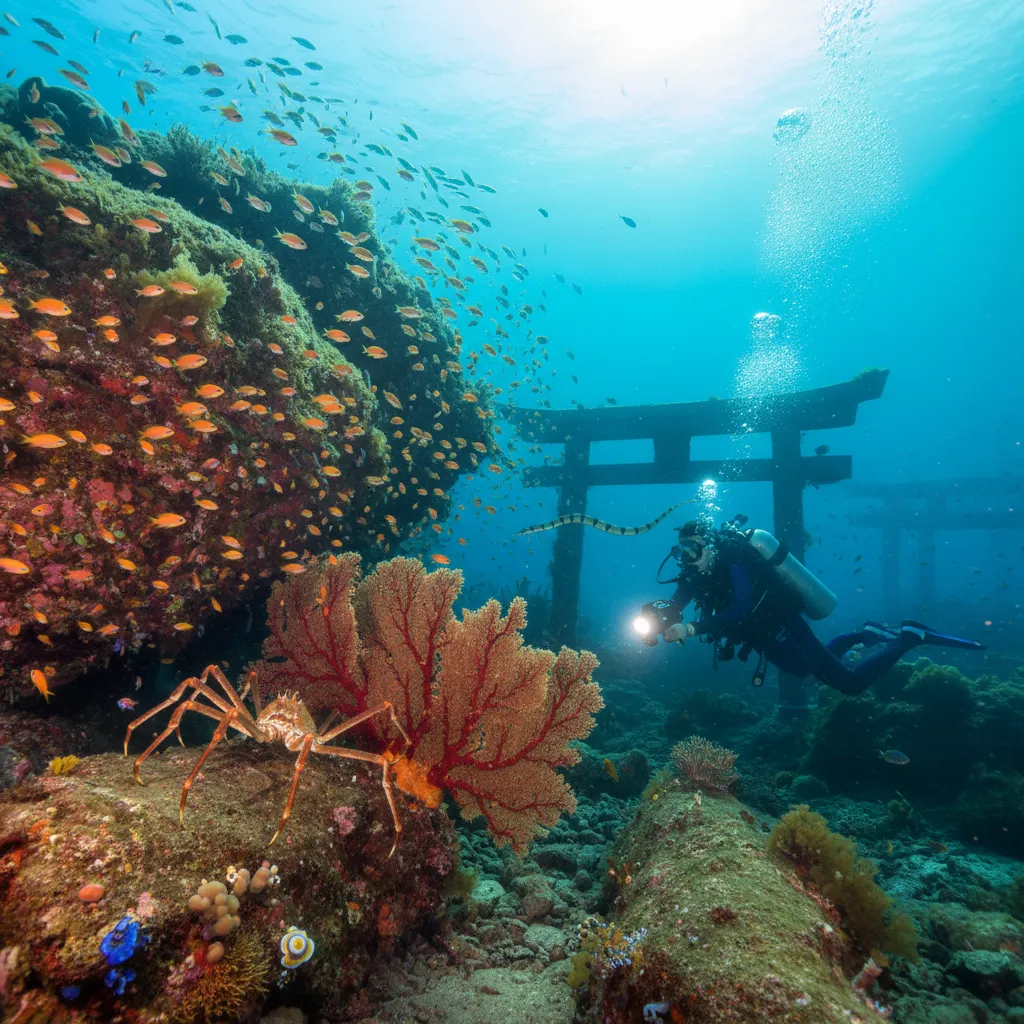
Izu Peninsula. Japan’s most accessible diving from Tokyo, and we love it for its wild diversity. Think dramatic volcanic seascapes, an astonishing variety of macro critters, and, if you hit it right, some serious pelagic action. The local dive scene here is robust, with over 100 dive centres spread across the peninsula, so finding a guide is never an issue. What we genuinely appreciate about Izu is its commitment to the small stuff. The muck diving rivals Southeast Asia for sheer strangeness, with bizarre bellows fish and bristlemouths hiding in the sandy bottoms. Our favourite sites often involve poking around rocky overhangs, spotting frogfish perfectly camouflaged against the volcanic rock. We’ve spent whole dives mesmerized by the frantic displays of a short-head sabretooth blenny. But don’t pigeonhole Izu as just a macro spot. Mikomoto Island, a bit of a boat ride from Shimoda, offers a completely different vibe. Strong currents here sweep in hammerhead aggregations seasonally, usually from late summer into autumn. It’s an exhilarating drift, not for the faint of heart, but the reward of seeing dozens of sharks materialise from the blue is something else. You can practically feel the current pushing you along, the water roaring in your ears. For a different thrill, some of the deeper sites can reveal rarer finds like halosaurs or snipe eels, if you have the patience and the gas. Overall, Izu is a fantastic option for anyone looking for something beyond the typical coral reef.
Kerama Islands
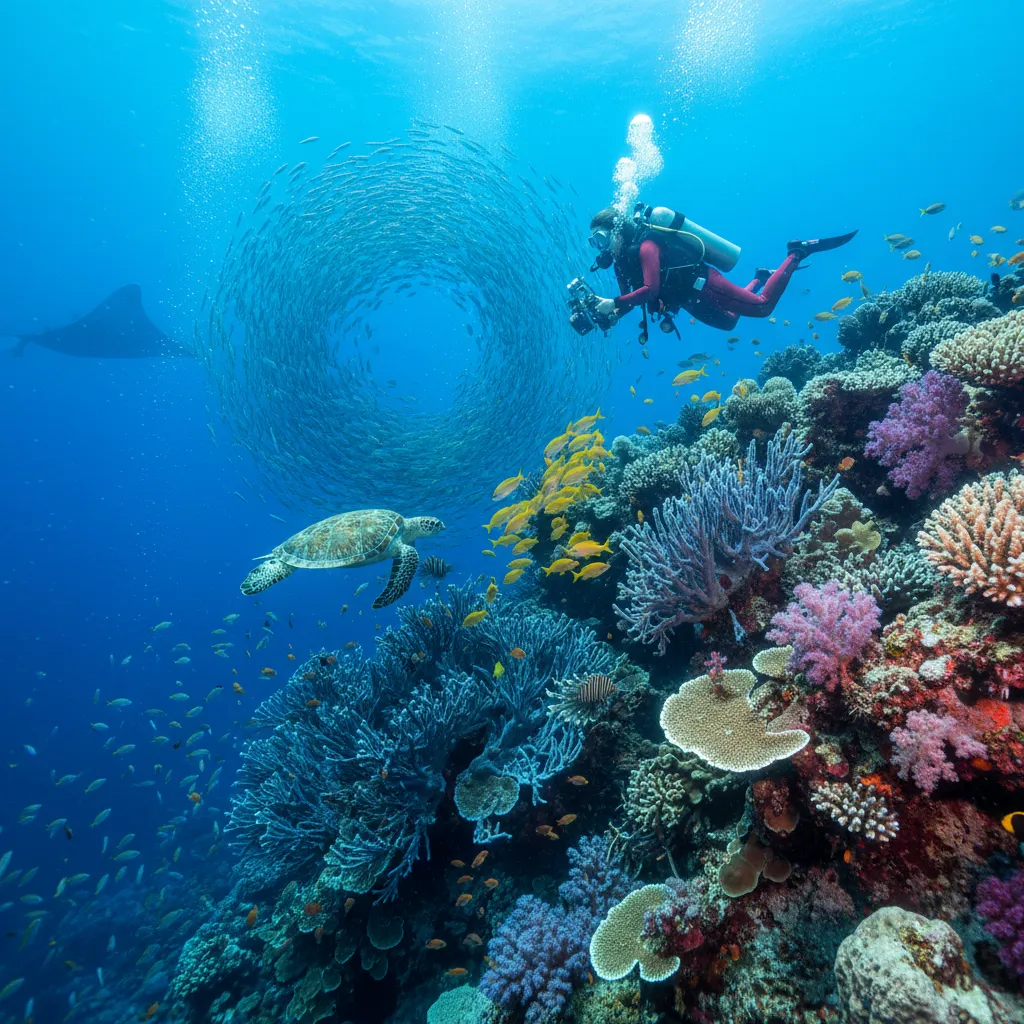
The Kerama Islands are a quick boat ride from Naha, but they feel a world away. We love the dramatic blue you get here, often 50 metres or more on a good day, earning it the nickname ‘Kerama Blue’. Our favourite sites are the pinnacles, where you’ll find schools of fusiliers so thick they sometimes block the light. Keep an eye out for green and hawksbill turtles gliding through the shallows. What makes Kerama special, beyond the visibility, is the sheer variety for an archipelago this size. You’ve got walls dropping into the abyss, intricate swim-throughs, and sandy patches perfect for macro hunting. We often spot barred blennies peeking from their holes and tiny orangefin ponyfish fluttering by. During winter months, between January and March, you might even hear the eerie song of humpback whales migrating through, a truly magical experience underwater. Dive early to avoid the crowds, especially at popular spots like Zambami, where the light plays beautifully through the overhangs.
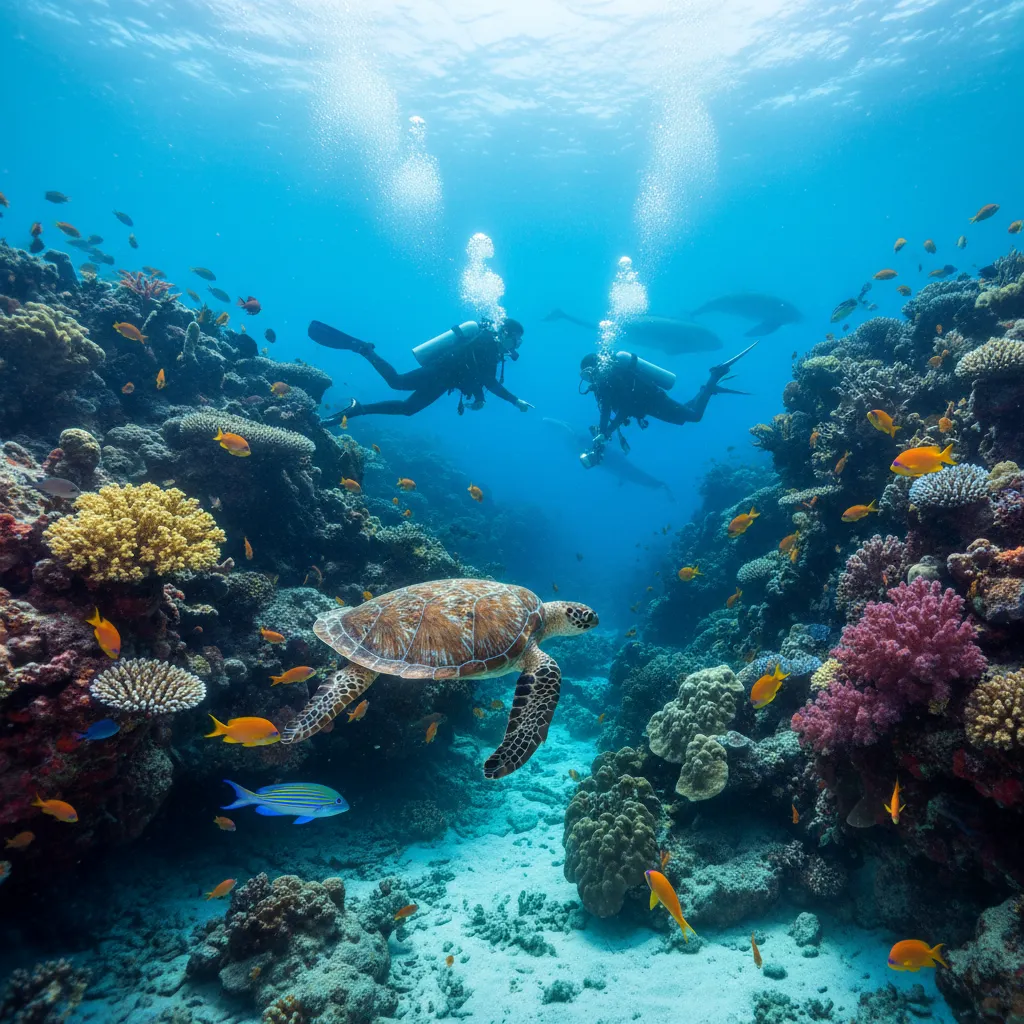
Ogasawara (Bonin) Islands
A UNESCO World Heritage site 1,000 km south of Tokyo, where dolphins, sharks, and humpback whales inhabit pristine volcanic waters.
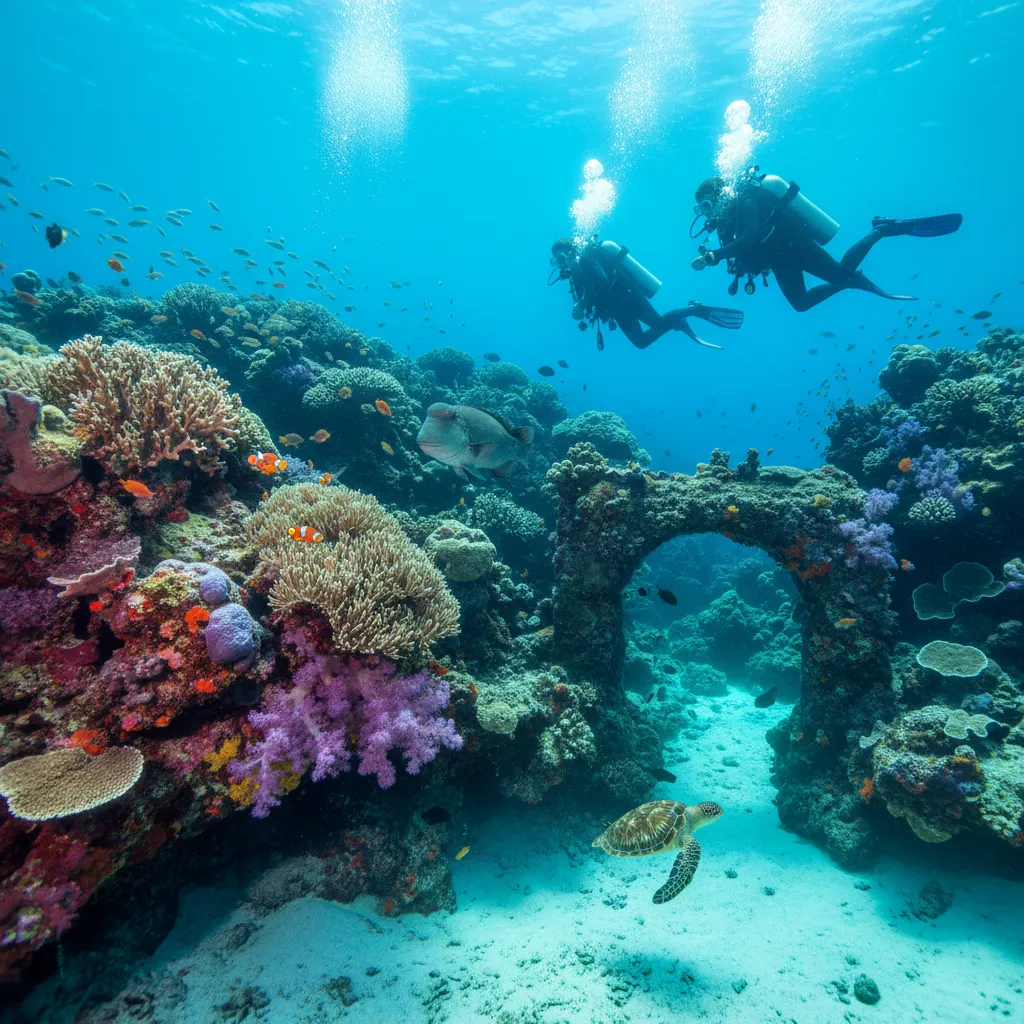
Okinawa Main Island
Okinawa Main Island might be Japan’s biggest tourist draw for diving, but it still delivers. We love how accessible everything is, from the shore entries at Manza Dream Hole to the short boat rides to pinnacles like Gorilla Chop. The water stays reliably warm, rarely dipping below 22°C, and on a good day, visibility stretches past 25 metres. You’ll find a solid mix here: healthy hard coral gardens, especially around the northern sites, and some genuinely interesting wrecks further south. The USS Emmons, for example, is a deep, humbling dive, usually with some current, but it’s an incredible piece of history. For something shallower, the Cape Manza area is fantastic; we’ve spent entire dives there just watching the resident blackfish and various hawkfish dart around the corals. Seasonal highlights include the schooling hammerheads further afield in winter, though for the Main Island itself, summer and autumn bring the calmest conditions and best chances for spotting turtles in the shallows. Just keep an eye on typhoon season warnings from July to October.
Ocean Wildlife in Japan
550 species recorded in Japan
Japan Visa Requirements
Check if you need a visa to dive in Japan
Plan & book
Ways to dive Japan, from day trips to liveaboards.
Day trips & courses
via GetYourGuideGuided dives, courses and snorkel trips with instant booking.
Find dive trips in JapanPlaces to stay
via Booking.comHotels and dive resorts near Japan.
Search stays in JapanDive insurance
Most travel insurance excludes or limits scuba. Check what you need before you go.
Dive insurance explainedPartner links: we may earn a commission if you book, at no extra cost to you. How we make money