Diving in Mozambique
Why dive here
Mozambique offers rich diving, with 461+ marine species recorded in its waters - including barracuda, blue sharks, blue-spotted stingrays, bull sharks and great white sharks. Water ranges 24-29°C, warmest January, February, March.
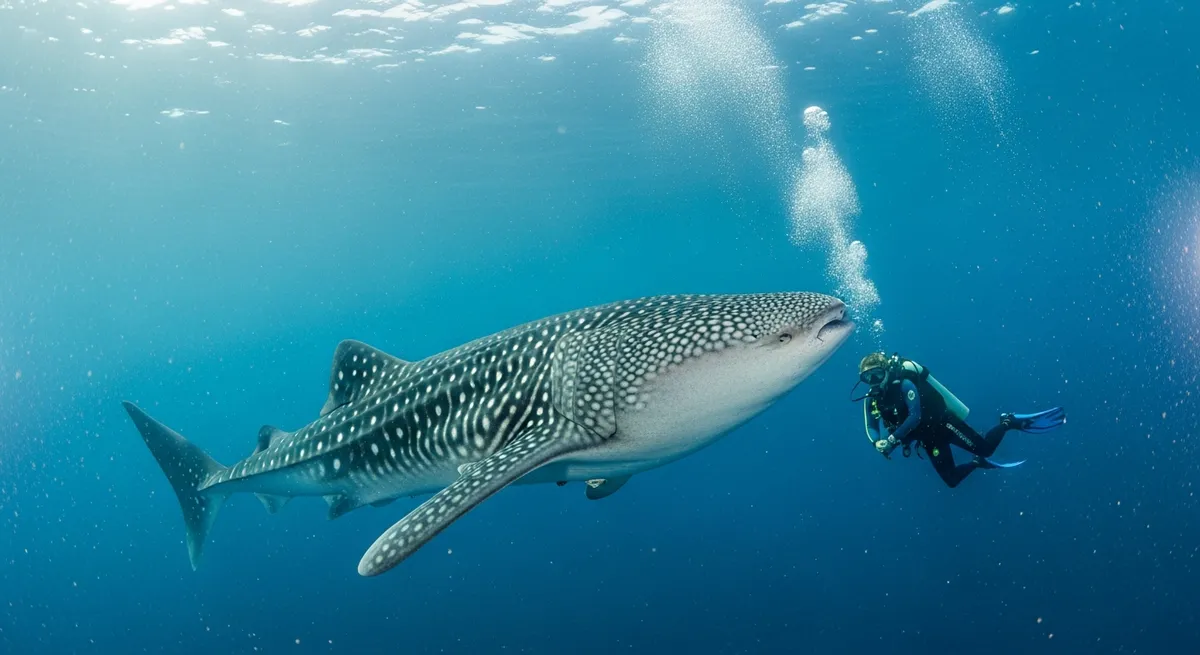
Mozambique throws up some proper surprises once you get in the water. We’ve found ourselves finning alongside whale sharks off Tofo more times than we can count, especially from October to March when they seem to cruise by with regularity. That whole Inhambane province, Tofo specifically, also reliably delivers manta rays gliding over cleaning stations. Further north, the Bazaruto Archipelago keeps things interesting with its robust reef systems and a good chance of spotting dugongs, though the Quirimbas Archipelago takes a bit more effort to reach. Expect strong currents in places and visibility that can drop after heavy rains, but the reward is often big pelagics and lively, relatively untouched coral. For us, Mozambique’s allure isn’t just the big stuff, it’s the sheer wildness of the place.
Mozambique Dive Regions Map
Mozambique Dive Regions
4 diving areas in Mozambique
Bazaruto Archipelago
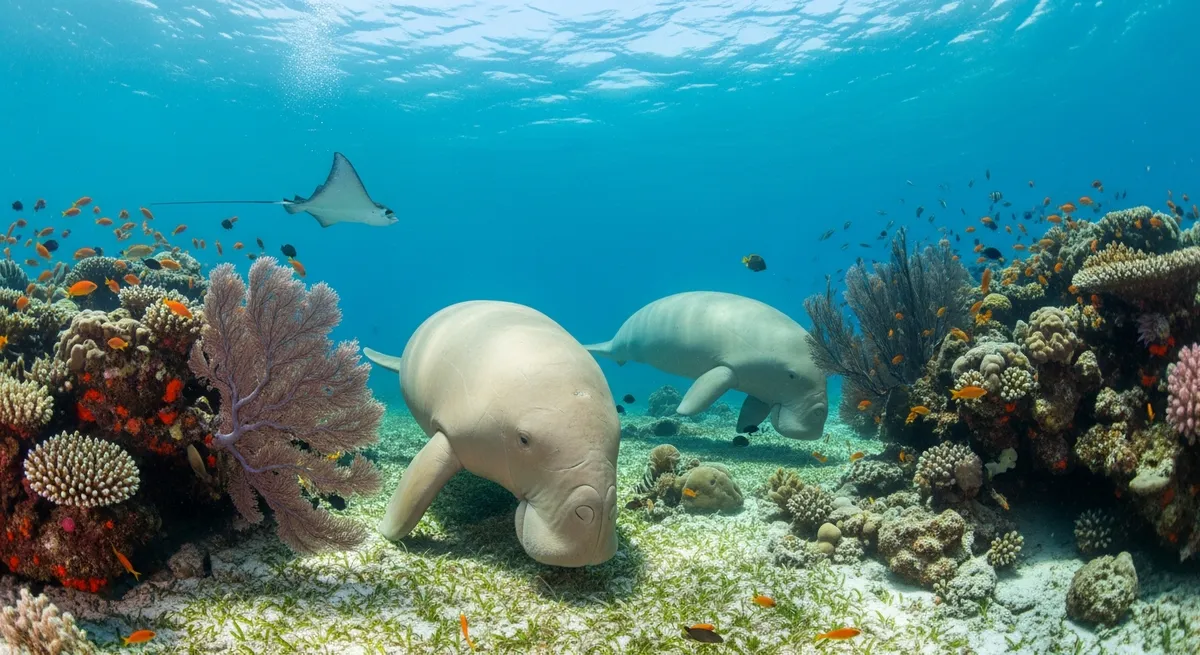
Bazaruto feels wild, a proper expedition. We love the sheer scale of the reefs here; they just stretch on. You’ll drift past enormous bommies, home to shoals of fusiliers so thick they block the light, then drop into canyons where the current picks up. Our favourite sites are further out, places like Two Mile Reef, where the coral formations are massive and the chances of seeing something big, like a Bull Shark, really climb. The dugongs are, of course, a huge draw, and spotting one of those gentle giants grazing in the seagrass beds is pure magic - a quiet, surreal encounter. We’d suggest going early in the morning for the best chance, before the boat traffic picks up. Visibility here can vary, but on a good day, it’s 25 metres plus, that clear, warm Indian Ocean water. The currents can be serious, particularly on the outer reefs, so this isn't a place for absolute beginners. We often find ourselves just hanging in the blue, watching eagle rays glide past, or keeping an eye out for a Boxer Snipe Eel tucked into a crevice. It’s rugged, remote, and absolutely worth the journey.
Ponta d'Ouro
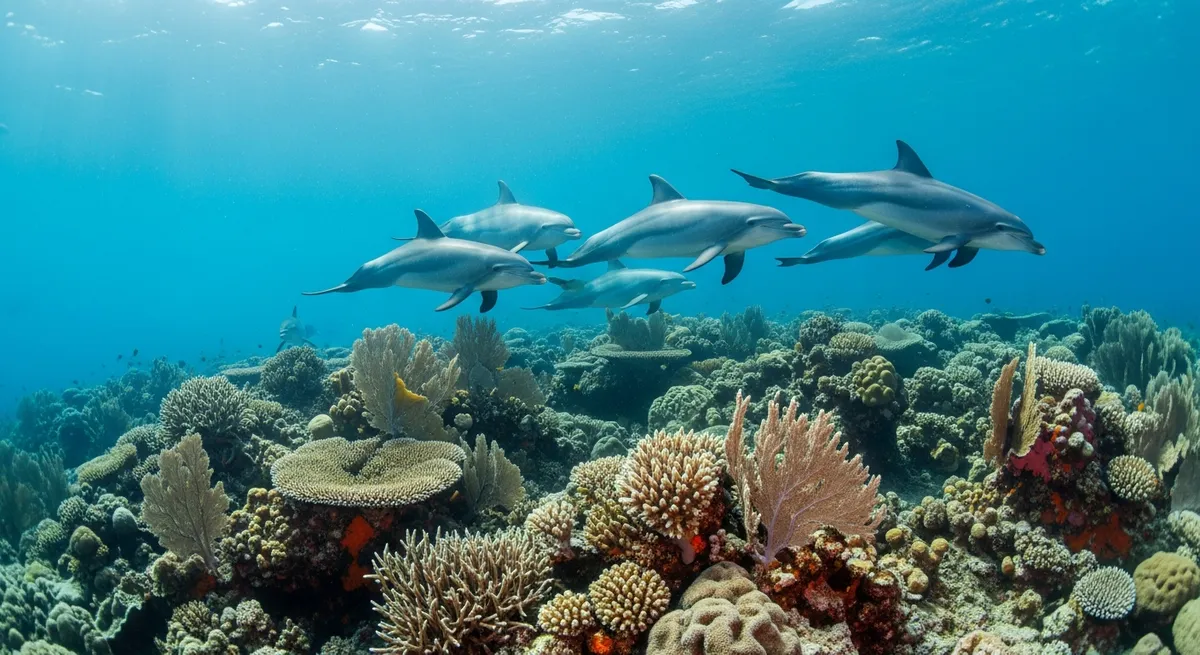
Near the South African border with reef diving, dolphin encounters, and seasonal whale shark and manta ray visits.
Quirimbas Archipelago
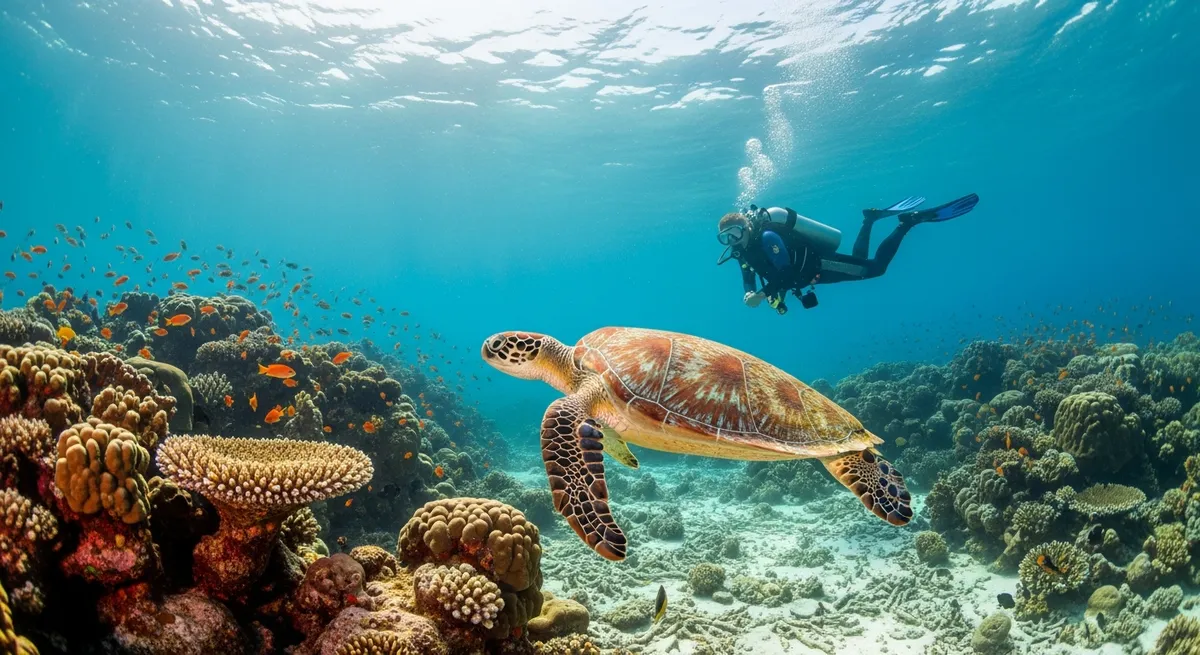
Northern Mozambique feels like the edge of the world, and the Quirimbas Archipelago captures that remoteness perfectly. We love it because it’s still relatively untouched, a true expedition into an ecosystem that hasn't seen much traffic. Picture yourself dropping onto pinnacles draped in enormous gorgonian fans, so wide they ripple in the current like giant purple sails. You’ll spot unusual corals here, like the ridged plates of wrinkle coral and delicate Chinese lettuce coral, alongside thickets of staghorn. Keep an eye out for bluestripe pipefish darting through the seagrass beds of thalassia. The reef drops to 30 meters in places, revealing checkerboard wrasse and the occasional orange-lined triggerfish. Tuna and jacks often zip past in hunting formations. The real draw for us, though, is the humpback whale season. From July to October, you’ll hear their songs underwater, a haunting chorus that vibrates through your chest, and sometimes you’ll even see them breaching at the surface. Currents can pick up, so be prepared for a drift, but the visibility usually stays good, around 20 meters. It’s not a bustling dive scene; with only one dive centre, you often have the sites all to yourself.
Tofo & Inhambane
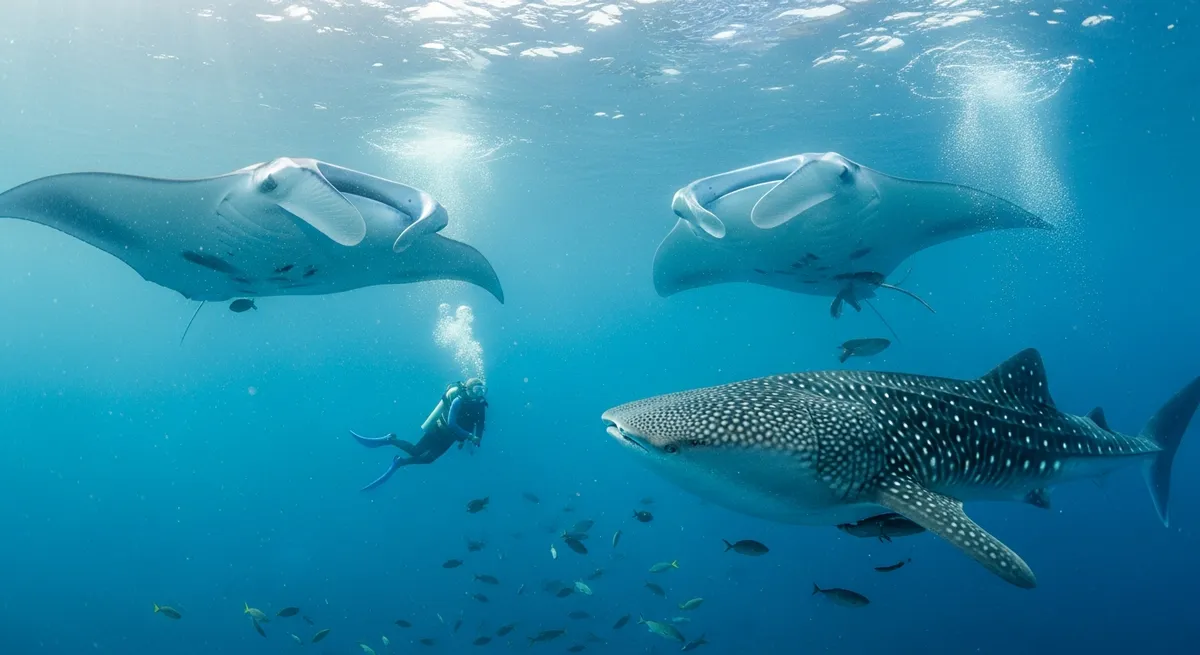
Tofo, and its quieter neighbour Inhambane, offers a different kind of dive experience. It’s not about finding a new species on every dive; it’s about the big stuff, and the powerful feeling of being in a truly wild ocean. We've spent weeks here, chasing the dream of close encounters. The visibility can be temperamental, swinging from 5 to 25 metres depending on the plankton blooms, but those blooms are exactly what draws in the headline acts. We love the raw energy of the open ocean sites. Drift dives are common, propelled along by a current that feeds the entire ecosystem. We’ve had incredible luck with whale sharks and manta rays here, especially during the warmer months from November to April when the water hits a comfortable 27°C. The humpback whale season, June to October, is another standout, with their songs sometimes audible underwater. Sure, you’ll spot Checkerboard wrasse zipping around, and some healthy Staghorn coral, but our favourite dives are those where you just hang, eyes wide, waiting for a shadow to emerge from the blue. It’s an intermediate diver’s playground, best suited for those comfortable with strong currents and open-water ascents.
Ocean Wildlife in Mozambique
461 species recorded in Mozambique
Mozambique Visa Requirements
Check if you need a visa to dive in Mozambique
Plan & book
Ways to dive Mozambique, from day trips to liveaboards.
Day trips & courses
via GetYourGuideGuided dives, courses and snorkel trips with instant booking.
Find dive trips in MozambiquePlaces to stay
via Booking.comHotels and dive resorts near Mozambique.
Search stays in MozambiqueDive insurance
Most travel insurance excludes or limits scuba. Check what you need before you go.
Dive insurance explainedPartner links: we may earn a commission if you book, at no extra cost to you. How we make money